
 In your quote
In compare
Equipment for Electricians
11102 products
Electricians install domestic and industrial electrical systems, on building sites and in existing buildings. This collection is very broad and includes tools, fixings, electrical materials and site power supply.
What you will find in this collection
- Portable and trolley-mounted generating sets
- Site electrical equipment: plugs, sockets, cables and extension leads
- Domestic electrical materials
- Wall plugs and fixings, light and heavy duty
- Hand tightening tools, screwdrivers and socket wrenches
- Drill bits for granite, masonry and concrete
- Hole saws and hole cutters
- Impact drills, drivers and rotary hammers
- Organisers and tool trays
How to choose
- Choose drill bits and wall plugs according to the substrate in which you need to fix conduits and boxes.
- For the site, prefer extension leads and sockets suitable for outdoor use.
- Keep your tools in organisers and trays, so you can move between rooms without losing parts.
For a quote or advice on making the right choice, write to or call AMES technicians: they will help you find the items suited to your work.
Active filters:
Products in this collection
In your quote
In compare
 In your quote
In compare
 In your quote
In compare
 In your quote
In compare
 In your quote
In compare
 In your quote
In compare
 In your quote
In compare
 In your quote
In compare
 In your quote
In compare
 In your quote
In compare
 In your quote
In compare
 In your quote
In compare
 In your quote
In compare
 In your quote
In compare
 In your quote
In compare
 In your quote
In compare
 In your quote
In compare
 In your quote
In compare
 In your quote
In compare
 In your quote
In compare
 In your quote
In compare
 In your quote
In compare
 In your quote
In compare
Svelt
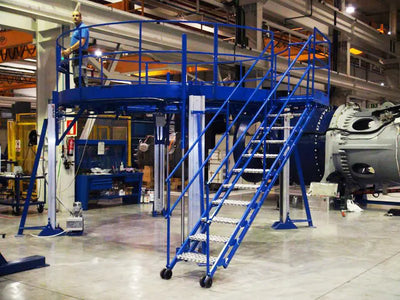
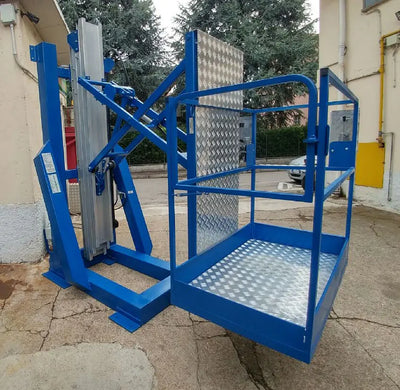
Made-to-measure electro-hydraulic or mechanical lifting platform Svelt
Code piattaforme-elettroidrauliche-o-meccaniche
Frequently asked questions: Equipment for Electricians
Which dielectric ladder should I choose for working on electrical installations?
The dielectric ladder is made of fibreglass, a material that does not conduct electricity, and is chosen from a single-section, extension or double-section ladder according to the working height. The extension model lets you extend the height, the double-section one opens out and lets you work with more stability. Portable ladders must comply with EN 131 and be checked before every use.
How do I recognise an insulated tool for electrical work?
An insulated tool for electrical work carries the test voltage marking, such as 1000 V, and the metal parts are protected by an insulating coating right up to the tip. EN 60900 covers hand tools for live working up to 1000 V AC. An unmarked screwdriver must not be used on live installations, even if it looks sturdy.
Which site sockets and extension leads should I choose to power tools?
Site extension leads are chosen according to the power of the tools and the cable length, because long, thin cables cause voltage drops. For outdoor use you need a suitable IP protection rating, shown on the socket box. Avoid winding the cable completely when it is in use, because it heats up, and always unwind the lead fully before connecting equipment.
Which drill bits should I use with a hammer drill for masonry and concrete?
For masonry and concrete you need carbide-tipped bits, designed to withstand the stresses of hammering. For granite, specific bits are used, tougher than ordinary steel. The diameter of the bit must match that of the intended wall plug, and the hole should be drilled straight and at a speed suited to the material, without forcing the tool.
How do I choose the wall plug for fixing an object to a wall?
The wall plug is chosen according to the weight to be supported, the wall material, which may be solid, hollow or concrete, and the screw length. For light loads, light expansion plugs are enough, while heavy loads need heavy-duty or chemical anchors. Always drill to the diameter indicated by the plug manufacturer and clean the dust out of the hole before inserting the plug.
What does a cordless drill driver and angle grinder kit include?
The kit combines several tools from the same range, with batteries interchangeable between them, such as the two 2 Ah batteries stated in the title. Shared batteries save you buying separate power supplies for each tool and let you always keep a charged pack on hand. Before buying, check that the kit includes the battery charger, because it is not always included in the pack.
How do I protect an outdoor electrical socket from flooding?
The stainless steel anti-flood socket cover is fitted over the outdoor socket to protect it from water and rain. It is chosen according to the shape of the plate, round, square or rectangular, and the socket installed. The socket cover must close properly and be checked periodically to make sure the seal is not damaged.