
 In your quote
In compare
Equipment for Solar PV Installers
577 products
Solar PV installers fix structures and mounts, lay cables and work with electric and cordless tools, often at height. This collection brings together what is needed for these operations, from brands such as Fischer, DeWalt, Milwaukee, Stanley and Unifix.
What you will find in this collection
- Batteries and cells
- Batteries and chargers for cordless tools
- Wall brackets and steelwork for fixing
- Impact drivers with hex shank
- Cable protection systems (cable protectors)
- Accessories and spare parts for power tools
- VDE 1000V equipment: insulated tools for electrical systems
How to choose
- Batteries: choose those from the same platform as the tools you already use, so that you can swap them.
- Fixings: check the weight to be supported and the type of substrate before choosing brackets and mounts.
- Cables: protect them with suitable cable protectors, especially at crossing points and where they rest on surfaces.
- Work on the system: for work on electrical parts, use insulated tools.
To choose the right models, quantities and compatibility for your work, request a quote: AMES technicians will help you find the right solution.
Active filters:
Products in this collection
In your quote
In compare
 In your quote
In compare
 In your quote
In compare
 In your quote
In compare
 In your quote
In compare
 In your quote
In compare
 In your quote
In compare
 In your quote
In compare
 In your quote
In compare
 In your quote
In compare
 In your quote
In compare
 In your quote
In compare
 In your quote
In compare
 In your quote
In compare
 In your quote
In compare
 In your quote
In compare
 In your quote
In compare
 In your quote
In compare
 In your quote
In compare
 In your quote
In compare
 In your quote
In compare
 In your quote
In compare
 In your quote
In compare
 In your quote
In compare
Frequently asked questions: Equipment for Solar PV Installers
Which mount should I choose for panels on a flat or pitched roof?
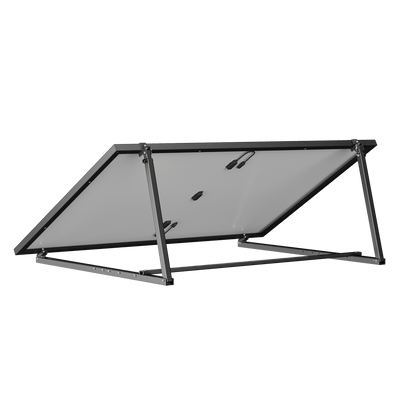
A flat-roof mount uses ballast or anchoring different from that of a pitched-roof mount, which is fixed to the roof slopes. Choose the model according to the roof covering, the power of the panels, such as 400, 450 or 520 W in these kits, and the load the roof can bear. Check the total weight with the designer.
Which bracket should I choose for solar panels on a balcony or facade?
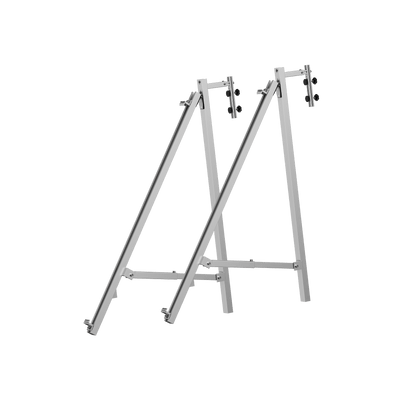
For balconies with railings there are dedicated brackets, while facade mounts have adjustable tilt. Choose the type according to where you fix the panel and its power, for example 250 W in the lightweight models. Check that the railing or masonry can bear the load and use the fixings indicated by the manufacturer.
How do you anchor a solar panel on the ground or on a raised frame?
Adjustable brackets for ground-mounted panels let you choose the tilt according to the latitude and the shading of the site. Fixing to the ground requires a stable base, with anchors or pegs sized for the wind loads of the area. Installation should be done with the help of a second person.
What is an earth rod used for?
The hot-dip galvanised steel earth rod disperses fault currents into the ground and contributes to protecting the electrical system. The length and installation depend on the soil and the measured resistance. Sizing must be done in accordance with the regulations for electrical installations, by a qualified technician.
Which batteries and tools do I need for assembling structures at height?
Impact drivers with hex shank and tool batteries make it easier to drive screws and bolts on the structures. Choose the battery voltage according to the tool and bring a spare battery for long jobs. For work at height you also need fall-protection PPE (personal protective equipment), in accordance with Italian Legislative Decree 81/2008 on workplace safety.
Which VDE 1000 V equipment do I need for working on electrical systems?
Tools marked VDE 1000 V are insulated for working on electrical systems up to 1000 V. The insulation must be intact, so before use check that there are no cracks or exposed parts. The tools do not replace electrical safety procedures, which remain the responsibility of the operator.
Which power station should I choose to power tools on site?
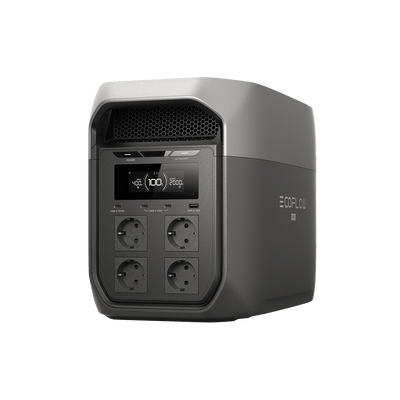
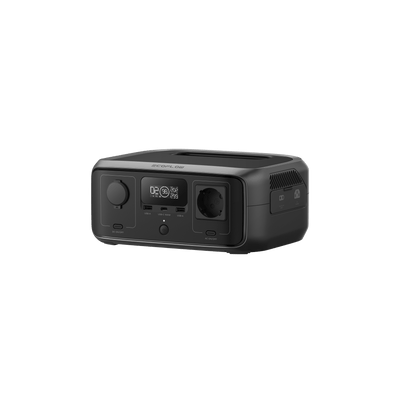
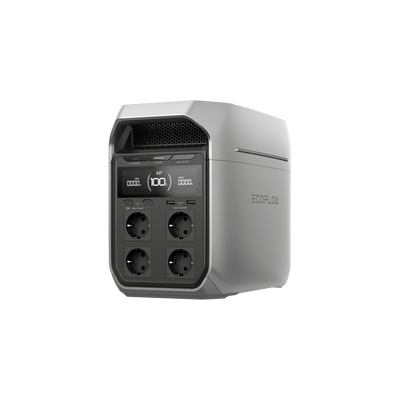
The DELTA 3 Max at 2048 Wh and the DELTA 3 at 1024 Wh differ in capacity and run time. Compare the power of the tools to be powered with the maximum output power of the power station. A larger capacity lasts longer, but the weight of the device increases accordingly.
Who uses these kits and accessories, and for what jobs?
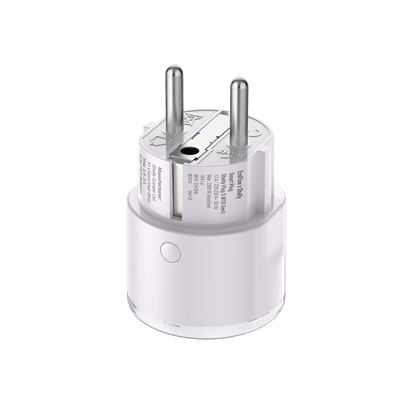
They are used by PV installers to install panels on roofs, balconies, facades and ground, together with cables and cable glands. Those who install systems for homes and small businesses use them extensively. Smart plugs and monitoring accessories are used to track the consumption of the system.