
 In your quote
In compare
Manual Cleaning Equipment
682 products · Cleaning Machines
Manual cleaning tools are used to keep building sites, workshops, warehouses and utility rooms tidy without resorting to machines. In this collection you will find everything that is held and pushed by hand: brooms, brushes, mops, squeegees, handles and cleaning trolleys.
What you will find in the collection
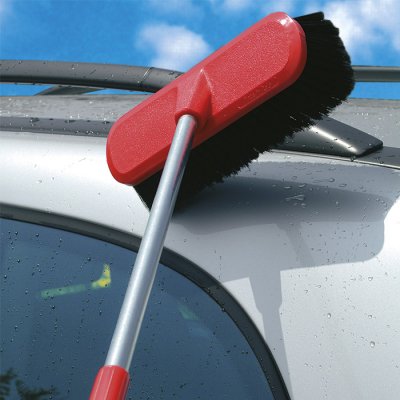
- Brooms and brushes: corn brooms, steel or brass wire brushes for rough cleaning, magnetic sweepers for picking up screws and nails.
- Mops and cloths: pocket frames, mop kits and microfibre mops, cloths for floor scrubbing brushes.
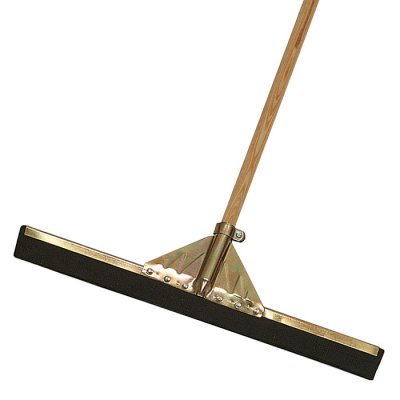
- Squeegees and scrapers: for glass, smooth surfaces and small encrustations.
- Handles and grips: for fitting brooms, frames and accessories.
- Trolleys and buckets: cleaning trolleys and buckets with wringer.
How to choose
Start from the surface and the soiling: wire bristles for rust and hard residues, soft bristles or microfibre for floors and glass. Check that handles and frames are compatible with each other and choose the right length to avoid working bent over. For jobs across several rooms, a trolley with a bucket reduces the number of trips.
Tell us what you need to clean and in what quantities: AMES will prepare a tailored quote, because it works on request only.
Active filters:
Products in this collection
In your quote
In compare
 In your quote
In compare
 In your quote
In compare
 In your quote
In compare
 In your quote
In compare
 In your quote
In compare
 In your quote
In compare
 In your quote
In compare
 In your quote
In compare
 In your quote
In compare
 In your quote
In compare
 In your quote
In compare
 In your quote
In compare
Sea Technology
Cloth holder frame for microfibre and antistatic floor cloths Sea Technology
Code spazzola-porta-panni
 In your quote
In compare
 In your quote
In compare
 In your quote
In compare
 In your quote
In compare
 In your quote
In compare
 In your quote
In compare
 In your quote
In compare
 In your quote
In compare
 In your quote
In compare
 In your quote
In compare
 In your quote
In compare
Frequently asked questions: Manual Cleaning Equipment
Which broom should I choose for a workshop and a construction site?
For a construction site or workshop, choose an industrial broom in plastic or wood, with sturdy bristles that withstand shavings, sand and heavy debris. Lighter brooms, such as those in broom corn, suit interior floors that are already clean. Choose the bristles by surface: stiffer for rough floors, softer for smooth ones. Choose the handle according to the intended use.
Which brush should I use for caked-on dirt, and which for delicate surfaces?
To loosen caked-on dirt on concrete floors or metal surfaces, use brushes with steel or brass wire. On delicate surfaces such as marble, wood or plastic, use a brush with nylon or horsehair bristles. Wet-scrub brushes with reinforced horsehair are designed for washing with water. Do not use wire brushes on painted or polished surfaces, as they will scratch them.
Which mop should I choose for frequent cleaning with little product?
A pocket-frame mop takes replaceable microfibre pads and works well for frequent washing with a small amount of detergent. A complete mop kit is useful when cleaning several times a day, as the pad can be replaced without touching the dirt. For microfibre, wash the pads without fabric softener, which reduces their ability to hold dirt.
Which squeegee should I use for windows and high glazing?
For windows and glazing use a squeegee with a rubber blade and handle, pulled from top to bottom after wetting the surface. The telescopic model, extending from 1.30 to 2.10 metres, reaches high glass without ladders, but safety at height must be assessed carefully. Clean the blade often, otherwise it leaves streaks on the glass.
Which tools do you need for gutters, drains and debris collection?
For gutters and drains use shovels and perforated scoops, which trap debris and let water drain. The tempered steel scraper removes dried mud and build-up from floors. For collecting dust and residue in a workshop, use the dustpan with a painted steel handle, combined with a broom suited to the surface.
Which telescopic handle should I choose for brooms and brushes?
A telescopic handle in painted metal, adjustable from 84 to 150 centimetres, lets you reach low ceilings and corners without bending. Choose the length according to the height of the surface and the user, as an overly long handle is hard to control. Always lock the adjustment before use, to prevent the handle from slipping during work.
What precautions are needed with cleaning tools used at height or near drains?
Cleaning gutters, high windows or drains requires care. Use compliant ladders, never placed on unstable surfaces, and work at height only with the protections required by D.Lgs. 81/2008 (Italian Legislative Decree 81/2008 on workplace safety). Near drains, mark off the area and do not lean beyond the edge. Tools with metal handles must not come close to overhead power lines.