
 In your quote
In compare
Painting Equipment and Surface Treatment Tools
183 products · Paints and Coatings
Painting well means preparing the surface, protecting whatever is not to be coloured and applying the paint with the right tool. This collection brings together painting and surface treatment equipment, from the brush to the small powder coating system.
What you will find in the collection
- Brushes, large brushes and flat brushes for edges and wide surfaces.
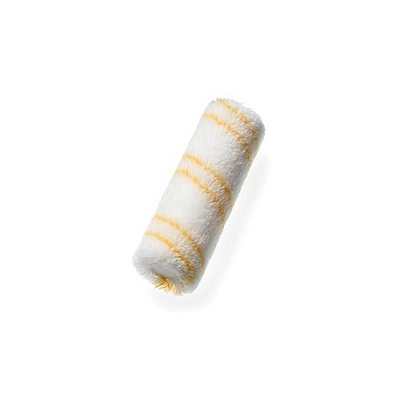
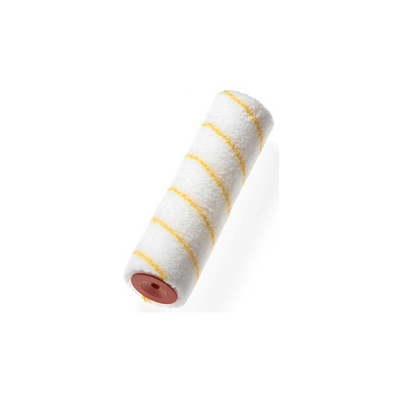
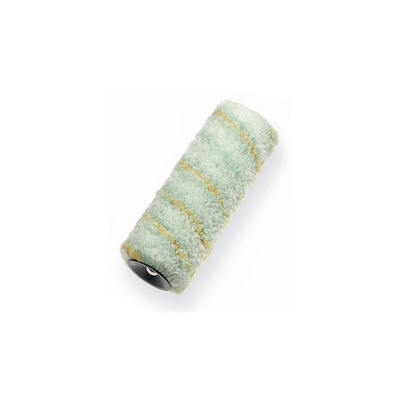
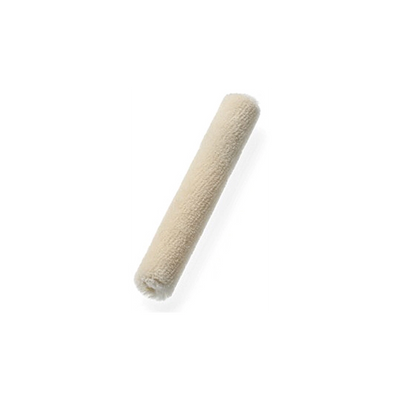
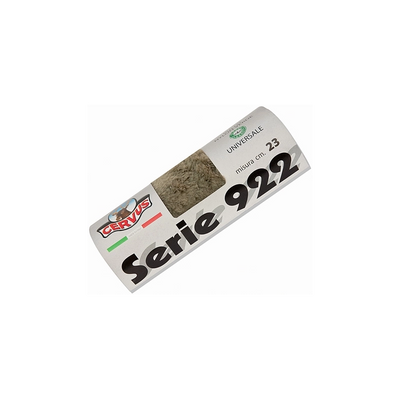
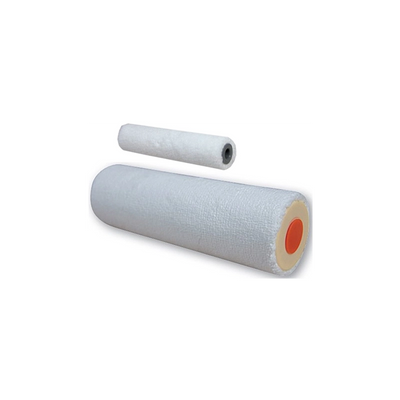
- Rollers and mini rollers in foam, microfibre or wool, with matching handles.
- Masking tapes and films to protect the parts that are not to be painted.
- Powder coating systems and booths, with accessories and powder recovery.
- Steel wire brushes and sandblasting guns, for preparing the substrate.
- Spare parts and seals for spraying equipment.
How to choose
The choice depends on the product to be applied and the surface: short-pile rollers give smooth finishes, while long-pile ones are needed on rough substrates. Powder paints require a dedicated system, with a booth suited to the parts to be treated. Before painting, brushing or sandblasting removes rust and residues that would compromise adhesion.
Describe the job and the materials: AMES will prepare a tailor-made quotation.
Active filters:
Products in this collection
In your quote
In compare
 In your quote
In compare
 In your quote
In compare
 In your quote
In compare
 In your quote
In compare
 In your quote
In compare
 In your quote
In compare
 In your quote
In compare
 In your quote
In compare
 In your quote
In compare
 In your quote
In compare
 In your quote
In compare
 In your quote
In compare
 In your quote
In compare
 In your quote
In compare
 In your quote
In compare
 In your quote
In compare
 In your quote
In compare
 In your quote
In compare
 In your quote
In compare
 In your quote
In compare
 In your quote
In compare
 In your quote
In compare
 In your quote
In compare
Frequently asked questions: Painting Equipment and Surface Treatment Tools
Which roller should you choose for smooth paints and for rough surfaces?
A short-pile roller, in microfibre or nylon, gives a smooth finish on paints and enamels. A long-pile roller loads more product and suits rough surfaces or plaster. Choose the pile length according to the roughness of the substrate and the density of the product. Check the product data sheet for the recommended rollers.
Which brush should you use for edges, and which large brush for broad surfaces?
For edges, corners and details use a fine-bristled brush, while for broad surfaces such as walls, ceilings or gates a large paint brush is more practical, applying more product in fewer passes. A medium brush is a middle option for finishes of medium size. For water-based paints, synthetic bristles are preferred; for solvent-based products, natural bristles.
What is masking tape for, and how do the dispensers work?
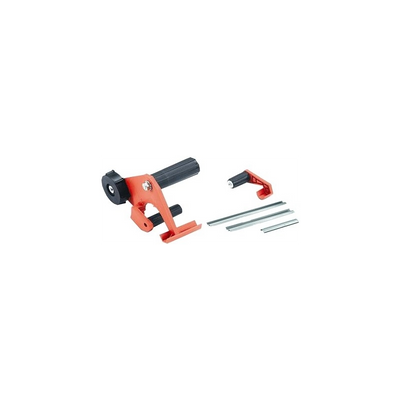
Masking tape protects glass, frames, floors and all the parts that must not be painted. A dispenser with a blade lets you cut the right length on site. The Paperella dispenser, with 15, 30 and 45 centimetre blades, takes masking paper of various heights. Remove the tape within the time specified by the paint manufacturer, to avoid residue.
What is powder coating, and what equipment does it require?
Powder coating applies an electrostatically charged powder to the workpiece, which is then baked in an oven to form the coating. The equipment includes the electrostatic gun, the powder feed system and the booth, with recovery of the powder that does not deposit. Recovery reduces waste and keeps the workplace clean. The process uses combustible powders and must be designed with specific criteria.
Which standards apply to powder coating plants?
Coating powders are combustible and can form explosive atmospheres if they accumulate in the air. Plants and booths need equipment compliant with the ATEX Directive 2014/34/EU and an explosion risk assessment, as required by D.Lgs. 81/2008 (Italian Legislative Decree 81/2008 on workplace safety) in Title XI on explosive atmospheres. Personnel must be trained and hazardous areas classified as indicated.
Which protective equipment is needed when sanding or spraying paint?
For sanding, spraying or applying paint, wear goggles, gloves suitable for the product and respiratory protection: a mask with an organic-vapour filter if you use solvents, or an FFP2 or higher mask compliant with EN 149 for sanding dust. Work in ventilated areas and follow the safety data sheet. Contaminated clothing must be changed and washed separately.
How do you keep rollers and trays organised while painting?
For rollers, use a plastic paint tray, which allows you to load the product evenly and remove the excess before applying it. The anti-bubble roller breaks up the air bubbles in fresh paint. Clean rollers and trays immediately after use, so that paint does not dry in the nap and spoil later applications.