
 In your quote
In compare
Refrigerated Containers
10 products
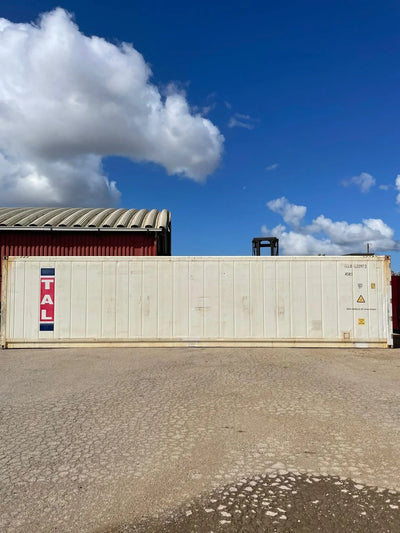
Refrigerated containers, also known as reefers, are insulated containers that maintain low temperatures for storing food, medicines and perishable goods. They are used in transport and as temporary or fixed cold rooms. The brand included is Garico Box.
Types in the collection
- 20 and 40 ft refrigerated containers, new or used.
- Insulated containers, with insulated walls, to maintain the internal temperature.
A refrigerated container has insulated walls and, in the reefer version, a refrigeration unit that needs an electrical connection to operate.
How to choose
Consider the size, the temperature you need to maintain and whether you need a container with a refrigeration unit or simply an insulated one. Check that a suitable electrical connection is available and the condition of the container, new or used. Also ask about the usable internal dimensions and the type of doors.
AMES works on a quotation basis: tell us the quantity, dimensions and intended use and we will recommend the most suitable solution, with availability and delivery times.
Active filters:
Products in this collection
In your quote
In compare
 In your quote
In compare
 In your quote
In compare
 In your quote
In compare
 In your quote
In compare
 In your quote
In compare
 In your quote
In compare
 In your quote
In compare
 In your quote
In compare
 In your quote
In compare
Frequently asked questions: Refrigerated Containers
What is a refrigerated container used for?
It is used to store food, medicines and other perishable goods at a controlled temperature, both during transport and as a fixed or temporary cold room in a warehouse, at an event or on a building site. The insulated walls retain the cold, while in the reefer version a refrigeration unit produces it. For sensitive goods, ask what temperature the unit can maintain.
What is the difference between a reefer container and an insulated one?
The reefer has a refrigeration unit and needs an electrical connection to work. The insulated one has thermally insulated walls that keep the internal temperature, but does not produce cold by itself: it is used to keep already cold goods or to retain the cold present. The product name shows the difference, for example in the wording Insulated Container.
How do I choose between 10, 20 and 40-foot containers?
The choice depends on the available space and the volume of goods to be stored. The 10-foot is the most compact and suits areas with limited access. The 20-foot is an intermediate size; the 40-foot offers more volume for large quantities. The HC (high cube) version gains internal height compared with the standard size.
Is a new or used refrigerated container better?
A new container has more uniform condition, while a used one requires a careful check of the walls, gaskets, doors and refrigeration unit. Before deciding, check the state of the insulation and run the unit in a test. For food use, also check the cleanliness of the interior and the absence of residual odours.
What connections are needed to run a reefer container?
The refrigeration unit needs a dedicated power supply, with the power and voltage specified by the manufacturer. The connection must be made by a qualified electrician, with adequate protection and a socket outlet close to the container. Without power the reefer does not hold temperature, so the connection must be planned before delivery.
Who uses a refrigerated container?
It is used by food companies, distributors, restaurants, event organisers, pharmacies and logistics firms to temporarily store perishable goods. On building sites or at events it can serve as a back-up cold room. Those who transport perishable goods must comply with the cold chain rules that apply to the sector.
How do I keep a refrigerated container running efficiently?
Gaskets and doors should be checked periodically, because a faulty seal lets in warm air and moisture. The refrigeration unit requires scheduled maintenance according to the manufacturer's instructions, covering filters, condenser and levels. Cleaning the interior between loads prevents odours and contamination.
What risks does the cargo run if the container stops cooling?
A refrigeration unit failure or a power cut can make the internal temperature rise within a short time, with loss of the product. For this reason an alarm system or a temperature recorder is advisable, where possible. For sensitive goods, temperature checks must be documented during transport and while stationary.