
 In your quote
In compare
Supplies for Conservation and Restoration
596 products
Conservation and restoration work requires products compatible with historic materials and targeted interventions on façades, masonry and surfaces. This collection brings together products for cleaning, protecting, consolidating and repairing.
What you will find in this collection
- Mortars and epoxy-cement systems for repairs and floors.
- Cleaners and protective products for façades and surfaces.
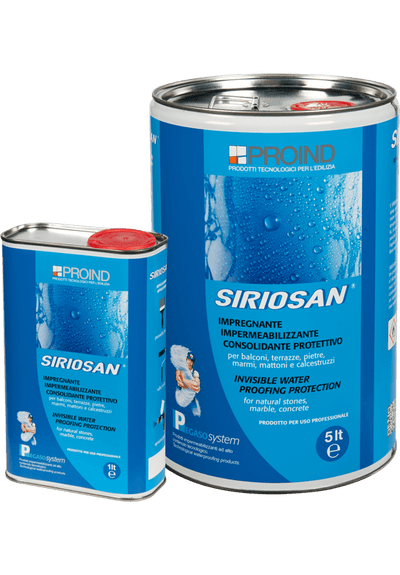
- Impregnating agents and waxes for tiles and stone.
- Corrosion inhibitors and zinc-rich spray coatings.
- Adhesives and epoxy kits for repairs.
- Sandblasters and pressure washers for cleaning surfaces.
How to choose
- Choose the product according to the material you are working on and read the technical data sheet.
- To clean façades and delicate surfaces, proceed by successive tests, starting from a barely visible spot.
- For adhesives and resins, check the curing times and the conditions of application.
In your quote request, state the quantities, models and brands you need: we will reply with availability and equivalent alternatives. AMES sells by quotation only: write to us and we will send you an offer tailored to your job.
Active filters:
Products in this collection
In your quote
In compare
 In your quote
In compare
 In your quote
In compare
 In your quote
In compare
 In your quote
In compare
 In your quote
In compare
 In your quote
In compare
 In your quote
In compare
 In your quote
In compare
 In your quote
In compare
 In your quote
In compare
 In your quote
In compare
 In your quote
In compare
 In your quote
In compare
 In your quote
In compare
 In your quote
In compare
 In your quote
In compare
 In your quote
In compare
 In your quote
In compare
 In your quote
In compare
 In your quote
In compare
 In your quote
In compare
 In your quote
In compare
 In your quote
In compare
Frequently asked questions: Supplies for Conservation and Restoration
Which restoration mortar should I choose to repair plaster or a historic floor?
Restoration calls for mortars compatible with the historic substrate, with similar strength and porosity. Epoxy-cement mortars are for repairs and floors where greater mechanical strength is needed. For ancient masonry, lime-based mortars are preferred, as they are less rigid than the original material. Before application, test the product on a small area and check the datasheet and the instructions of the works management.
Which facade cleaner should I choose without damaging the stone or plaster?
To clean facades and historic surfaces, choose a cleaner compatible with the material, tested first on a hidden area. The composition varies greatly between products, and an aggressive product can dull or damage stone. Pressure washers and sandblasters must be used with controlled pressure. Wear eye and respiratory protection and respect the application times indicated.
What is the difference between a consolidating water repellent and a waterproofing water repellent?
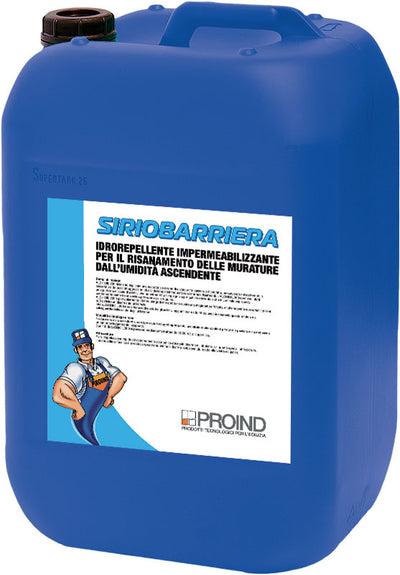
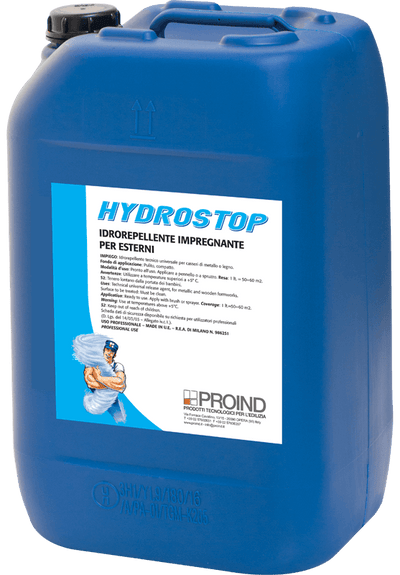
The consolidating water-repellent product protects and strengthens surfaces such as stone and deteriorated concrete. The waterproofing water repellent is instead for masonry subject to rising damp. Wood protectors, such as woodworm treatments, have a different function. Choose according to the material and the cause of the deterioration, and always apply on a clean, dry surface.
Which corrosion inhibitors and zinc sprays protect iron in a restoration job?
Corrosion inhibitors reduce the formation of rust on iron and steel and can be applied to surfaces that have already been treated. Zinc sprays recreate a protective layer of zinc on welds or cut points. Before applying the products, remove rust and dust with a wire brush and degrease the surface. Wear gloves and respiratory protection, because sprays produce vapours.
Which chisels and gouges do I need for woodwork when restoring furniture?
Wood gouges have curved blades of different widths and shapes, and are used for hollowing, shaping and finishing. Choose the gouge according to the curvature needed: wide sweeps for broad surfaces, narrow sweeps for details. Keep the edge sharp, because a blunt blade ruins the wood. Work at the correct cutting angle and secure the piece on a stable bench.
Which woodworm treatment should I choose for antique furniture and beams?
Woodworm spray protectant is used to treat wood attacked by wood-boring insects, such as woodworm. Before applying it, check for flight holes and remove the dust. The product must be used in a ventilated environment, with a mask and gloves. On valuable furniture it is advisable to test on a hidden area, because some treatments can darken the original finish.
Which nail pullers or restorers' hammers do I need for carpentry and upholstery?
Upholsterers' and cobblers' nail pullers have different shapes, suited to extracting nails from fabric, wood or soles. The watchmaker's hammer and the bush hammer with toothed heads are for precision work and for roughing out stone. Wooden mallets do not damage the surface when striking a tool. Choose the weight and shape according to the job and the material to be treated.