
 In your quote
In compare
Mechanical Engineering and Metal Treatment
67 products · Chemical Products for Surfaces and Cleaning
In this collection you will find Chemical Roadmaster chemical products for the mechanical engineering industry and metal treatment: lubricants, anti-spatter products for welding and other maintenance products for workshops and production departments.
What you will find in this collection
- Spray lubricants: to reduce friction and protect moving mechanical parts.
- Welding anti-spatter products: in spray or liquid form, they stop welding spatter from sticking to the workpieces and make them easier to clean.
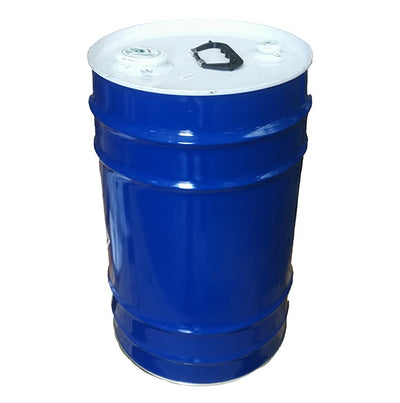
- Workshop packs: spray cans and drums for everyday use in production.
How to choose
What matters is the operation the product is needed for: welding, lubrication or cleaning of parts. Then check the pack size (spray for touch-ups, drum for continuous use) and whether the product is silicone-free, an important detail when the parts are to be painted afterwards. Always read the safety data sheet before use.
AMES works on a quotation basis: tell us the type of operation and your consumption, and we will propose the right products.
Active filters:
Products in this collection
In your quote
In compare
 In your quote
In compare
 In your quote
In compare
 In your quote
In compare
 In your quote
In compare
 In your quote
In compare
 In your quote
In compare
 In your quote
In compare
 In your quote
In compare
 In your quote
In compare
 In your quote
In compare
 In your quote
In compare
 In your quote
In compare
 In your quote
In compare
 In your quote
In compare
 In your quote
In compare
 In your quote
In compare
 In your quote
In compare
 In your quote
In compare
 In your quote
In compare
 In your quote
In compare
 In your quote
In compare
 In your quote
In compare
 In your quote
In compare
Frequently asked questions: Mechanical Engineering and Metal Treatment
What are chemical products for the mechanical industry used for?
These products are used in workshops and production departments to reduce friction, degrease and prepare workpieces, mark out machining and protect metal. They are everyday maintenance products for machines, lines and metal treatment processes. They are chosen according to the stage of work in which they are to be used.
How do I use anti-spatter spray for welding?
Anti-spatter spray stops weld spatter from sticking to the workpieces and makes cleaning easier after welding. It is applied as a spray or in liquid form on the workpiece and on the torch nozzle. Apply it to a clean, dry surface, away from sources of heat, and observe the drying times shown on the product page.
Which industrial lubricant should I choose for machining?
For machining you need synthetic cutting fluids, such as Sintesoil T and Sintesoil B1, which cool and lubricate during cutting and drilling. For mechanical components there are industrial lubricants such as Semisoil and Sana Grease. Choose according to the operation and the material being worked.
How do I use ultrasonic cleaning detergents?
Ultrasonic detergents are used in the tank of the machine, diluted as indicated on the label, to clean mechanical parts of oil, dust and machining residues. The collection includes low-foam and acid-based versions: choose the one indicated on the product page for the type of residue. Do not use the solution beyond its intended duration.
How do I use layout fluid to mark workpieces?
The layout fluid spray, available in orange and light blue, is used to mark lines and machining points on metal before cutting or drilling. It is sprayed on a clean, degreased surface, leaving it to dry before scribing. Choose the colour that contrasts with the metal, so the mark stays visible.
How do I use a solvent degreaser safely?
Use the product in a well-ventilated area, with suitable gloves and goggles, because solvents are flammable and irritant. Keep flames, sparks and hot surfaces away. Read the safety data sheet and dispose of used rags according to the waste regulations in force.
Which pack sizes are available for the workshop?
For everyday use in production there are aerosol cans and canisters. Aerosol packs are convenient for one-off jobs, while canisters are for when consumption is continuous. Choose the pack according to how often you use it and the storage space available.