
 In your quote
In compare
Precision Instruments for Measuring Time, Weight and Force
92 products · Analogue Measurement and Marking-Out
This collection brings together instruments for accurately measuring weight, time and other quantities, for use in laboratories, workshops, warehouses and production.
What you will find in the collection
- Electronic scales, bench or platform, for weighing goods and materials.
- Spring scales, for quick weighing without a power supply.
- Electronic kitchen scales, for small weighings.
- Digital optical tachometers, for measuring the revolutions per minute of rotating parts.
- Digital hardness testers and calibration accessories, for checking the hardness of materials.
How to choose
For a scale, consider the maximum capacity, the division (the reading accuracy) and the place of use: bench, floor or warehouse. For testing instruments, check the measuring range and the scale suited to the material to be examined, and whether periodic calibration is needed.
Bear in mind that the accuracy of a measurement also depends on correct use of the instrument: a stable surface, zeroing before reading and protection from shocks. For measurements that require certification, ask us whether calibration is available.
AMES works by quotation: tell us what you need to measure and we will recommend the right instrument.
Active filters:
Products in this collection
In your quote
In compare
 In your quote
In compare
 In your quote
In compare
 In your quote
In compare
 In your quote
In compare
 In your quote
In compare
 In your quote
In compare
 In your quote
In compare
 In your quote
In compare
 In your quote
In compare
 In your quote
In compare
 In your quote
In compare
 In your quote
In compare
 In your quote
In compare
 In your quote
In compare
 In your quote
In compare
 In your quote
In compare
 In your quote
In compare
 In your quote
In compare
 In your quote
In compare
 In your quote
In compare
 In your quote
In compare
 In your quote
In compare
 In your quote
In compare
Frequently asked questions: Precision Instruments for Measuring Time, Weight and Force
Which scale should I choose for weighing goods and materials in a warehouse?
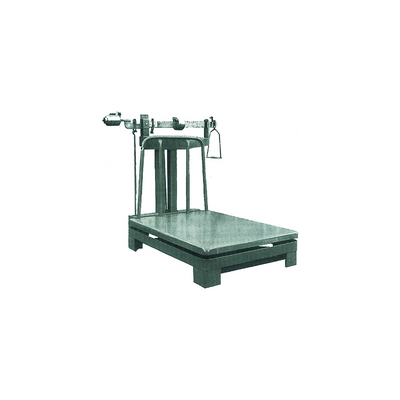
The choice depends on the capacity, that is the maximum weight the scale can take, and on the precision needed. For weighing parcels or heavy materials you need platform scales, while small quantities are covered by electronic bench scales. The mechanical 200-300 kg platform scale in the catalogue is designed for heavy loads. Always check the capacity shown on the data sheet.
Does a scale used for commercial purposes need to be verified?
Scales used to weigh goods for commercial purposes must comply with metrological regulations, and in many cases periodic verification is required. A scale for domestic or laboratory use has different requirements. Before using it for pricing or trade calculations, check that it is suitable for the use and that it carries the verification required by law.
What is the difference between an electronic scale and a spring scale?
An electronic scale uses a sensor and shows the weight on a digital display, with more precise readings. A spring scale works without power, with a pointer that moves across a dial, and suits quick, approximate weighings. For work on site or in the workshop, a spring scale avoids dependence on batteries.
What are brass and cast iron weights used for?
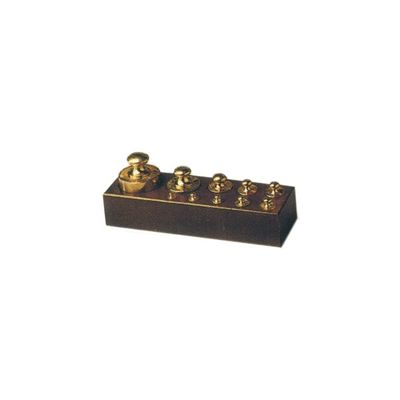
Brass and cast iron weights are reference masses used to check the calibration of scales and for checks in the workshop or laboratory. The material determines the mass for a given volume, and the surface finish. A reference weight should be kept clean and handled carefully, without touching it with dirty hands, so that its mass is not altered.
How do I measure the revolutions of a rotating part with an optical tachometer?
The digital optical tachometer measures the revolutions per minute of a rotating part: you aim the sensor at a reflective mark applied to the rotating part, and the reading appears on the display. It is used in workshops to check motors and machines. Keep a safe distance from moving parts and never bring your hands close to the measuring point.
When is a digital hardness tester needed?
The digital hardness tester measures the hardness of metals and other materials to check that they meet the specification of the part. It is used in workshops, in quality control and in test laboratories, and serves to compare a part with a known reference. For reliable readings, the tester must be calibrated with the calibration blocks specified by the manufacturer.
How do I keep an electronic scale in good condition?
Place the scale on a stable, level surface, away from vibration and draughts. Zero the platform before each weighing and clean the platform without wetting the display. Replace the batteries when the display dims, and keep the scale in a dry case when it is not in use.