
 In your quote
In compare
Fibreglass Mesh for Construction
19 products · Timber, Netting and Formwork
Fibreglass meshes are reinforcing meshes that are embedded in plasters and skim coats to strengthen them and limit cracking. They are used mainly in external wall insulation systems, in plaster skim coats and in the reinforcement of thermal insulation.
Types in the collection
- Meshes for external wall insulation in fibreglass with an alkali-resistant coating, in different weights
- Reinforcing meshes for plasters and skim coats
- Fibreglass fabrics and cloths in rolls
- Anti-crack reinforcing fabrics for substrates prone to cracking
Brands include Colorificio Adriatico, Kimia, Bacchi, Edilchimica, Pasini Reti and A.M.E.S. srl.
How to choose
The choice is based on the weight (g/m²), the mesh size and the treatment: for plasters and external wall insulation you need a mesh with an alkali-resistant coating, which withstands the alkalinity of cement-based binders. Also check the roll width and compatibility with the skim coating system used.
AMES Srl works by quotation: tell us the application and the square metres and we will recommend the right mesh.
Active filters:
Products in this collection
In your quote
In compare
 In your quote
In compare
Panfilm
Adhesive joint tape for plasterboard 600 Joint Panfilm
Code 600-joint-e-8211-rete-adesiva-per-giunzione-carton
 In your quote
In compare
 In your quote
In compare
 In your quote
In compare
 In your quote
In compare
 In your quote
In compare
Kimia
Glass-fibre reinforcement mesh with alkali-resistant coating Kimitech 550 PLUS Kimia
Code Kimitech 550 PLUS
 In your quote
In compare
 In your quote
In compare
Edilchimica
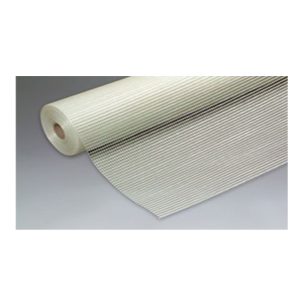
Anti-crack reinforcement fabric Supporto Antifessura Edilchimica
Code SUPPORTO_ANTIFESSURA
 In your quote
In compare
Colorificio Adriatico
Glass-fibre mesh for external insulation, 160 g/m², Etics B.CA Colorificio Adriatico
 In your quote
In compare
 In your quote
In compare
 In your quote
In compare
Pasini Reti
Netting for the protection of architectural heritage Pasini Reti
Code rete-edifici-storici-antichi
 In your quote
In compare
 In your quote
In compare
 In your quote
In compare
 In your quote
In compare
 In your quote
In compare
 In your quote
In compare
Frequently asked questions: Fibreglass Mesh for Construction
What is fibreglass mesh used for in building?
Fibreglass mesh is a reinforcing mesh that is embedded in plasters and skim coats to strengthen them and limit cracking. It works well where the substrate is subject to movement or small cracks, such as façades with external wall insulation. Laid in the skim coat, it distributes stresses and helps the plaster stay uniform over time. It does not, however, replace proper preparation of the substrate.
Which mesh should I choose for external thermal insulation?
For external wall insulation, fibreglass meshes with an alkali-resistant coating are used, because they must withstand the alkaline environment of the mortar. The grammage, that is the weight per square metre, varies according to the system and the performance required. It is best to choose the mesh specified by the manufacturer of the insulation system, so as to check compatibility with adhesives, skim coats and finishes. In the catalogue you will find insulation meshes from several brands.
What is the difference between insulation mesh, plaster mesh and fabric in rolls?
Insulation mesh is sized for application over the insulating material and usually has the alkali-resistant coating. Reinforcing mesh for plasters and skim coats strengthens the finishing layer and may come in different sizes and grammages. Fabrics and cloths in rolls are suited to substrates with recurring cracks, because they cover larger surfaces with a single sheet. Always check the data sheet for the intended use.
How is fibreglass mesh laid in the skim coat?
First the substrate is prepared, clean and stable, then a first layer of skim coat is spread with the trowel. While the skim coat is still fresh, the mesh is embedded, pressing and stretching it well so that no creases remain, and it is covered with a thin layer of finish. The overlaps between sheets must follow the instructions of the system used. Respect the drying times given by the manufacturer before applying the finish.
Which substrates need an anti-crack mesh?
Anti-crack meshes and fabrics are needed where the substrate is prone to cracking, such as the joints between different materials, the edges of openings and surfaces that expand with temperature. Façades exposed to sun and rain can also benefit from reinforcement. The type of mesh must be chosen according to the cause of the cracking, assessed before the work.
How do I choose the grammage of fibreglass mesh?
Grammage indicates the weight of the mesh per square metre and generally increases with the strength required. A lighter mesh is fine for finishing skim coats and lightly stressed substrates, while for external insulation and surfaces subject to impact or movement a higher grammage is better. The final choice follows the system and the instructions of the coating manufacturer. Ask for the data sheet before buying.
How do I work safely with fibreglass mesh?
Fibreglass can irritate skin and eyes, and its particles are released into the air during cutting. Wear gloves, goggles and a dust mask, and cut the sheets outdoors or in a ventilated area. Wash your hands and clothes after work and do not touch your face with dirty gloves. Store the rolls away from damp and read the product's safety data sheet.
What jobs is fibreglass mesh used for?
Fibreglass meshes are used by thermal insulation contractors, plasterers and anyone carrying out façade refurbishment. They are used in plaster skim coats, to reinforce insulation and where the substrate has cracks. A frequent use is external wall insulation on residential and commercial buildings. Choose the product according to the planned work cycle.