
 In your quote
In compare
Equipment for Steel Fixers
176 products
Steel fixers prepare the steel reinforcement for reinforced concrete: they cut and bend the bars, tie them and set up the formwork into which the concrete will be poured. This collection brings together the equipment for these operations, from brands such as Makita, Milwaukee, Stanley, Panalex and Mafi.
What you will find in this collection
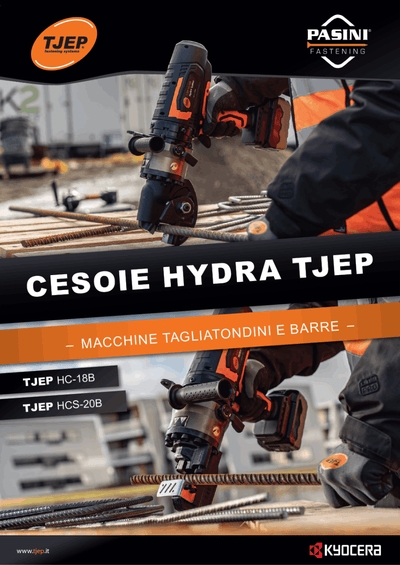
- Rebar cutters, cordless pipe cutters, nibblers and shears
- Bolt cutters, also with spare blades
- Presses, shears and sheet metal rolls
- Formwork and concrete pouring systems
- Steel-framed formwork
How to choose
- Cutting capacity: check that the diameter of the bars to be cut falls within the range allowed by the machine or bolt cutter.
- Manual or cordless: for a few cuts on site a hand tool is enough; for repeated production a cordless machine is more worthwhile.
- Formwork: choose the panels according to the shape and size of the element to be poured and how many times you intend to reuse them.
To choose the right models, quantities and compatibility for your work, request a quote: AMES technicians will help you find the right solution.
Active filters:
Products in this collection
In your quote
In compare
 In your quote
In compare
 In your quote
In compare
 In your quote
In compare
 In your quote
In compare
 In your quote
In compare
 In your quote
In compare
 In your quote
In compare
 In your quote
In compare
 In your quote
In compare
 In your quote
In compare
 In your quote
In compare
 In your quote
In compare
 In your quote
In compare
 In your quote
In compare
 In your quote
In compare
 In your quote
In compare
 In your quote
In compare
 In your quote
In compare
 In your quote
In compare
 In your quote
In compare
 In your quote
In compare
 In your quote
In compare
 In your quote
In compare
Frequently asked questions: Equipment for Steel Fixers
What tools does a steel fixer need to cut and bend reinforcing bar?
A steel fixer uses bar cutters, pipe cutters, shears and nibblers to cut bars, then rebar benders and bending plates to shape stirrups. Pincers are needed for tying bars, and galvanised spacers keep the steel away from the formwork. Metal-frame formwork and pouring systems complete the preparation. The choice depends on the diameter of the bars to be worked.
Which bolt cutters should I choose to cut threaded bar and profiles?
Bolt cutters should be chosen according to the diameter and hardness of the material. The catalogue includes red and black versions, angled and mini models, with compatible replacement blades. For harder or thicker materials, check the cutting capacity stated by the manufacturer. Worn blades cut badly and can chip, so replace them in good time.
How do I choose a rebar bending plate for stirrups?
The plate should be chosen according to the maximum bar diameter it bends and the shape of the stirrups. Plates with a lever have more grip, while plates with holes make it possible to reproduce repeated dimensions. A simple rebar bender is fine for occasional jobs. Always bend cold, with steady movements, and check that the bars are clean and straight before starting.
Which standards apply to cutting and bending reinforcing steel?
Reinforcing steel must comply with the Italian Technical Standards for Construction (NTC 2018), which set out its characteristics. On-site working is governed by D.Lgs. 81/2008 (the Italian Legislative Decree on workplace safety) for equipment and mechanical risks. Anyone cutting and bending steel must use machines with guards and PPE (personal protective equipment), such as goggles and gloves. If you are not sure of the steel grade, ask the supplier.
Which metal-frame formwork do I need for pouring concrete?
Metal-frame formwork is assembled from modular panels, useful for walls and columns where the same pour has to be repeated. It should be chosen according to the height of the pour and the pressure the concrete exerts on the panel. Before assembly, check that the frames are intact, clean and treated with a suitable release agent. Assembly must be carried out by trained personnel.
Which press or shear for sheet metal should I use in the workshop?
Presses, shears and plate rolls for sheet metal are used to cut, bend and curve metal sheets. They should be chosen according to the maximum thickness, the cutting length and the force needed. Manually operated machines have a thickness limit that must be respected. Machines with electric controls must be used with guards and stopping devices, as required by the Machinery Directive.
Who uses steel fixer equipment, and for what work?
It is used by steel fixers, carpenters, reinforcement fitters and firms that build reinforced concrete structures such as foundations, floors, columns and walls. It is needed to prepare reinforcement cages, cut and bend bars, tie the steel and set up the formwork. Organise the work sequence so that the bars are cut and bent before the pour.