
 In your quote
In compare
Supplies for Civil Engineering
1027 products
This collection brings together supplies for the civil engineering sector: surveying instruments, machine control and equipment for public works and infrastructure. The catalogue includes items from Spektra, Leica, Metrica, DeWalt, Panalex, Stabila and Milwaukee.
What you will find
- Lasers and levels: multi-line lasers, laser levels and receivers for setting out heights and alignments.
- Surveying and scanning: receivers, tablets, laser scanning modules and post-processing software.
- Machine control: guidance systems for excavators and earthmoving machines.
- Mounts and accessories: tripods, telescopic poles and instrument mounts.
- Formwork and fixings: clamps and accessories for formwork and foundations.
How to choose
Start from the accuracy required by the job and the measuring distance. For surveying systems, compatibility between receivers, software and accessories of the same range is what counts. Tripods and mounts should be chosen according to the instrument they have to support.
For availability, delivery times and terms, write to us at info@amessrl.com or call 051 728529: we will prepare a tailored quotation for you.
Active filters:
Products in this collection
In your quote
In compare
 In your quote
In compare
 In your quote
In compare
 In your quote
In compare
 In your quote
In compare
 In your quote
In compare
 In your quote
In compare
 In your quote
In compare
 In your quote
In compare
 In your quote
In compare
 In your quote
In compare
 In your quote
In compare
 In your quote
In compare
 In your quote
In compare
 In your quote
In compare
 In your quote
In compare
 In your quote
In compare
 In your quote
In compare
 In your quote
In compare
 In your quote
In compare
 In your quote
In compare
 In your quote
In compare
 In your quote
In compare
 In your quote
In compare
Frequently asked questions: Supplies for Civil Engineering
Which laser level should I choose for marking out levels and alignments on site?
The choice depends on what you need to mark out. A multi-line laser draws several planes and alignments at the same time on walls and floors. A single-line level is enough for simple levels. For long distances outdoors, in sunlight, you need a receiver that picks up the beam. Also consider the laser class and the range stated in the datasheet.
What is a crack monitor used for when monitoring cracks in walls?
A crack monitor measures over time the opening of a crack in masonry or concrete, to understand whether the movement is active or stable. There are versions for cracks on flat walls, for corners and for horizontal surfaces, to be chosen according to the position of the defect. For reliable monitoring, always install the instrument in the same place and record the readings at fixed intervals.
Which primer or waterproofing mortar should I use for structures in contact with water?
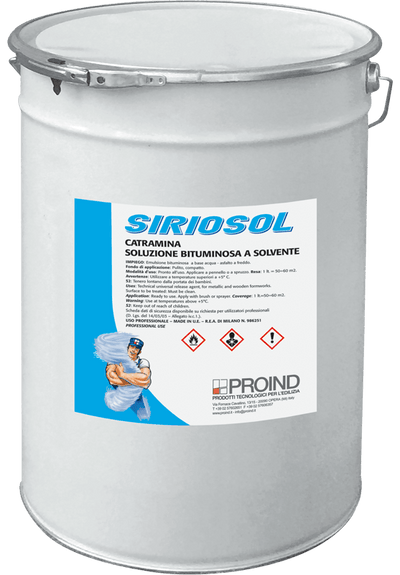
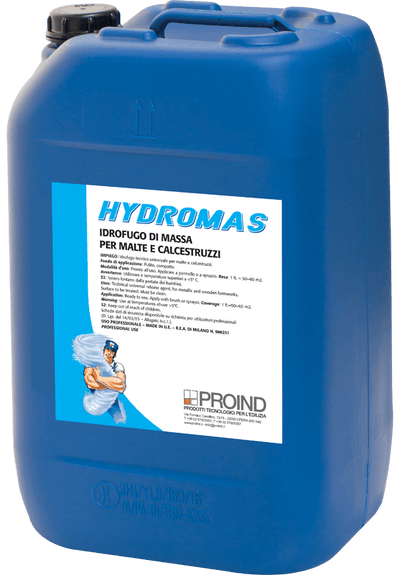
For structures in contact with water, osmotic cementitious mortars are used, applied on clean, wetted substrates according to the manufacturer's instructions. A fast-drying bituminous primer, on the other hand, prepares surfaces that are to be waterproofed with membranes or emulsions. The system should be chosen according to the substrate, the presence of pressurised water and the intended use of the structure. Ask for the datasheet before deciding.
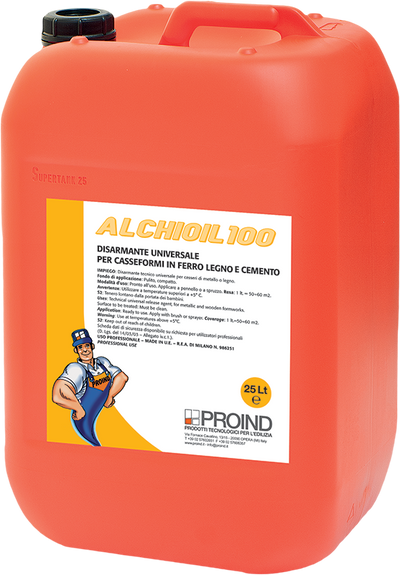
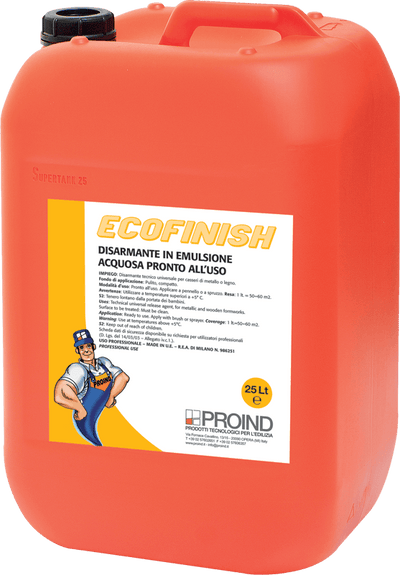
How do I choose a release agent for timber, steel or concrete formwork?
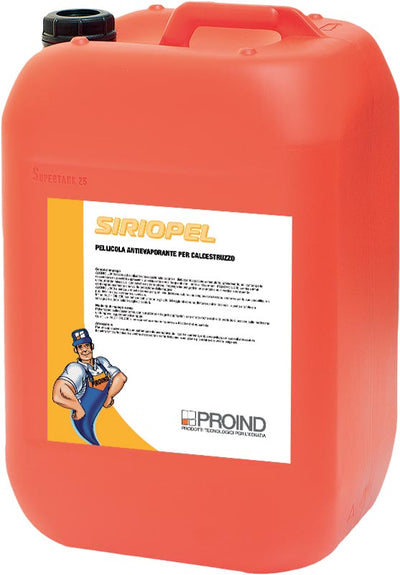
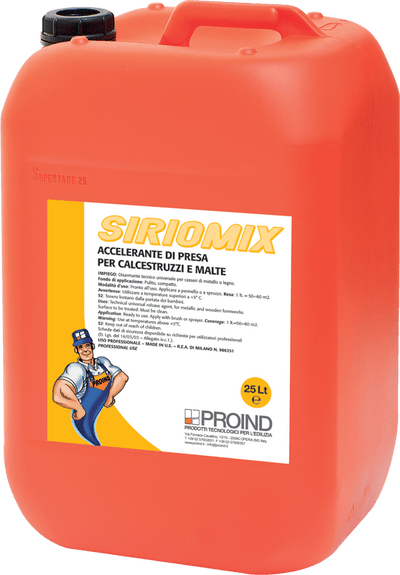
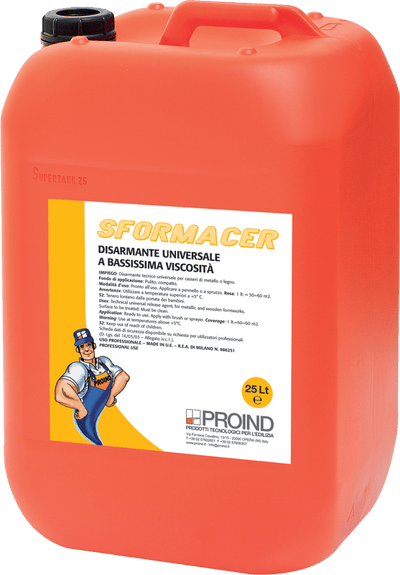
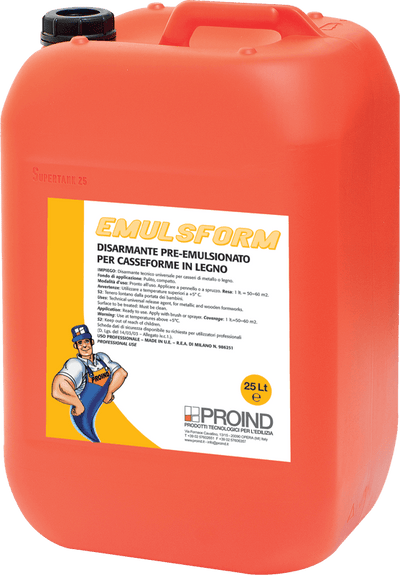
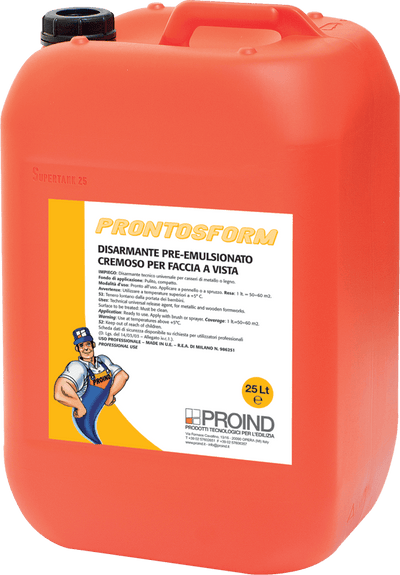
A release agent makes it easier to strip the formwork from the pour and leaves the surface clean. Water-based emulsion release agents are designed for timber and absorbent surfaces. Low-viscosity universal ones suit several materials, while creamy formulations are for fair-faced concrete, where it matters not to stain the pour. Apply the product evenly before pouring.
Which SDS MAX drill bits do I need to drill reinforced concrete?
SDS MAX bits are designed for medium and high-power rotary hammers working on concrete and other hard materials. Dust-extraction bits collect the dust during drilling and are useful indoors or on site, where dust needs to be contained. Choose the diameter and length according to the wall plug or anchor to be fitted, and always wear safety glasses and hearing protection.
Which protection or containment nets are used in civil engineering works?
Protection nets are used to contain debris, protect areas beneath road bridges or mark off work areas. Floating nets hold back debris on bodies of water. Road barriers must comply with the EN 1317 standard on restraint systems. When choosing, consider the expected load, the installation position and the requirements of the specification or the works supervisor.
How do I choose a tripod and a surveying pole for topographic surveys?
The tripod supports the surveying instrument and must have a stable base, adjustable legs and a head suited to the receiver or laser. The octagonal 160 cm pole with a forged tip holds the prism or receiver on an exact point. Check that the instrument's mount is compatible with the tripod head, and always lock the legs before measuring.