
 In your quote
In compare
Hot Water Pressure Washers
46 products
Hot water pressure washers clean with heated water, which dissolves grease, oil and stubborn dirt far better than cold water. They are used in workshops, in industry and for cleaning vehicles and plant. In this collection you will find models and heaters from the brands Annovi Reverberi, Nilfisk and IPC Worldwide.
What you will find in this collection
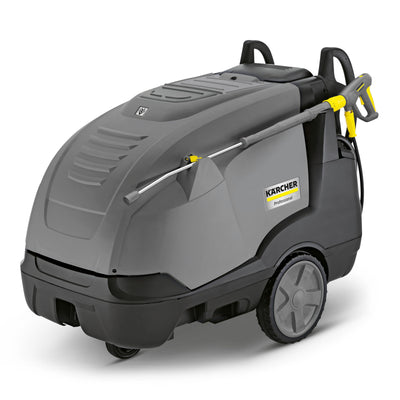
- Hot water pressure washers on trolleys, which can be moved around site and workshop.
- Cabinet-mounted pressure washers for fixed installation, from the Nilfisk SH models.
- Water heaters, such as the Fire Box from IPC Worldwide, to be paired with a pressure washer.
How to choose
Look at the pressure and flow rate, which determine the cleaning capacity, the electrical supply available and the type of installation, mobile or fixed. Also consider how often and for what kinds of dirt you will use hot water, and whether you need accessories such as lances and nozzles compatible with the chosen model.
To choose the model that suits your needs, write to us or call us: we will prepare a tailored quote for you.
Active filters:
Products in this collection
In your quote
In compare
 In your quote
In compare
 In your quote
In compare
 In your quote
In compare
 In your quote
In compare
 In your quote
In compare
 In your quote
In compare
 In your quote
In compare
 In your quote
In compare
 In your quote
In compare
 In your quote
In compare
 In your quote
In compare
 In your quote
In compare
 In your quote
In compare
 In your quote
In compare
 In your quote
In compare
 In your quote
In compare
 In your quote
In compare
 In your quote
In compare
 In your quote
In compare
 In your quote
In compare
 In your quote
In compare
 In your quote
In compare
 In your quote
In compare
Frequently asked questions: Hot Water Pressure Washers
When do I need a hot water pressure washer instead of a cold one?
Hot water dissolves grease, oil and stubborn dirt much better than cold water, so it is the choice for workshops, industry, vehicles and plant dirty with oily residues. For light dirt or dust, cold water is enough. If the job involves a lot of grease, the version with a heater is better.
What types of hot water pressure washer are there?
There are trolley-mounted models, movable between site and workshop, fixed cabinet versions for permanent installation, and water heaters to pair with an existing pressure washer. The choice depends on the work location and how often the machine needs moving. For fixed versions, consider the installation space and the drain.
How do I choose the pressure and flow rate of a hot water pressure washer?
Pressure in bar and flow rate in litres per hour define cleaning power and working speed. Caked-on dirt needs more pressure, while for large surfaces flow rate matters most. Model data sheets give these values, for both the Kärcher HDS series and the IPC Worldwide PW-H models. Compare the figures on the technical data sheet.
What power supply does a hot water pressure washer need?
Many models require a suitable power socket, often three-phase, as shown by the 400/3/50 designation on some Nilfisk units. Some heated versions have a fuel-fired heater, others an electric heater. Check the power available at the work site before buying, because not all models run from a household socket.
How do I use a hot water pressure washer safely?
The water can reach high temperatures and the pressurised jet can cause injury. Wear gloves, goggles and non-slip footwear, do not point the jet at people and let the machine cool before working on it. Do not use the machine where flammable liquids or gases are present in the work area.
What standards apply to the water heater?
A fuel-fired heater falls under gas appliance regulations, while an electric one follows the rules on electrical installations. In the workplace, Italian Legislative Decree 81/2008 on workplace safety applies to the use of equipment. Fixed installations require a compliant system and verification by the installer.
Who uses a hot water pressure washer?
It is used by maintenance staff in workshops, body shops, industrial plants and firms working with heavy vehicles. It is used to clean machinery and areas with grease residues, and also to wash equipment on road works. It is often chosen by those who need to degrease thoroughly and often.
Which model should I choose for a fixed installation?
For a fixed installation, cabinet models are chosen, such as the Nilfisk SH series, to be connected to a permanent system in a workshop or wash area. The machine must be placed in a room protected from water and with an adequate drain. For work at several different points, a trolley-mounted machine is better.