
 In your quote
In compare
Industrial Absorbents and Sawdust
74 products · Absorbents, Buckets and Water Treatment
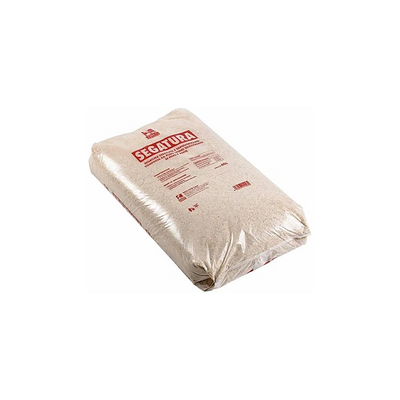
Industrial absorbents are used to contain and collect spills of oils, hydrocarbons and other liquids on floors, yards and in workshops. With sawdust and other absorbent materials you can act quickly, reducing the risk of slipping and of release into the environment.
Types of product in the collection
- Granular absorbents: made of clay or other mineral materials, for oils and liquids spilled on the floor.
- Absorbent pads, sheets and rolls: for oils, water or aggressive liquids, also for machine maintenance.
- Spill kits: containers holding everything needed for a first response.
- Booms and drive-over rolls: to contain and mark off the spill.
- Neutralising absorbents: for acids, for example battery acid.
Among the brands in the collection you will find Comi Storage, Butti, Portwest, Faren, Bacchi, Unifix, NPT Sigill and Chemical Roadmaster.
How to choose the right absorbent
Identify the liquid to be collected: oils and hydrocarbons, water, chemicals or acids call for different materials. Then consider the quantity, the type of surface and whether you need a quick emergency response or a permanent supply for the department.
The AMES team will help you choose the right product: request a quote.
Active filters:
Products in this collection
In your quote
In compare
 In your quote
In compare
 In your quote
In compare
 In your quote
In compare
 In your quote
In compare
 In your quote
In compare
 In your quote
In compare
 In your quote
In compare
 In your quote
In compare
 In your quote
In compare
 In your quote
In compare
 In your quote
In compare
 In your quote
In compare
 In your quote
In compare
 In your quote
In compare
 In your quote
In compare
 In your quote
In compare
 In your quote
In compare
 In your quote
In compare
 In your quote
In compare
 In your quote
In compare
 In your quote
In compare
 In your quote
In compare
 In your quote
In compare
Frequently asked questions: Industrial Absorbents and Sawdust
What are industrial absorbents and sawdust used for?
They are used to contain and collect spills of oils, hydrocarbons and other liquids on floors, yards and in workshops. Spread over the liquid, they soak up the material and reduce the risk of slipping and of it spreading into drains or the ground. Sawdust is an inexpensive absorbent for small spills, while for chemicals or aggressive liquids you need specific materials, as indicated in the product's safety data sheet.
Which absorbent should I choose for oils and for chemicals?
The material must be chosen according to the liquid. For oils and hydrocarbons, absorbent pads, pillows and rolls for oils are used, while for chemicals a kit or pad specific to that class of substance is better. Sawdust is fine for oils on dry surfaces, but it is not suitable for every liquid. Always check the safety data sheet of the spilled product before deciding.
What is the difference between a granular absorbent and a pad?
Granules, made of clay or other mineral materials, are spread over the liquid, absorb it and are then collected with a shovel. They are convenient on uneven floors and for large spills, but need cleaning up afterwards. Pads and rolls are laid directly on the stain and can be lifted off whole, so they are cleaner on smooth surfaces such as workshop floors. The choice depends on the surface and the quantity of liquid.
How do I dispose of used absorbent after a spill?
Absorbent soaked with oil or chemicals becomes waste and must be disposed of as such, in accordance with Italian Legislative Decree 152/2006 (the Italian Environmental Code). Collect it in a closed, well-labelled container, without mixing it with other waste, and hand it over to an authorised operator. Do not throw it in ordinary bins or down the drain. Wear gloves while collecting it and ventilate the area if the liquid is volatile.
Which absorbents do I need for the workshop and machine maintenance?
In the workshop you need ready-to-use materials to place under oil leaks, to collect drips and machining residues. Maintenance pads, pillows and rolls cover the points where leaks recur, such as under an engine or a trolley. Maintenance kits, with everything needed in a single container, are practical for anyone who has to step in quickly without looking for the material.
Which spill kit should I choose for a warehouse or yard?
The kit is chosen according to the quantity of liquid that could end up on the ground and the type of substance stored. For small storage areas, 20-litre kits are enough, while for large containers and trolleys you need 50-litre or 120-litre kits. Check that the kit is intended for oils or for chemicals, because the materials are not interchangeable. Keep the kit near the point of risk and make sure it is always complete.
How do I use an absorbent safely on a spilled liquid?
First of all, stop the leak, if you can do so without risk, and mark off the area to prevent slips. Wear gloves and goggles suited to the liquid, then spread the material from the edge towards the centre of the spill. Leave it to work for the necessary time, collect everything and dispose of the residues as waste. If the liquid is hazardous or the area is large, call in trained personnel.