
 In your quote
In compare
Equipment for Formwork Carpenters
7132 products
The formwork carpenter works timber and shuttering, fixes structures and often works at height. This collection includes tools, fixings and protective equipment suited to the trade, from everyday items to those for safety at height.
What you will find in this collection
- Staples, nail gun nails, powder cartridges and related accessories
- Staplers and nailers
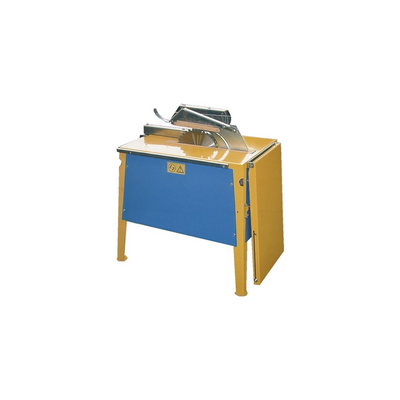
- Circular saw blades and circular saws: cordless, corded and bench-mounted
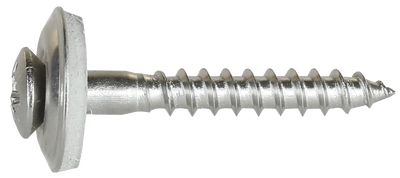
- Wood screws
- Chemical anchors and anchor points
- Professional sealants
- Lifeline accessories, lanyards and energy absorbers
- Helmets and high safety boots
- Batteries and chargers for cordless tools
How to choose
- For work at height, match anchors, lanyards and energy absorbers to the protection system planned for the site.
- Choose blades and screws according to the material: solid timber, panels or mixed structures call for different products.
- Choose staplers and nailers according to how often they are used and the type of staples or nails.
To receive a quote or advice on your choice, write to or call the AMES technicians: they will help you find the right items for your work.
Active filters:
Products in this collection
In your quote
In compare
 In your quote
In compare
 In your quote
In compare
 In your quote
In compare
 In your quote
In compare
 In your quote
In compare
 In your quote
In compare
 In your quote
In compare
 In your quote
In compare
 In your quote
In compare
 In your quote
In compare
 In your quote
In compare
 In your quote
In compare
 In your quote
In compare
 In your quote
In compare
 In your quote
In compare
 In your quote
In compare
 In your quote
In compare
 In your quote
In compare
 In your quote
In compare
 In your quote
In compare
 In your quote
In compare
 In your quote
In compare
 In your quote
In compare
Frequently asked questions: Equipment for Formwork Carpenters
Which stapler or nailer should a carpenter choose?
Staplers and nailers are chosen according to the type of fixing, the length of staples and nails and the material to be fixed. Staples suit formwork, panels and boards, while gun nails are used to fix elements to harder substrates. Check that the machine accepts the size shown on the packaging. Always use safety glasses and follow the manufacturer's instructions for use.
Which blade should I choose for a site circular saw?
The blade is chosen according to the material to be cut, the diameter of the saw and the type of teeth. For construction timber you need blades suited to cross-cutting or rip cutting, depending on the work. The diameter must match the one specified by the saw manufacturer. Before fitting it, check the direction of rotation and that the guard is in position.
Which wood screws should I use in carpentry?
Wood screws are chosen according to the type of wood, length and diameter, in proportion to the thickness of the element to be fixed. In hardwood it is best to pre-drill to avoid splitting. The head must stay flush with the surface, without protruding. For outdoor environments choose screws with an anti-corrosion coating, because moisture attacks untreated ones.
How do I choose chemical anchors for masonry and concrete?
Chemical anchors transfer the load through a resin that hardens in the hole, and are used on different substrates such as concrete and masonry. The choice depends on the diameter of the rod, the depth of the hole and the type of substrate. Clean the hole carefully before inserting the resin, because dust reduces the holding strength. Respect the curing time stated before loading the fixing.
What accessories do I need for a lifeline when working at height?
A lifeline is an anchor system fixed to the structure, to which the operator's fall-arrest system is connected. The accessories include lanyards, energy absorbers and harnesses. The reference European standards are EN 795 for anchor devices, EN 361 for harnesses, EN 355 for energy absorbers and EN 354 for lanyards. Italian Legislative Decree 81/2008 on workplace safety governs work at height and protection obligations.
What should I check on hard hats and shoes before working on site?
The hard hat must meet standard EN 397 and should be replaced if it has suffered a heavy impact or has cracks. Safety shoes must have a toe cap and sole suited to the presence of nails and sharp materials. Check the footwear at the start of each shift, looking at the sole, toe cap and lacing. Worn footwear reduces protection and comfort throughout the day.
Which sealant should I choose for fitting timber and window frames?
Professional sealants are chosen according to the substrate and exposure. Elastic ones absorb joint movement, while polyurethane ones can often be painted after curing. Check compatibility with the material to be sealed and the application conditions stated in the datasheet. For damp environments choose a product suited to that condition, and clean the substrate thoroughly before applying it.
Which site nets should I choose and what are they for?
The nets in this collection have different uses. Safety nets catch people or objects that fall and are fitted below work at height or along perimeters. Dust nets are used for facades and work areas, while lifting nets are designed for transporting loads by crane. The choice depends on the risk to be covered and the anchor points available, and fitting must be done by trained personnel.