
 In your quote
In compare
Equipment for Concrete Workers
537 products
Concrete workers prepare, pour and finish concrete. In this collection you will find formwork, vibrators, screeds and products for working the pour, from preparing the shuttering to finishing the surface, on sites of every size.
What you will find in this collection
- Vibrating screeds and power trowels for concrete, single and double, with their accessories
- Formwork and concrete pouring systems
- Steel-framed formwork
- Concrete vibrators
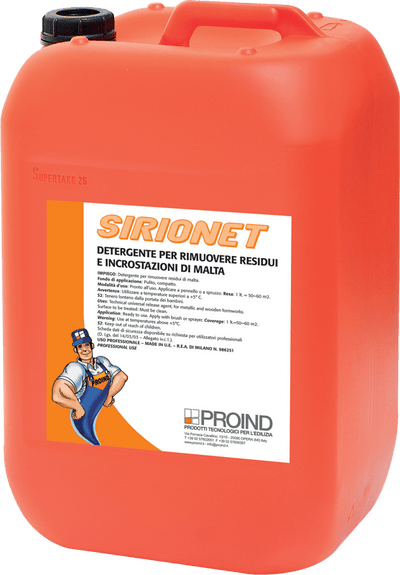
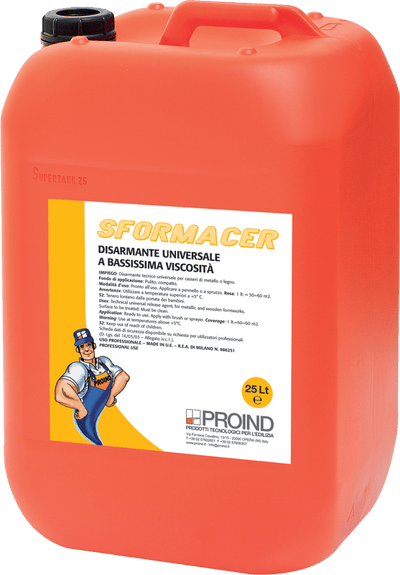
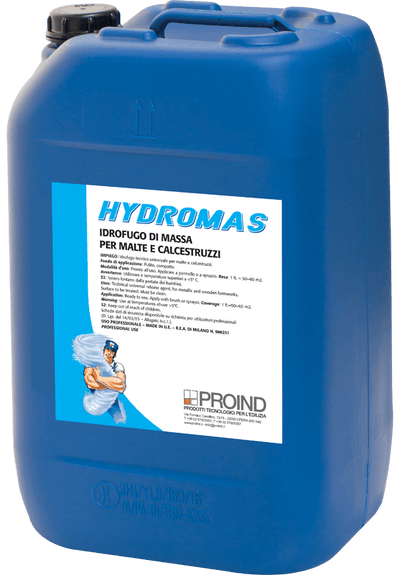
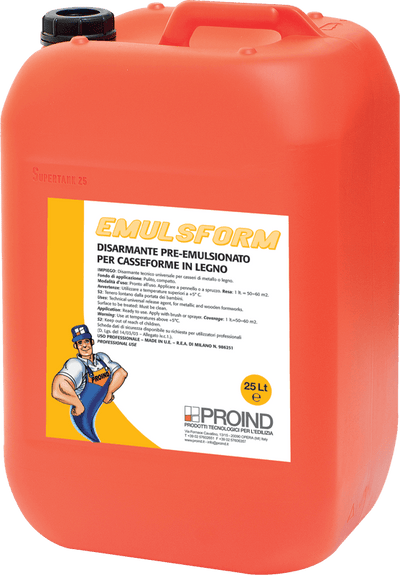
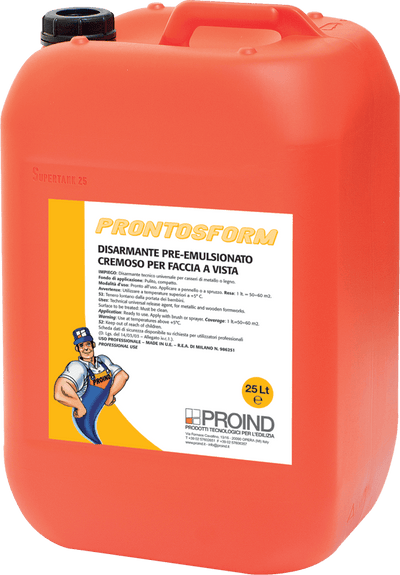
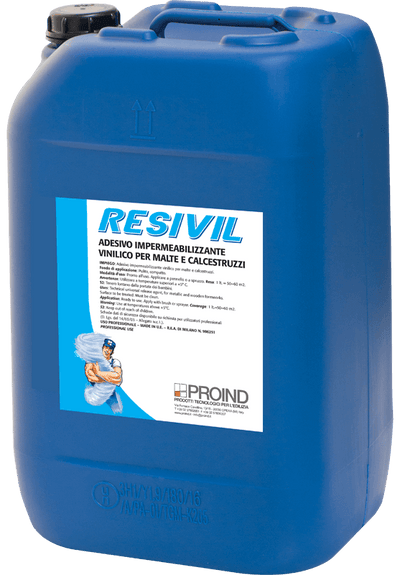
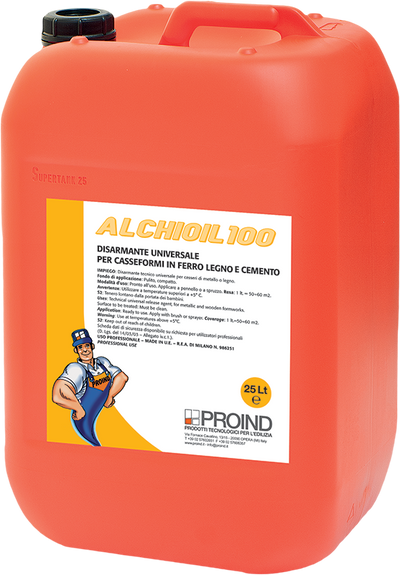
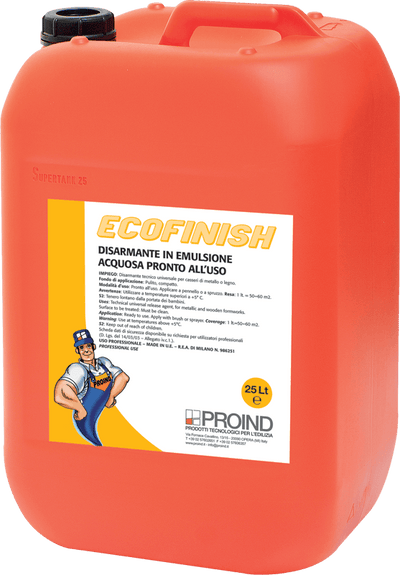
- Release agents and admixtures for concrete and mortar
- Teflon floats
How to choose
- Choose the power trowel according to the surface to be worked: single and double machines are used for different areas.
- To compact the pour properly you need a vibrator suited to the thickness and the reinforcement.
- Use a release agent suited to the type of formwork, so that it comes away more easily once the concrete has hardened.
- For shuttering, consider whether you need modular steel-framed systems, which are better suited to repeated use.
For a quote or advice on making the right choice, write to or call AMES technicians: they will help you find the items suited to your work.
Active filters:
Products in this collection
In your quote
In compare
 In your quote
In compare
 In your quote
In compare
 In your quote
In compare
 In your quote
In compare
 In your quote
In compare
 In your quote
In compare
 In your quote
In compare
 In your quote
In compare
 In your quote
In compare
 In your quote
In compare
 In your quote
In compare
 In your quote
In compare
 In your quote
In compare
 In your quote
In compare
 In your quote
In compare
 In your quote
In compare
 In your quote
In compare
 In your quote
In compare
 In your quote
In compare
 In your quote
In compare
 In your quote
In compare
 In your quote
In compare
Frequently asked questions: Equipment for Concrete Workers
What products does a concrete worker need to prepare and finish a concrete pour?
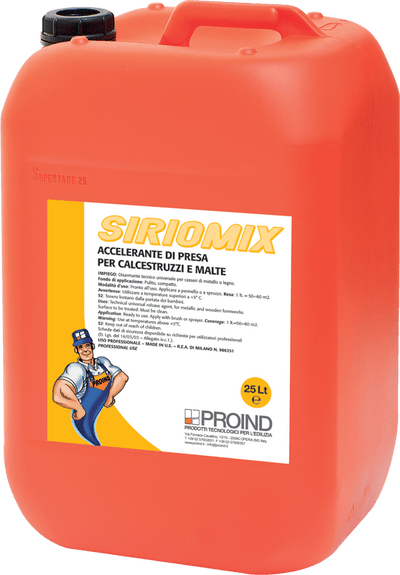
The concrete worker uses formwork and pouring systems, vibrators to remove air bubbles, and power trowels or power floats for finishing. Chemical products include release agents, curing compounds and admixtures such as accelerators, waterproofing admixtures and polypropylene fibres. Aluminium screed rules and mortar spreaders are used to level the mortar. The type of admixture should be chosen according to the result you want and the manufacturer's instructions.
Which release agent should I choose for timber, steel or concrete formwork?
The release agent should be chosen according to the type of formwork and the surface that must remain visible. For timber formwork there are emulsion release agents, while for universal use there are products designed for wood, steel and concrete. For exposed facades, cream release agents are used, designed specifically for exposed surfaces. Apply the release agent before pouring, in a thin, even layer, as stated in the data sheet.
How do I choose a power trowel or power float for finishing concrete?
The choice between a single-rotor and a twin-rotor power trowel depends on the surface to be smoothed. For small or irregularly shaped areas the single-rotor is better, while for large surfaces the twin-rotor works faster. Check that the discs and blades are compatible with the machine and that the motor is suited to the thickness of the pour. Work when the concrete has reached the right consistency, as advised by the technician.
When should I use a concrete vibrator, and how do I use it properly?
The vibrator compacts fresh concrete and removes air bubbles, especially in areas with a lot of reinforcement. It should be inserted vertically into the pour at regular intervals, without touching the formwork or the bars. Do not hold it in one spot for too long, to avoid segregation of the mix. The vibrator produces vibrations: use it with breaks and follow the provisions of D.Lgs. 81/2008 (the Italian Legislative Decree on workplace safety).
What is an anti-evaporation curing compound and how do I apply it to concrete?
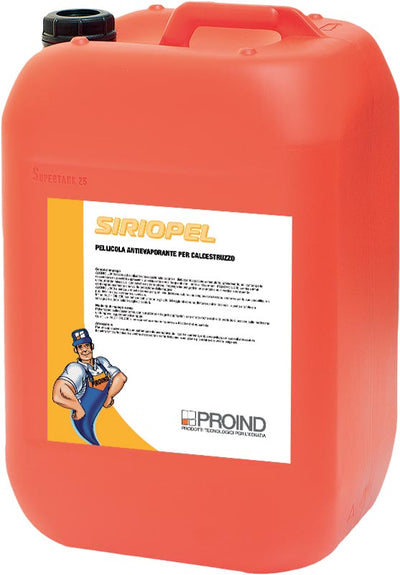
An anti-evaporation curing compound forms a film that reduces the evaporation of water from the freshly poured surface. It helps the concrete cure with less risk of shrinkage cracking, especially in hot or windy weather. It is applied by spray or roller immediately after finishing, following the manufacturer's dosage. Do not use it on surfaces that will be painted or bonded without checking compatibility.
Which polypropylene fibres or admixtures should I choose for mortars and concretes?
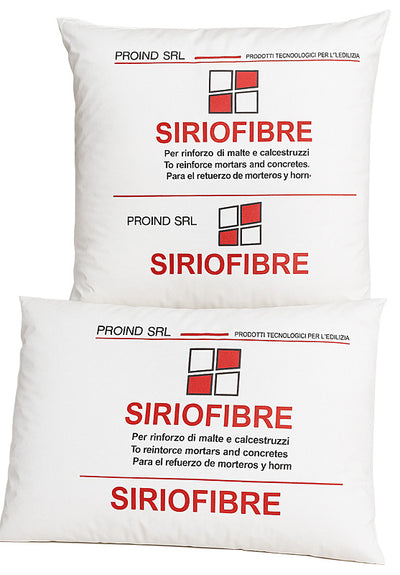
Polypropylene fibres are added to the mix to reduce cracking in mortar and concrete pours. Integral waterproofing admixtures and acrylic or vinyl adhesives change the properties of the mix, each for a different result. Choose the admixture according to the application and always follow the dosage and order of addition given by the manufacturer. Admixtures do not replace a correct mix and proper curing.
Who uses concrete worker equipment, and for what work?
It is used by concrete workers, bricklayers, building firms and technicians who pour foundations, floors, pavements and concrete structures. It is needed for formwork, pouring, compaction, finishing and curing. For sites of different sizes it is best to plan in advance the volume of the pour, the number of people and the finishing equipment needed.