
 In your quote
In compare
Equipment for Restorers
799 products
This collection is designed for those who restore and refurbish existing buildings and surfaces: cleaning, protection, consolidation and finishing. It includes products from brands such as Kimia, Chemical Roadmaster, Fervi, Dantherm Group, Unifix and Faren.
What the collection includes
- Chemical surface protectors and waterproofing products
- Cement mortars, lime and pozzolanic hydraulic limes
- Structural reinforcement systems FRP and FRCM
- Structural adhesives and fixing connectors
- Sandblasting equipment and spare parts
- Dehumidifiers and heat pumps
- Abrasive sheets, rolls and pads for manual use
- Paints and varnishes for wood and for iron and metal
How to choose
- Choose mortars and limes that are compatible with the materials already present in the structure.
- If the masonry is damp, consider dealing with the damp before applying protective coatings or finishes.
- To clean a delicate surface, test the sandblasting on a small area first.
- For structural consolidation, leave the choice of system to a qualified engineer.
For a complete supply list, or for advice on matching tools and materials, request a quote from AMES technicians.
Active filters:
Products in this collection
In your quote
In compare
 In your quote
In compare
 In your quote
In compare
 In your quote
In compare
 In your quote
In compare
 In your quote
In compare
 In your quote
In compare
 In your quote
In compare
 In your quote
In compare
 In your quote
In compare
 In your quote
In compare
 In your quote
In compare
 In your quote
In compare
 In your quote
In compare
 In your quote
In compare
 In your quote
In compare
 In your quote
In compare
 In your quote
In compare
 In your quote
In compare
 In your quote
In compare
 In your quote
In compare
 In your quote
In compare
 In your quote
In compare
 In your quote
In compare
Frequently asked questions: Equipment for Restorers
What products do I need to restore and refurbish existing surfaces?
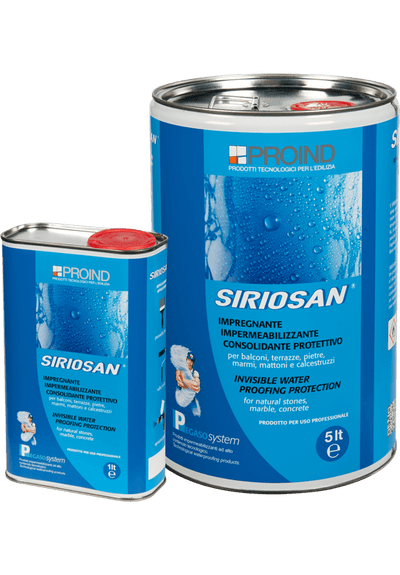
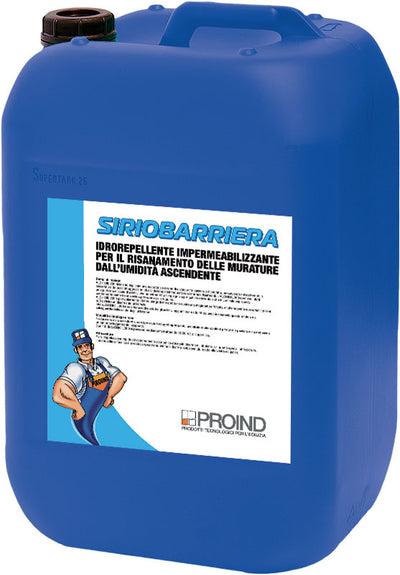
Restoration covers cleaning, protection, consolidation and finishing. The collection includes consolidating impregnating agents for concrete and stone, water repellents for masonry against rising damp, lime-based mortars and tools such as mallets, gouges and nail pullers. Crack gauges are also available for monitoring existing cracks. Before starting work, assess the substrate: its material, state of preservation and the causes of deterioration.
Which water repellent should I choose for masonry with rising damp?
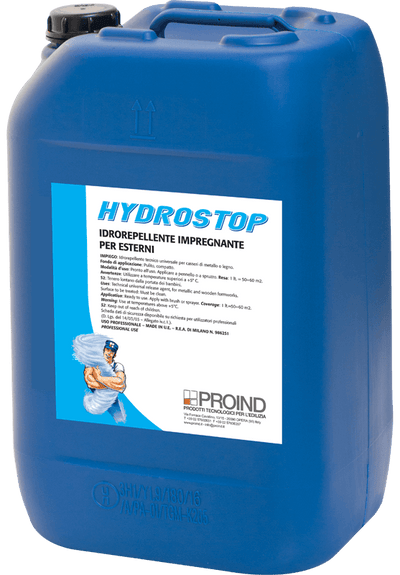
For rising damp you need waterproofing water repellents designed for masonry, which differ from the exterior impregnating treatments made for wood and facades. The product works on the capillaries of the material and reduces water absorption. Before choosing, identify the cause of the damp, because a surface treatment will not fix a drainage or water ingress problem.
How do I apply consolidating impregnating agents on concrete and stone?
A consolidating impregnating agent penetrates the substrate and strengthens its surface, whereas a water repellent protects it from water. Apply it to a clean, dry surface, following the manufacturer's dosage and timing, by brush, roller or spray. Wear chemical-resistant gloves and goggles, and keep the safety data sheet required by the CLP Regulation.
Which router bit or drill should I choose for wood restoration?
Wood restoration calls for router bits with a shank that suits the router and multifunction drills with accessories. For example, the set of 6 router bits with 6 mm shank needs a machine with a 6 mm collet. Choose the bit diameter according to the profile you want to produce. For delicate areas it is best to work at reduced speed with light passes, to avoid burning or chipping the wood.
How do I remove paint and residues from wood with a heat gun?
A heat gun softens paint and residues so they can be removed with a scraper without using harsh solvents. Adjust the temperature to the type of paint and keep the air moving so the wood does not overheat. Do not use it near flammable materials, and let the tool cool down before putting it away.
Which nail pullers and mallets should I use to restore antique furniture?
Antique furniture calls for small, low-impact tools: wooden mallets for striking without marking, nail pullers for removing nails without damaging the substrate, and gouges and bush hammers for precision work. The catalogue has nail pullers for upholsterers, shoemakers and tacks, each with a different shape. The shape of the head determines the grip, so choose according to the job.
Who uses restorer equipment, and for what work?
It is used by restorers, building renovation contractors, joiners and technicians who refurbish existing buildings. It is needed to clean facades, consolidate stone and concrete, protect wood from woodworm, polish metals and finish surfaces. For listed buildings or buildings of special architectural value, it is best to ask a specialist for an assessment before choosing products and tools.