
 In your quote
In compare
Equipment for Health and Safety Officers
3036 products
This collection is for those who manage safety on site and in the company: personal protective equipment, fall arrest systems, signage and collective protection. It includes items from brands such as Portwest, Neri, Irudek, Petzl, Sisas, SpanSet and CSC Edilizia.
What the collection contains
- Multi-standard clothing and personal protection
- Helmets, safety glasses, masks and face shields
- Ear defenders and ear plugs for hearing protection
- Masks for dust and gas
- Harnesses, lanyards and energy absorbers, anchors and rope devices
- Lifeline accessories
- Industrial marking and signage, temporary signage systems
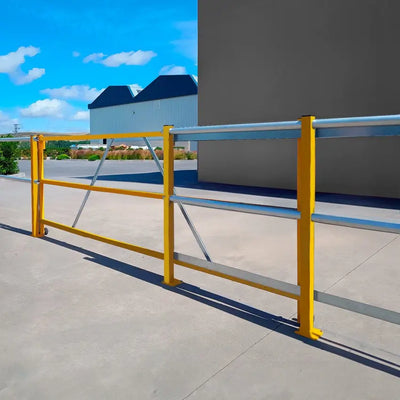
- Temporary guardrails in galvanised steel
- Hand torches and wearable lights
How to choose
- Always start from the risk assessment: devices are chosen according to the work being carried out.
- In fall arrest systems, the harness, lanyard and anchor must be compatible with one another.
- For noise and dust, check that ear defenders and masks are suited to the real situation.
- For temporary work areas, provide signage and collective protection before PPE.
To define the equipment for a site or department, request a quote from the AMES technicians.
Active filters:
Products in this collection
In your quote
In compare
 In your quote
In compare
 In your quote
In compare
Svelt
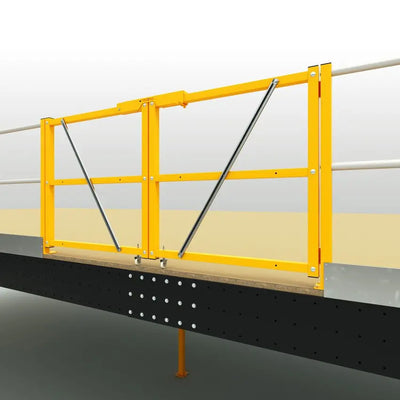
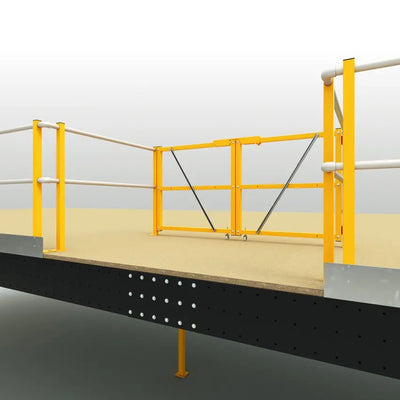
Double-leaf gate with safety zone for mezzanines Svelt
Code cancello-a-doppio-battente-zona-di-sicurezza
 In your quote
In compare
Svelt
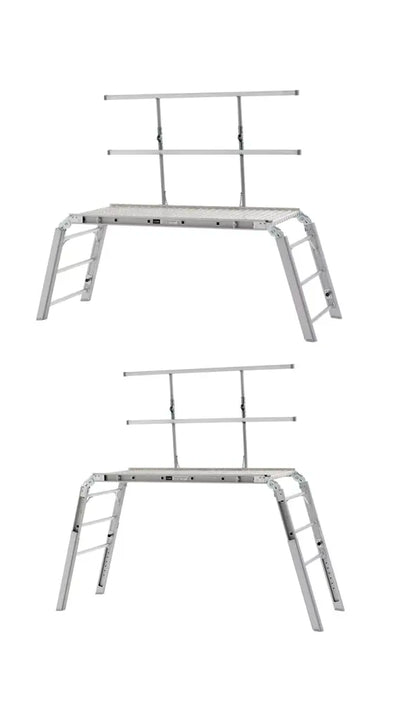
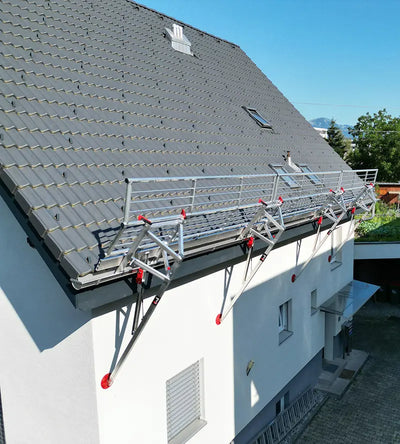
Foldable rescue platform for firefighters Svelt
Code piattaforma-di-soccorso-per-vigili-del-fuoco
 In your quote
In compare
 In your quote
In compare
Svelt
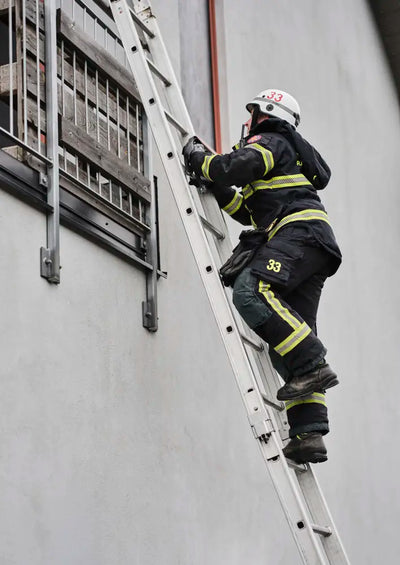
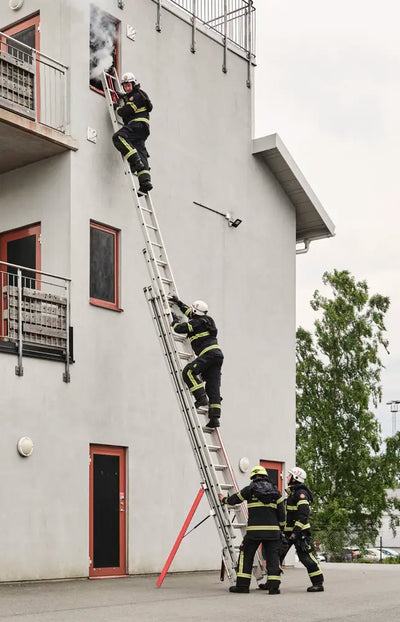
Modular multi-position ladder for firefighters Svelt
Code scale-componibili-multiposizione-per-vigili-del-fuoco
 In your quote
In compare
Svelt
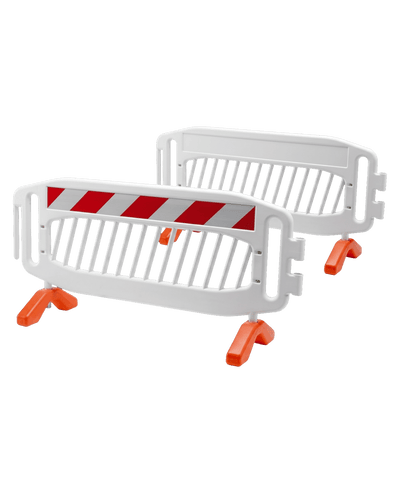
Extension ladder with rope for firefighters Svelt
Code scale-a-sfilo-con-fune-per-vigili-del-fuoco
 In your quote
In compare
 In your quote
In compare
 In your quote
In compare
 In your quote
In compare
 In your quote
In compare
 In your quote
In compare
 In your quote
In compare
 In your quote
In compare
 In your quote
In compare
 In your quote
In compare
 In your quote
In compare
 In your quote
In compare
 In your quote
In compare
 In your quote
In compare
 In your quote
In compare
 In your quote
In compare
 In your quote
In compare
Frequently asked questions: Equipment for Health and Safety Officers
Which PPE (personal protective equipment) is needed on a building site and how is it chosen?
PPE (personal protective equipment) is chosen according to the risk assessment of the work, and the employer must provide it to those who use it. Italian Legislative Decree 81/2008 on workplace safety governs PPE in Title III and requires it to be suitable, maintained and used correctly. Every item of PPE must carry the CE marking and the reference standard. Training on use and maintenance is part of the obligation.
Which glasses and visors should I use for eye protection on a building site?
Protective glasses and visors must meet standard EN 166. The choice depends on the risk: splashes, dust, fragments or radiation call for different protection. Visors protect the whole face during grinding or cutting, while wraparound glasses protect against dust. Replace scratched lenses, because they reduce visibility and safety.
Which dust and gas mask should I choose?
Dust and gas masks are chosen according to the type of contaminant and its concentration. FFP dust masks are regulated by standard EN 149, and the class FFP1, FFP2 or FFP3 indicates the level of filtration. For gases you need specific filters, matched to the substance present. The mask must fit the face well, and the fit check must be repeated every time it is put on.
How do I choose a harness for work at height?
The harness is chosen according to the type of work and standard EN 361. For safety at height you also need lanyards complying with EN 354 and energy absorbers complying with EN 355, to be matched to the anchor point. The harness must be worn with the straps adjusted and checked before every use. Whoever uses it must be trained on the complete system.
Which hard hat should I use on a building site and when should it be replaced?
The site hard hat must meet standard EN 397. It must be replaced if it has suffered a heavy impact, if it has cracks or if it has expired according to the date indicated by the manufacturer. Do not apply stickers or drill holes that alter the structure. The adjustment of the inner band must suit the head of the wearer, for a stable fit.
How do I mark a danger area on a building site?
Safety signs and collective protective equipment serve to indicate hazards and mark off work areas. Title V of Italian Legislative Decree 81/2008 on workplace safety governs safety signs. The sign is chosen according to the type of hazard and positioned where it is clearly visible. Collective protective equipment, such as barriers and guardrails, must be provided for in the risk assessment.
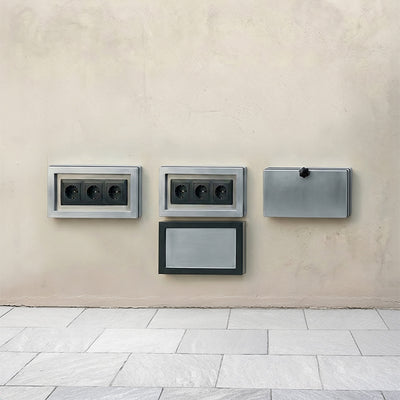
How do I protect outdoor electrical sockets from flooding?
Flood protection covers for outdoor sockets, in stainless steel and round, rectangular or square in shape, close the socket when water threatens the system. The shape should be chosen according to the socket to be protected. Installation must ensure the cover stays stable and the cable is not crushed. The technician checks that the covers are compatible with the system and with the risk in the area.