
 In your quote
In compare
Equipment for Heating and Plumbing Engineers
2543 products
This collection brings together tools, accessories and components for those who work on plumbing and heating systems: drilling and core drilling, pumps, fittings and water treatment. It includes items from brands such as DeWalt, Fervi, Wortex, Fischer, Milwaukee, Makita and Sea Technology.
What the collection includes
- Hole saws and hole cutters, also TCT or diamond
- Drill bits for granite, masonry and concrete and bits with SDS Max shank
- Core drilling equipment and electric core drills
- Pumps for clean water
- Plumbing tools
- Galvanised fittings and water accessories
- Water treatment
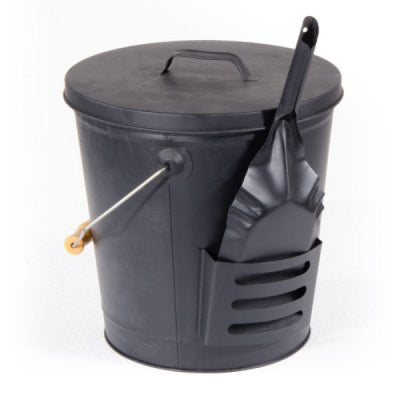
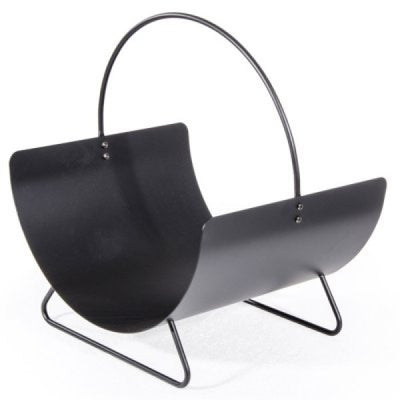
- Stoves and accessories
- Wall brackets for structural steelwork
How to choose
- Choose hole saws and drill bits according to the material to be drilled and the diameter of the opening.
- For large holes in masonry, consider core drilling rather than percussion drilling.
- For pumps, consider the liquid to be moved and the quantity of water required by the system.
- Check the tool's shank: it must be compatible with the drill or core drill.
For a complete supply list, or for advice on matching tools and materials, request a quote from AMES technicians.
Active filters:
Products in this collection
In your quote
In compare
 In your quote
In compare
 In your quote
In compare
 In your quote
In compare
 In your quote
In compare
 In your quote
In compare
 In your quote
In compare
 In your quote
In compare
 In your quote
In compare
 In your quote
In compare
 In your quote
In compare
 In your quote
In compare
 In your quote
In compare
 In your quote
In compare
 In your quote
In compare
 In your quote
In compare
 In your quote
In compare
 In your quote
In compare
 In your quote
In compare
 In your quote
In compare
 In your quote
In compare
 In your quote
In compare
 In your quote
In compare
 In your quote
In compare
Frequently asked questions: Equipment for Heating and Plumbing Engineers
Which pipe cutter should I choose for plastic and copper pipes?
The wheel pipe cutter cuts plastic and copper pipes cleanly, without producing chips as a saw does. The diameter range, for example from 3 to 35 mm, shows which pipes it can cut. Rotate the cutter one turn at a time and tighten the wheel a little at a time, so as not to crush the pipe.
How do I choose a pressurisation kit for a water system?
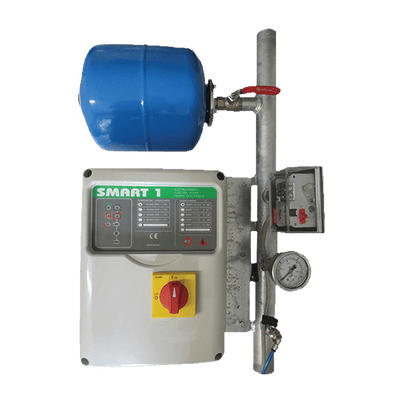
The kit with an 8 litre diaphragm tank and electronic control panel helps keep the water pressure in the system more constant. The tank volume should be chosen according to the pump flow rate and the size of the system. Check the pre-charge pressure of the tank before commissioning, as indicated by the manufacturer.
When do you need a single-phase inverter for a pump?
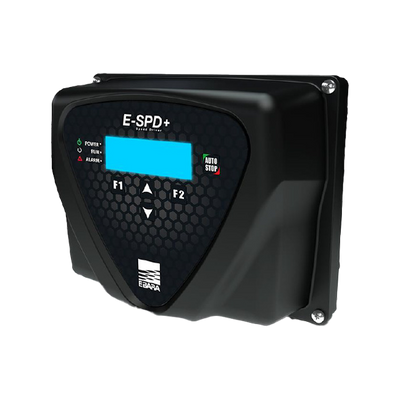
A single-phase inverter regulates the speed of the pump motor and helps keep the pressure more stable. It must be sized to the pump power, for example up to 1.5 kW in this model. The electrical connection must be carried out by a qualified installer, in compliance with current regulations.
Which float switch should I choose for a sump or a tank?
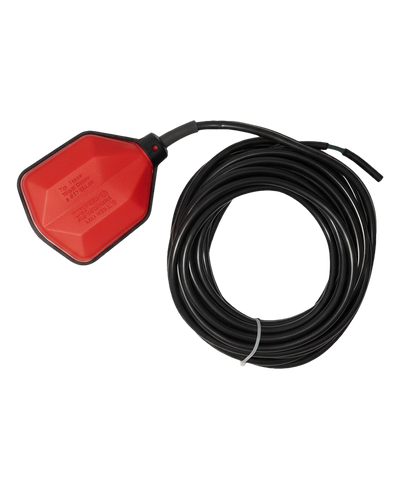
The float switch level regulator starts and stops the pump when the water level is reached. A cable of suitable length, such as the 5 metres of the GAL5 model, must be run from the installation point to the control panel. Choose the float according to the depth of the tank and the pump connected.
What is an alarm device for lifting stations used for?
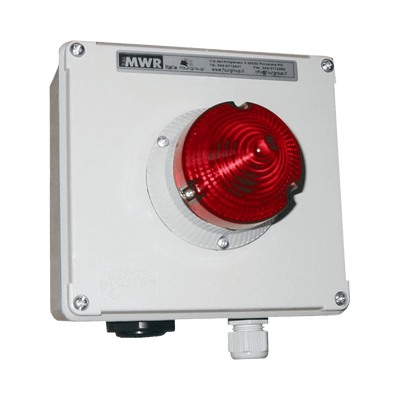
The audible and visual alarm device signals a fault in the lifting station, such as a level that is too high or a breakdown, before the water causes damage. It must be connected to the system control panel and installed in a visible and audible position. Check periodically that the signal works.
Which fan heater or electric convector heater should I choose?
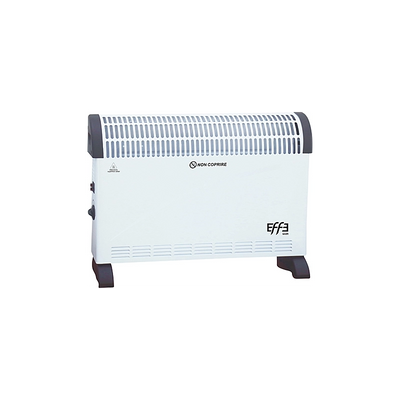
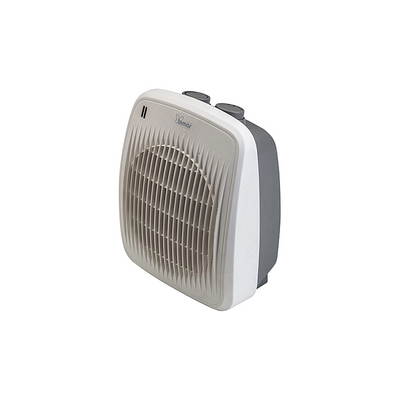
The 2000 W fan heater with room thermostat provides quick heating in small and medium-sized rooms. The convector heater with three power settings lets you adjust the heat more gradually. Check the IP protection rating, such as the IP21 stated for the fan heater, and choose according to where it will be used.
Which safety distances should I observe with stove pipes?
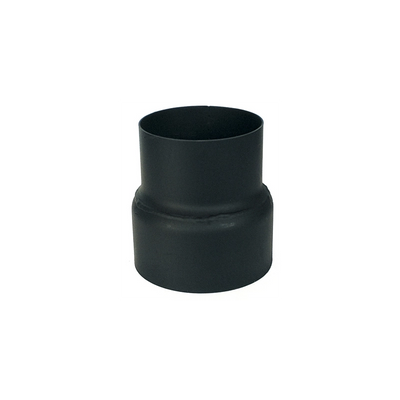
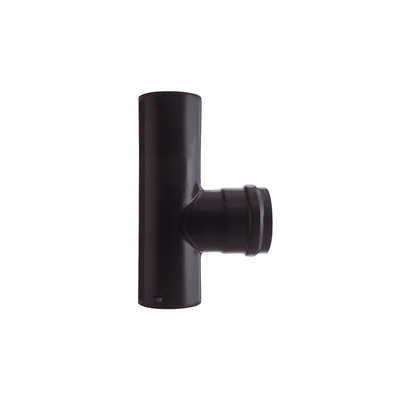
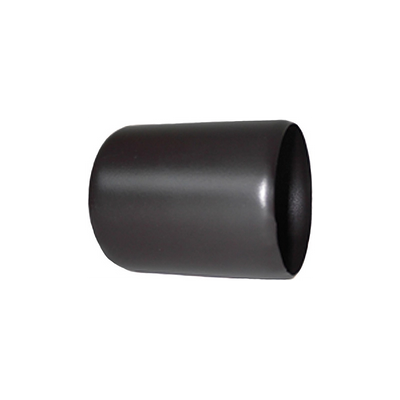
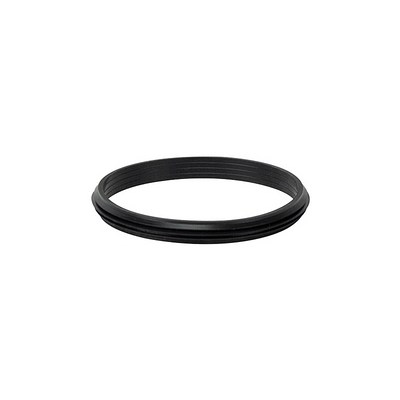
Stove pipe components, such as collars, T-pieces and reducers, must be fitted observing the distances from combustible materials indicated by the stove and pipe manufacturer. Silicone rubber gaskets must be chosen according to the maximum temperature stated on the data sheet. Inspect the pipe periodically and follow the local regulations on flues.
Who uses this equipment and where?
It is used by plumbing and heating engineers and by installers of water and heating systems, for drilling, core drilling, pumps and fittings. The work takes place on renovation sites, in private homes and in commercial buildings. System installations are regulated by Italian Ministerial Decree (DM) 37/2008 on the installation of systems in buildings, which should be borne in mind on every job.