
 In your quote
In compare
Fixing Connectors
11 products
Fixing connectors join structural elements together, for example a floor and its concrete topping, or strengthen existing floors. They are used in building, in structural strengthening and in renovations, where forces must be transferred safely between different materials.
Types in the collection
- Connectors for composite floors, which bond the concrete slab to the structure beneath.
- Anti-spalling systems for brick-and-concrete floors, which hold the clay blocks in place and reduce the risk of detachment.
- Tassel connectors with steel fabrics and the relevant anchors for strengthening.
The brands included are Kimia and Fischer.
How to choose
The choice depends on the type of floor or masonry, the substrate into which it is fixed and the forces to be transmitted. Check the manufacturer's data sheets and, in structural applications, rely on the design of the appointed engineer, who specifies the number and position of the connectors.
AMES works by quotation: tell us the quantities, dimensions and intended use and we will suggest the most suitable solution, with availability and delivery times.
Active filters:
Products in this collection
In your quote
In compare
 In your quote
In compare
 In your quote
In compare
 In your quote
In compare
 In your quote
In compare
Kimia
Anti-spalling connection system for clay block and concrete floor slabs Kimitech ASF Kimia
Code Kimitech ASF
 In your quote
In compare
 In your quote
In compare
 In your quote
In compare
 In your quote
In compare
 In your quote
In compare
 In your quote
In compare
Frequently asked questions: Fixing Connectors
What are connectors for composite floors used for?
Connectors for composite floors bond the concrete slab to the structure beneath it, so that they work together under load. They are used in construction and refurbishment when a floor is being reinforced or rebuilt. The collection includes the Fischer CSC 45 composite floor connector. Sizing is the responsibility of the structural designer.
What do anti-ceiling-collapse systems for clay-block and concrete floors do?
Anti-ceiling-collapse systems hold the blocks of a clay-block and concrete floor in place and reduce the risk of pieces of clay block coming away from the ceiling. They are used in refurbishments, when the floor shows cracking or detachment, and in checks on older buildings. The titles include the Kimia Kimitech ASF system. The work should be assessed by a professional who checks the condition of the floor.
What are tassel-type steel fabric connectors used for?
Tassel-type connectors with steel fabrics are used to join different elements in existing structures, for example in strengthening work. The collection includes the Kimisteel systems, with polypropylene anchor plugs, stainless steel fixing plates and T-connectors. The correct type depends on the substrate and the strengthening design, to be checked with a professional.
What is the difference between helical bars, an anchor plate and a T-connector?
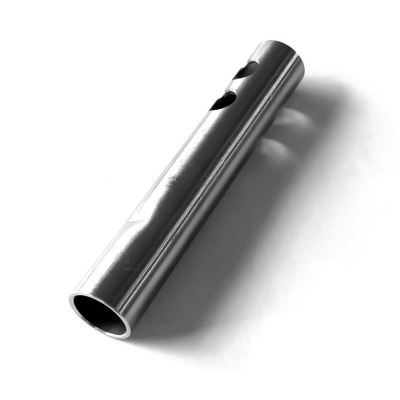
The stainless steel helical bars are fixed into the substrate and anchored with the Kimisteel INOX X-CAP fixing plate. The AISI 304 stainless steel T-connector, the X-T model, is used to join the helical bars together, along with the tubular element from the same range. The components must be used as a system, that is, with the parts specified by the same manufacturer.
Which components are needed for a tassel connection system?
A tassel system generally needs several components: the anchor plug, the connector and the plate or tubular element, which must be compatible with each other. The collection includes the Kimisteel IC anchor plug and the Kimia polypropylene anchor plug for tassel systems. Before buying, compare the codes on the technical sheet and ask the supplier for confirmation.
Do I need a structural calculation to use these connectors?
Yes, sizing a connector or a strengthening system depends on loads, materials and geometry, and must be done by a designer in accordance with the Italian Technical Standards for Construction, NTC 2018. The retailer can help you choose the product family, but does not replace verification by a qualified professional. Do not choose a connector by size or appearance alone: the load capacity must be checked against the official documentation.
Who uses fixing connectors, and for what jobs?
Designers, building contractors, strengthening specialists and craftsmen working on floors and existing structures use them. They are used in refurbishments, in reinforcing clay-block and concrete floors, in composite concrete pours and in anchoring work where connections between different materials are needed. The choice is always made on the basis of the design and the actual substrate.