
 In your quote
In compare
40 ft Containers
19 products
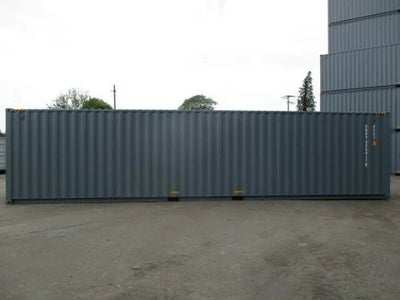
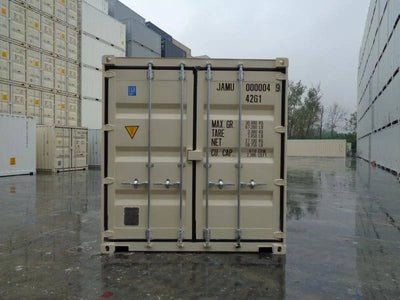
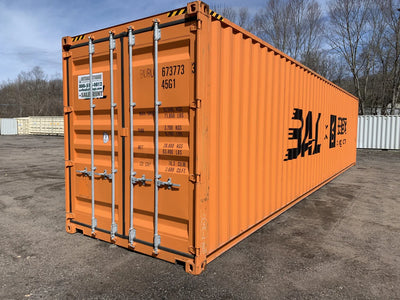
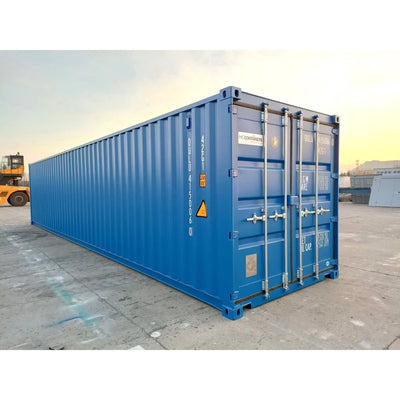
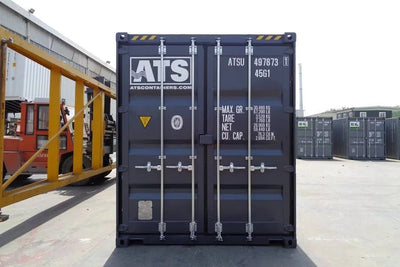
The 40 ft container, about 12 metres long, is the largest of the most common shipping container sizes and offers the greatest volume for storage, long goods and large spaces. The brand included is Garico Box.
Types in the collection
- 40 ft shipping containers, new or used, in standard or High Cube versions.
- Open Top containers, with an openable roof for tall loads or loads to be loaded from above.
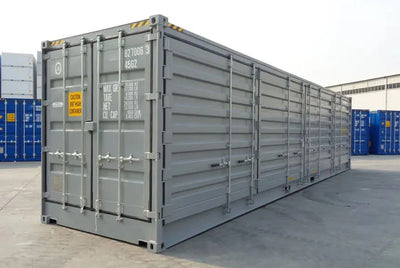
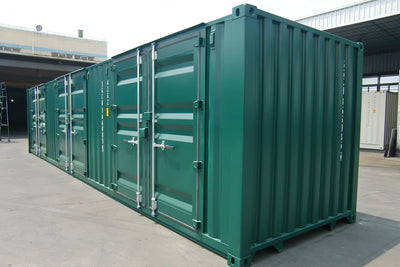
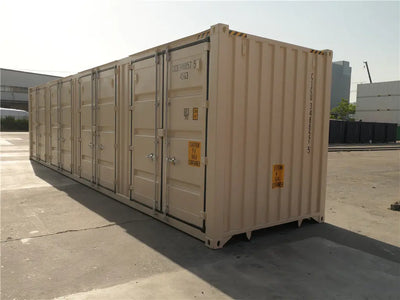
- Versions with side openings, to access the contents from several points.
Shipping containers have a steel structure and standard ISO dimensions, and approved ones carry the CSC plate. This makes them strong, stackable and easy to transport by lorry or crane.
How to choose
Check that the placement area is large and easily accessible, because for this size the transport vehicle needs room to manoeuvre. Then decide between standard height and High Cube, between new and used, and which type of opening your load requires.
AMES works on a quotation basis: tell us the quantity, dimensions and intended use and we will recommend the most suitable solution, with availability and delivery times.
Active filters:
Products in this collection
In your quote
In compare
 In your quote
In compare
 In your quote
In compare
 In your quote
In compare
 In your quote
In compare
 In your quote
In compare
 In your quote
In compare
 In your quote
In compare
 In your quote
In compare
 In your quote
In compare
 In your quote
In compare
 In your quote
In compare
 In your quote
In compare
 In your quote
In compare
 In your quote
In compare
 In your quote
In compare
 In your quote
In compare
 In your quote
In compare
 In your quote
In compare
Frequently asked questions: 40 ft Containers
What size is a 40-foot container?
The 40-foot container is about 12 metres long and is the largest of the most common shipping container formats. It offers the maximum volume for storage, long goods and large spaces. Product titles include standard and High Cube versions, new and used, with different doors, openings or open roof.
40-foot container standard or High Cube?
The High Cube is taller than the standard model and offers more usable volume, useful for bulky loads and for fit-outs that require height. The standard is sufficient for compact loads and for those who do not need extra height. Product titles include both, also in colours such as RAL 5010 or blue. Compare the internal height on the data sheet.
Open Top or Flat-Rack container: what are they used for?
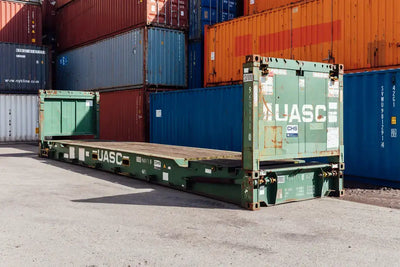
The Open Top container has an open roof and is designed for tall loads or loads to be lowered in from above with a crane. The Flat-Rack has no side walls and is used for out-of-gauge or particularly heavy goods. Product titles include a used High Cube Flat-Rack and a High Cube Open Top. Check the type of load before choosing.
Container with six doors or hard top: when is it needed?
The container with six doors offers more access points to the load, useful for taking goods from different sides or for organising storage. The hard top protects the contents from rain and from stresses from above, with no need for tarpaulins. Product titles include both solutions, to be chosen according to the use and the access needs.
Used 40-foot container: what should you check?
A used container may have corrosion, worn seals, a damaged floor or doors that are hard to close. Check the structure, the door seal, the floor and the welds. Product titles include used containers in good condition and used High Cube ones, but a direct inspection remains the safest way to decide.
40-foot container for long goods: which version?
For long goods, internal length matters, which in the 40-foot is much greater than in the 20-foot. For loading from the side or from above, the versions with side doors or Open Top can help. Check the internal dimensions and the maximum weight on the data sheet, because they also affect lifting and transport.
Side opening on a 40-foot container: how many accesses?
Product titles include High Cube containers with one side door, with a double door and with two side doors. More openings give access to the load from several points and make handling easier. Assess how many openings you need based on how you want to organise storage, and check that the structure remains sound after any modification.
How do you position a 40-foot container safely?
The container must be placed on level, load-bearing ground, with suitable supports. Lifting must be carried out with suitable equipment and slings, by trained personnel, keeping the area clear. Once placed, check that it is stable and that the doors open and close without obstruction.