
 In your quote
In compare
Sanitary Containers
16 products
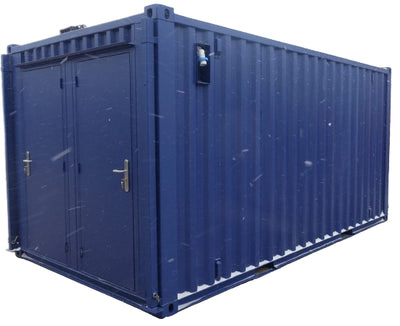
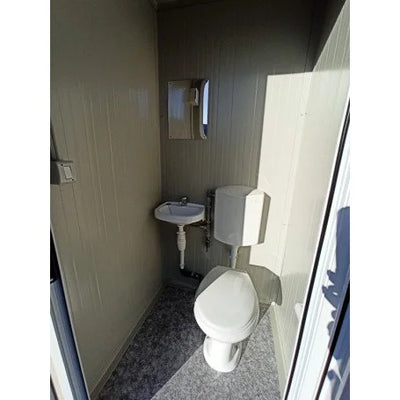
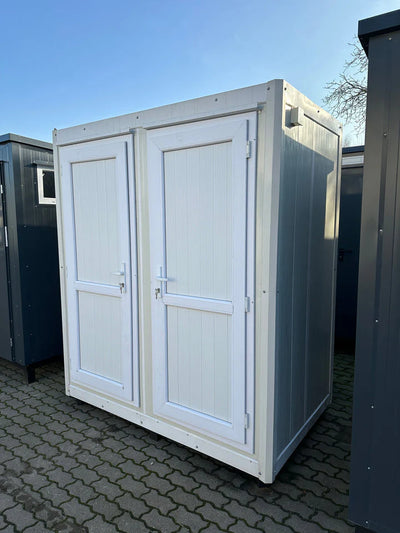
Sanitary containers are prefabricated modules housing toilets and washbasins for building sites, events, businesses and work areas. The brand included is Garico Box.
Types in the collection
- 10 ft sanitary modules, with WC and washbasin.
- Accessible bathrooms for people with reduced mobility, with an entrance ramp.
- Modules with different cladding, including wood effect, for a more refined look.
The module arrives complete and only needs to be connected to the water supply and drainage, in a shorter time than a brick-built room.
How to choose
Consider the number of people who will use the facility and whether you need an accessible bathroom. Check that water and drainage connections are available on site, and the internal fittings (WC, washbasin). Also ask whether the module is new and how it is delivered.
AMES works on a quotation basis: tell us the quantity, dimensions and intended use and we will recommend the most suitable solution, with availability and delivery times.
Active filters:
Products in this collection
In your quote
In compare
 In your quote
In compare
 In your quote
In compare
 In your quote
In compare
 In your quote
In compare
 In your quote
In compare
 In your quote
In compare
 In your quote
In compare
 In your quote
In compare
 In your quote
In compare
 In your quote
In compare
 In your quote
In compare
 In your quote
In compare
 In your quote
In compare
 In your quote
In compare
 In your quote
In compare
Frequently asked questions: Sanitary Containers
What are sanitary containers used for?
They are prefabricated modules with a WC and washbasin, used where there are no permanent toilet facilities: building sites, events, companies and temporary work areas. They arrive already complete and only need connecting to the water supply and drain. The main advantage is the speed of installation compared with a room built in masonry, with shorter installation times.
What sanitary container configurations are available?
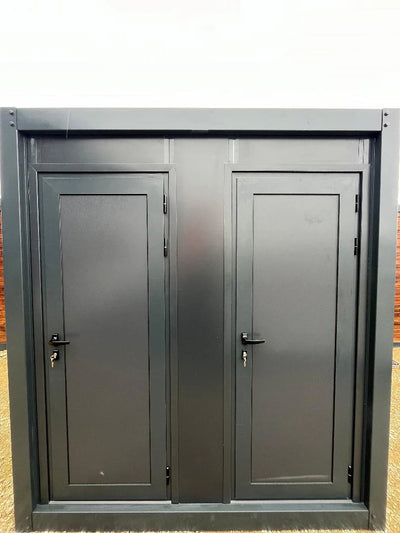
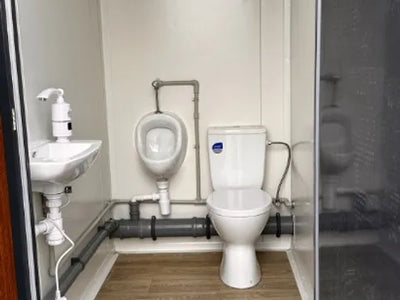
Variants differ in size and fittings: 10-foot modules with a WC and washbasin, versions with a shower, multi-cabin modules such as the three-cabin pavilion type, up to shower containers of about 6 metres. From the product name, such as WC plus washbasin plus shower, you can see the fittings straight away. Compare the footprint and the number of fixtures.
How many toilets are needed for a building site or an event?
The number of WCs, washbasins and showers depends on how many people will use them and how long the work lasts. There is no single value valid everywhere: local rules and site regulations must be taken into account. For large shifts or events with a big crowd, a module with several cabins is better, so queues stay short.
Are there container toilets accessible to people with reduced mobility?
Yes. There are modules designed for people with reduced mobility, with an entrance ramp and interior space sized for wheelchair use. Some versions say so in the product name, for example the variant with WC and ramp. Before choosing, check the slope of the ramp and the available manoeuvring space.
What connections are needed to install a sanitary container?
The module must be connected to the water supply for water, to the sewer drain or to a collection tank in versions that include one, and to the mains electricity if a water heater and lighting are needed. The connections must be planned before the module arrives, with the site manager or a qualified installer. When requesting a quote, ask which connections are already provided for.
How do I keep a sanitary container in good condition?
It should be cleaned regularly, using detergents suitable for the surfaces, and checked often for leaks, slow drains and flush operation. If there is a tank, it must be emptied and checked according to the supplier's instructions. Keep a log of interventions and a contact for reports, so faults do not stay open for long.
Where are sanitary containers used besides building sites?
They are also used for trade fairs, outdoor events, parties, service areas, temporary sports facilities and plants with outdoor operations. In these cases the choice depends on the expected audience and the duration. A module can stay on site for months or only a few days, and this affects the supporting base and the connections to be provided.