
 In your quote
In compare
Fountains and Outdoor Sinks
540 products · Absorbents, Buckets and Water Treatment
Garden fountains, sinks and washing troughs for having water close at hand in outdoor spaces: private gardens, terraces, courtyards and green areas.
Types in the collection
- Column fountains with basin, freestanding for positioning in the garden (Bonfante, Verdelook).
- Wall fountains in cast iron or aluminium, with tap and basin (Vigor, Verdelook).
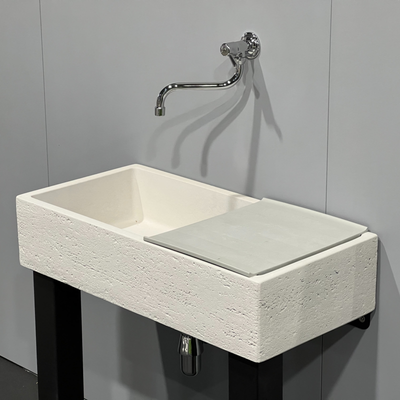
- Basins and sinks in reconstituted stone, including with chrome accessories.
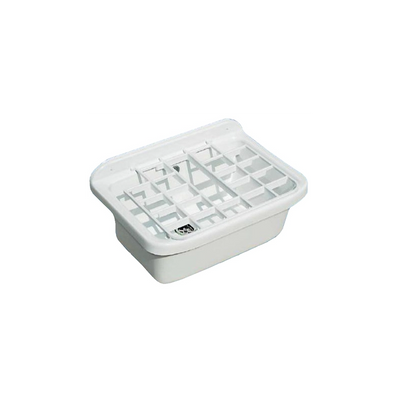
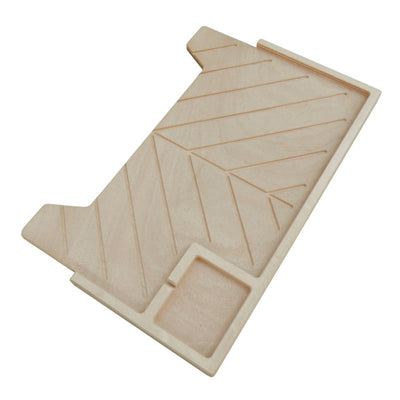
- Washing troughs and accessories, such as the wooden washboard for troughs.
How to choose
First decide on the position: wall-mounted or freestanding in the garden. Then the material: stone and cast iron are sturdy and heavy, aluminium is lighter. The water connection, the drain and the overall dimensions must be checked.
Before buying, plan where the water comes in and where it will be drained, and remember that outdoor fountains must be protected from frost by emptying the system in winter. Stone or cast iron fountains are very heavy and need a solid base.
For models and delivery, write to or call AMES: the supply is arranged by quotation.
Active filters:
Products in this collection
In your quote
In compare
 In your quote
In compare
 In your quote
In compare
 In your quote
In compare
 In your quote
In compare
 In your quote
In compare
 In your quote
In compare
 In your quote
In compare
 In your quote
In compare
 In your quote
In compare
 In your quote
In compare
 In your quote
In compare
 In your quote
In compare
 In your quote
In compare
 In your quote
In compare
 In your quote
In compare
 In your quote
In compare
 In your quote
In compare
 In your quote
In compare
 In your quote
In compare
 In your quote
In compare
 In your quote
In compare
 In your quote
In compare
 In your quote
In compare
Frequently asked questions: Fountains and Outdoor Sinks
How do you choose a garden fountain: pedestal or wall-mounted?
A pedestal fountain with basin stands freely in the garden, at the centre of a path or lawn, and needs space around it to be seen from several sides. A wall fountain is fixed to a wall and saves space, but needs a sound wall and a water supply point. First consider the position, then the weight of the material and how close it is to a tap or a filling pipe.
Cast iron, aluminium or reconstituted stone: which material for an outdoor fountain?
Cast iron and reconstituted stone are sturdy and heavy, so stable but harder to move and fix. Aluminium is light and easy to move, although the paint finish must be checked to withstand the weather. For an outdoor fountain, check the datasheet for outdoor-use instructions and the surface finish.
What is the difference between a waste outlet, a trap and a grid for a basin or wash trough?
The waste outlet collects water at the bottom of the basin and sends it down the drain. The trap fits below the waste outlet and stops odours from rising, while the grid covers the drain to hold back leaves and debris. Bonfante grids have different references depending on the model, so choose the one that fits the installed basin.
How do you install a swivel or angled brass tap?
The swivel or angled brass tap is mounted on the edge of the basin or sink, in the hole specified for the model. Before fitting, check the hole diameter and the thickness of the surface, then fix the tap with the gasket and connect the supply using suitable fittings. After installation, open the water gradually and check for leaks.
What accessories are needed to complete a reconstituted stone wash trough?
A wash trough is completed with a wooden board that rests across the basin for hand washing, so the edge is not used for scrubbing. You also need a waste outlet, trap and tap, chosen to suit the basin. For garden use, pick a drain that carries the water to a suitable point, and keep the space in front clear so you can work comfortably.
Why is a drainage mat needed under a basin or a well?
The drainage mat is a sheet that lets excess water drain away and protects the basin or well from water standing on the base. It should be laid on a prepared, levelled base, according to the datasheet instructions. Before cutting it, check the dimensions: it must cover the whole base area without folds that create stagnant spots.
How do you keep a garden fountain clean and working?
Empty the basin regularly, clean the grid and waste outlet of leaves and dirt, and check that the drain is not blocked. If the model is exposed to frost, drain the exposed parts during the cold months to avoid damage. Check the tap and fittings from time to time for leaks, and use mild cleaners on the stone and brass.