
 In your quote
In compare
Supplies for Water Engineering Works
749 products
This collection brings together equipment for conveying, lifting, treating and discharging water: pumps of various types, electronic controls and systems for water purification and collection.
What you will find in this collection
- Electric pumps: centrifugal, multistage and surface pumps, including self-priming models.
- Submersible pumps for tanks and sumps.
- Inverters for electric pumps and diaphragm pressure vessels.
- Purification plants and first-flush rainwater systems.
- Drainage kits for emergencies and accessories such as folding extensions.
How to choose
- Work out the flow rate and head you need before choosing the pump.
- Check whether you need a submersible or a surface pump and that it is suited to the liquid to be pumped.
- Check the supply voltage and the diameter of the connections.
In your quote request, state the quantities, models and brands you need: we will reply with availability and equivalent alternatives. AMES sells by quotation only: write to us and we will send you an offer tailored to your job.
Active filters:
Products in this collection
In your quote
In compare
 In your quote
In compare
 In your quote
In compare
 In your quote
In compare
 In your quote
In compare
 In your quote
In compare
 In your quote
In compare
 In your quote
In compare
 In your quote
In compare
 In your quote
In compare
 In your quote
In compare
 In your quote
In compare
 In your quote
In compare
 In your quote
In compare
 In your quote
In compare
 In your quote
In compare
 In your quote
In compare
 In your quote
In compare
 In your quote
In compare
 In your quote
In compare
 In your quote
In compare
 In your quote
In compare
 In your quote
In compare
 In your quote
In compare
Frequently asked questions: Supplies for Water Engineering Works
How do I choose a centrifugal electric pump for moving or lifting water?
Before choosing a pump you need to know the flow rate, i.e. the volume of water to be moved over time, and the head, i.e. the height to be overcome. Centrifugal pumps suit clean water and large volumes. Multistage ones are for higher heads. Self-priming pumps can draw water even when the pipe is not yet full. Always check the manufacturer's specifications before installing it.
Which submersible pump should I use to empty a tank or a sump?
A submersible pump works immersed in the liquid and is used to empty tanks, sumps and basins. It should be chosen according to the depth to be emptied, the flow rate and the type of liquid, which may contain sand or debris. For dirty water you need a pump with an impeller suited to solids. Install it on a stable base, with a safe lifting system, and connect it to a float switch if provided.
Which inverter for an electric pump keeps the water pressure constant?
The pump inverter adjusts the motor speed according to the water demand, keeping the pressure constant. It is useful in domestic or irrigation systems where consumption varies. It should be sized according to the motor power and the pump's rated current. A diaphragm pressure tank stores water under pressure and reduces frequent pump starts. Ask a qualified technician for help with the choice.
Which separator should I use for runoff water: a grit separator or a grease separator?
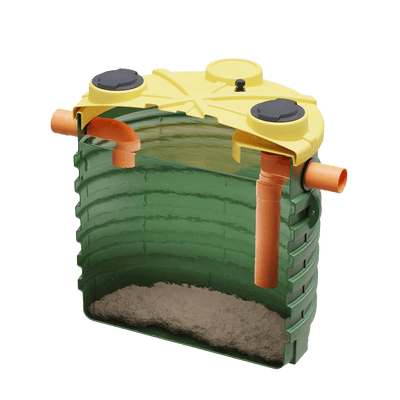
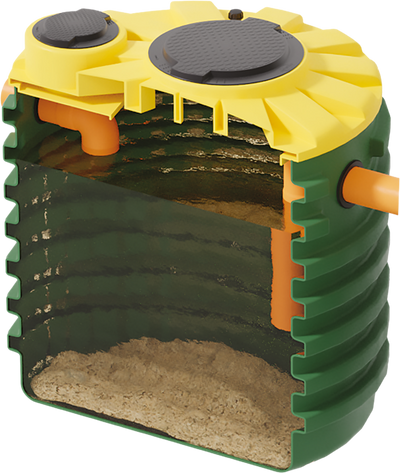
The grit separator retains sand and gravel present in rainwater or in the runoff from yards. The grease separator removes oils and fats from greywater, such as from kitchens or washing. For the grease separator, the reference standard is EN 1825-1. Check the standard indicated in the datasheet of each product. Both require regular maintenance to empty the sludge and maintain efficiency.
Which first-flush or water treatment systems do I need for yard runoff?
A first-flush system collects the first runoff, the dirtiest, and separates it from the rest. Treatment plants treat greywater or blackwater before discharge. When choosing a system, consider the area to be drained, the type of discharge permitted and local regulations. The design should be validated by a technician, and regular maintenance is essential to keep it efficient.
How does a float switch for pumping stations with an alarm work?
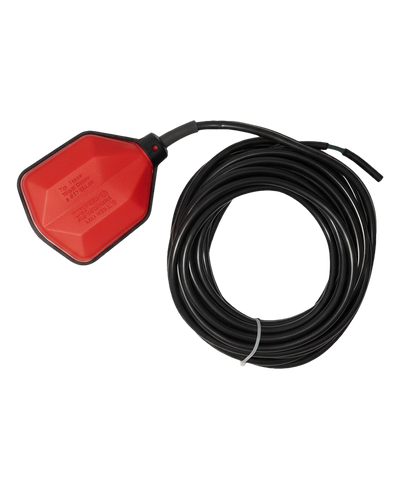
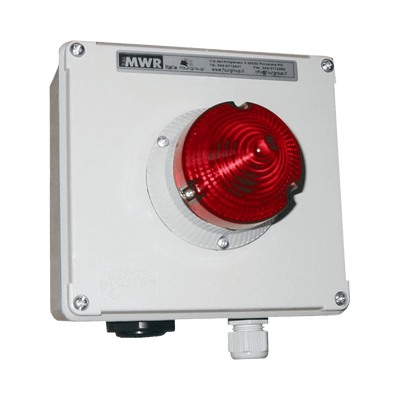
The float switch controls the level of a tank or a sump by switching the pump on or off. The cable must be of a length suited to the depth to be monitored. The audible and visual alarm signals when the level exceeds the threshold, so you can intervene in time. Install them in a position clear of obstacles and check that they work at regular intervals.
Which non-return (anti-flood) valves and chambers do I need to protect drains from flooding?
The non-return (anti-flood) valve prevents sewer water from rising back into a building's drainage system. The overflow chamber diverts the excess flow when the network is full, while monobloc polypropylene chambers make installation easier. Choose the diameter and the type of installation according to the hydraulic design. Periodic inspection of the valves prevents debris from blocking their closure.