
 In your quote
In compare
Furniture Handles
53 products
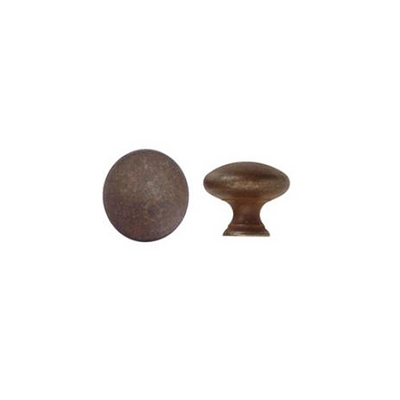
Furniture handles include the elements that allow doors and drawers to be opened and closed and complete their appearance: handles, knobs, escutcheons for locks and accessories. Many items in this collection have an antique finish.
What you will find in this collection
- Handles, including those with a plate.
- Ring handles and knobs.
- Escutcheons for locks, including antique finishes.
How to choose
It is advisable to check the centre distance between the holes and the thickness of the door or drawer, as well as the finish (brass, antique, burnished) so as to coordinate all the elements of the furniture. To replace an existing handle, it helps to measure the distance between the fixing holes.
AMES works by quotation: tell us the model and quantity and we will suggest the suitable items.
Active filters:
Products in this collection
In your quote
In compare
 In your quote
In compare
 In your quote
In compare
 In your quote
In compare
 In your quote
In compare
 In your quote
In compare
 In your quote
In compare
 In your quote
In compare
 In your quote
In compare
 In your quote
In compare
 In your quote
In compare
 In your quote
In compare
 In your quote
In compare
 In your quote
In compare
 In your quote
In compare
 In your quote
In compare
 In your quote
In compare
 In your quote
In compare
 In your quote
In compare
 In your quote
In compare
 In your quote
In compare
 In your quote
In compare
 In your quote
In compare
 In your quote
In compare
Frequently asked questions: Furniture Handles
What are knobs and handles for furniture used for?
Knobs and handles let you open and close doors and drawers without putting strain on the wood. Besides the practical function, they complete the look of the piece of furniture, so the choice of model and finish affects the final result. In the collection you will find single knobs, handles and pendant pulls, to match the other furnishing elements.
What is the difference between a knob and a handle for furniture?
A knob is a compact element fixed to the centre of the door or drawer with a threaded stem, suited to small surfaces. A handle has two fixing points set apart, known as the hole centres (the centre-to-centre distance), and is gripped with the whole hand, so it is more comfortable on wide drawers and large doors. The catalogue has both forms, such as the furniture handles item 3000 and the furniture knobs item 300.
Which finish should I choose for knobs and handles on wooden furniture?
Choose the finish so that knobs, handles and backplates coordinate with the other furnishing elements. Antiqued finishes, such as the smooth antique-finish knob or the antique-finish knob with rim, go well with warm woods and furniture of a classic character. Antique iron and brass give a different tone, darker or lighter. It is best to use a single finish throughout the room.
What types of furniture knob are in the catalogue?
The catalogue includes knobs in antiqued metal, such as the Florence antique-finish knob, in antique iron, in wood, such as the wooden furniture knobs item 279, and in decorated ceramic, such as the decorated ceramic knob item 40. There are also solid knurled knobs and knobs with a rim. For each model, check the material and dimensions in the product sheet.
How do you measure the hole centres to replace a drawer handle?
The hole centre distance is the distance between the centres of the handle's two fixing holes. Measure it from centre to centre with a tape measure or calliper, then compare it with that of the new handle before buying it. Also check the thickness of the drawer or door, because the screws must be the right length to grip without protruding through the front face.
What is the backplate under a knob for?
The backplate is a decorative plate fitted under the knob. It covers the hole already in the door or drawer, so it is useful when the hole is irregular or when you want a more finished look. The catalogue includes the knob backplate item B 985 PL. Before buying, check that the knob's hole is compatible with the plate and with the stem you want to fit.
When should you choose a pendant pull instead of a knob?
A pendant pull is a drop-shaped element that is gripped from above or from the side. It is often preferred on larger drawers and doors, where a knob would be too small to hold. The catalogue includes the furniture pendant pull item 91 and the Florence pendant pull. Check that there is enough space behind the door for your fingers to pass.
How do you clean an antique finish without damaging it?
To clean antiqued knobs and handles, a soft cloth, dry or just dampened with water, is enough. Avoid abrasive sponges, solvents and aggressive detergents, because they can remove the patina and change the colour of the piece. Dry immediately after washing, especially if the furniture is in a kitchen or a damp room.