
 In your quote
In compare
Grinding Modules and Polishing Chemicals
95 products
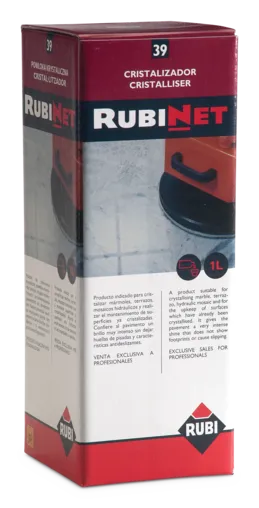
This collection brings together accessories for grinding and polishing: diamond modules for floor grinders, pads, bonnets and polishing cloths, and abrasive pastes for finishing. They are used to prepare and finish floors, stone and other surfaces to the required degree of finish.
What you will find
- Diamond modules and pads for grinding floors with dedicated machines
- Sponge pads and hook-and-loop backing pads to fit on polishers and grinders
- Wool bonnets, sisal and cotton pads for final polishing
- Abrasive pastes and polishing sponges for the finishing stage
- Cloths for dusting and polishing
How to choose
The choice depends on the material to be treated, the machine on which the accessory is fitted (diameter and fitting) and the stage of the work: you start with the more aggressive abrasives for grinding and finish with the softer materials for polishing. Brands included: Sea Technology, Makita, Fervi, Breaker, DeWalt and Milwaukee.
AMES Srl works on a quotation basis: tell us the machine and the material to be treated and we will recommend the right accessories.
Active filters:
Products in this collection
In your quote
In compare
 In your quote
In compare
 In your quote
In compare
 In your quote
In compare
 In your quote
In compare
 In your quote
In compare
 In your quote
In compare
 In your quote
In compare
 In your quote
In compare
 In your quote
In compare
 In your quote
In compare
 In your quote
In compare
 In your quote
In compare
 In your quote
In compare
 In your quote
In compare
 In your quote
In compare
 In your quote
In compare
 In your quote
In compare
 In your quote
In compare
 In your quote
In compare
 In your quote
In compare
 In your quote
In compare
 In your quote
In compare
 In your quote
In compare
Frequently asked questions: Grinding Modules and Polishing Chemicals
What are diamond grinding segments used for when grinding floors?
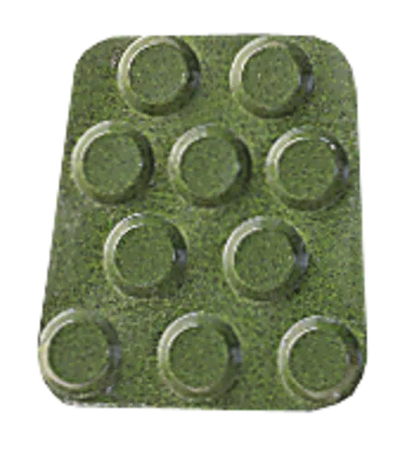
Diamond grinding segments are fitted to floor grinders and are used to level screed, concrete or stone before finishing. The work is done in stages: you start with coarser grits and move to finer grits until the required finish is reached. Each segment must only be used on the machine it is designed for.
Which Grinder segments are in the collection and how do I choose the right one?
The Grinder range includes segments in green, gold, black, yellow, silver and light blue, plus a yellow PCD version. The colour does not indicate the grit: the grit and the working stage are shown on each segment's product page. Choose according to the floor to be treated and the condition of the substrate, starting with a more aggressive segment if the screed is uneven.
Which polishing bonnet should I choose for my polisher?
Wool bonnets differ by diameter, for example 135, 180 or 225 mm, and by fixing, which is hook-and-loop in most cases. The size must match the backing pad of the machine. The Makita lambswool bonnets are intended for the 9227CB and 9237CB models, so check the code before buying. The Fervi conical felt disc has an M14 fitting.
Which abrasive pastes and chemical products are needed for floor polishing?
The chemical cycle includes polishing products such as Sea Stone Lux, hardeners for concrete floors such as Sea Hardner, and protective treatments such as Sea Guard Lithium. Fervi abrasive pastes are used in the finishing stage. Apply each product according to its technical data sheet, observing the dilution ratios and drying times, on a clean floor.
How do you prepare floor cracks before grinding?
The Sea Crack Repair system is used to repair cracks in the floor, so that the surface to be ground becomes uniform again. Before applying it, clean the crack and remove dust and debris. Follow the curing times given by the manufacturer and start grinding only when the repair is completely dry and stable.
How do you polish a floor after grinding?
After grinding, you move on to polishing with sponge pads, sisal or cotton discs and wool bonnets fitted to a polisher or single-disc machine. Wool bonnets and sisal discs are intended for final polishing. Work with regular passes and check the result under raking light before moving on to the next stage.
What precautions are needed when grinding floors with machines and diamond segments?
Grinding produces dust and noise, so a dust mask, safety glasses and ear defenders are needed. Italian Legislative Decree 81/2008 on workplace safety requires dust and noise risks to be assessed before the job. When working wet, use water to cool the segment and reduce dust. Check that the segment is intact and compatible with the maximum speed stated for the machine.