
 In your quote
In compare
Pliers and Pincers
288 products · Hand Tools for Construction
Pliers and pincers are the hand tools for gripping, holding, cutting and bending on site, in the workshop and in building services. This collection brings together models from brands such as Unifix, Pavan, Fervi, Vigor and Milwaukee, for electricians, plumbers, carpenters and bricklayers.
Types available
- Combination pliers and long-nose pliers, for gripping and bending
- Adjustable and self-adjusting pliers, including plumbing pliers
- Diagonal cutters and side cutters
- Circlip pliers for retaining rings
- Wire strippers, cable lug tools and crimping pliers for electrical work
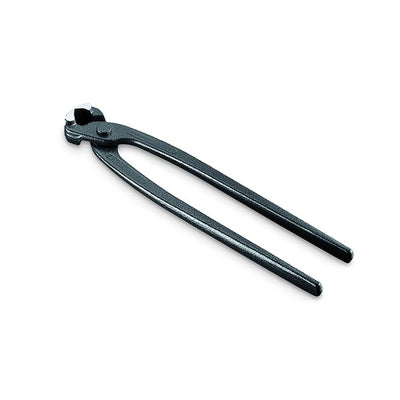
- Cable cutters and pincers for concrete workers and bricklayers
How to choose
Start from the job: gripping, cutting or crimping. Then look at the length and opening capacity, the material of the jaws and the insulation of the handles if you are working near live parts. For everyday use a good-quality steel, such as chrome-vanadium, is worthwhile.
A good pair of pliers can be recognised by the alignment of the jaws, the precision of the cut and the comfort of the handle, which matters on long jobs. It is better to have a few well-chosen pieces for each task than a single pair of pliers for everything.
For sizes, quantities and availability, request a quote from AMES.
Active filters:
Products in this collection
In your quote
In compare
 In your quote
In compare
 In your quote
In compare
 In your quote
In compare
 In your quote
In compare
 In your quote
In compare
 In your quote
In compare
 In your quote
In compare
 In your quote
In compare
 In your quote
In compare
 In your quote
In compare
 In your quote
In compare
 In your quote
In compare
 In your quote
In compare
 In your quote
In compare
 In your quote
In compare
 In your quote
In compare
 In your quote
In compare
 In your quote
In compare
 In your quote
In compare
 In your quote
In compare
 In your quote
In compare
 In your quote
In compare
 In your quote
In compare
Frequently asked questions: Pliers and Pincers
Combination pliers or needle-nose pliers: which to use?
Combination pliers have flat jaws and are used for gripping, bending and clamping wires and tubes in general. Needle-nose pliers have a thin, elongated tip, useful for gripping and bending in tight spaces or on small pieces. The collection includes both, from brands such as Unifix, Pavan, Fervi and Vigor, for electricians, plumbers and carpenters.
Adjustable or self-adjusting pliers: what is the difference?
Adjustable pliers have a pivot that moves to several positions, to grip workpieces of different diameters. Self-adjusting pliers adapt to the shape of the workpiece by themselves. Plumbing pliers, adjustable or self-adjusting, are used on pipes and fittings. Choose according to the type of pipe or nut you need to grip.
Side cutters or end cutters: when should you use each?
Side cutters cut flush along the side of the jaws and are useful for cutting wires and cables in tight side-on spaces. End cutters cut with the tip and are used for precise cuts, including in electronics. The collection includes side cutters, such as the MP041 mini side cutter, and end cutters, such as the 527 electronics end cutter. Choose according to the cut you need to make.
How do you recognise electronics cutters?
Electronics cutters have thin, precise cutting edges, designed to cut wires and terminals without crushing them. The collection includes the 527 electronics end cutter and the 526 electronics diagonal cutter. The diagonal cut leaves the wire end pointed. Choose the size according to the thickness of the wire.
Circlip pliers: what are they for?
Circlip pliers are used to fit and remove retaining rings, such as safety circlips, on shafts and bores, as used in mechanics and repairs. They have tips that enter the holes in the ring to grip it. There are versions for internal and external rings, to be chosen according to the part you are working on.
Wire strippers, cable lugs and crimpers: are they needed for electrical work?
Wire strippers, cable lugs and crimping tools are used to prepare cables and fix terminals onto electric wires. For work on live installations you need insulated tools, marked with their insulation and working voltage. Always check the marking before use and wear the PPE (personal protective equipment) required for electrical work.
Concreter's pliers: what are they for?
Concreter's pliers are robust pliers for cutting iron wire, mesh and ties used in reinforcement work and concrete pours. Bricklayers also use them to cut wire and metal mesh. The collection includes Orbis concreter's pliers and other models. Choose the model according to the diameter of the wire to be cut.
Wire rope cutter: how is it used?
A wire rope cutter cuts steel ropes up to 16 mm in diameter, such as lifting or anchoring ropes. With an unsuitable tool, the rope frays or deforms, so choose a suitable cutter. Place the rope in the jaws of the cutter and cut with one firm movement. Wear gloves and goggles.