
 In your quote
In compare
Waterproofing Products
62 products
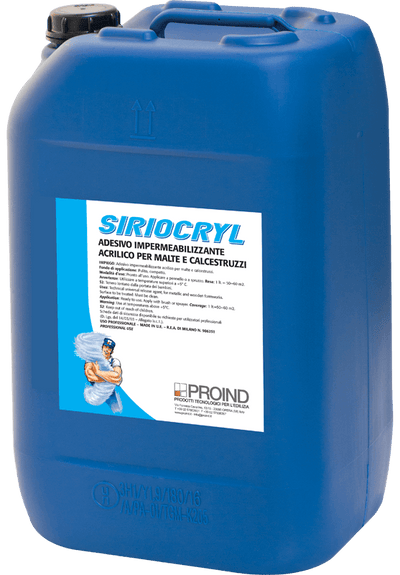
Products for making terraces, balconies, foundations, bathrooms, roofs and masonry waterproof, so as to prevent leaks and damp in structures.
Product types
- Liquid and elastic waterproofers to be applied by brush or roller (Kimia, Edilchimica, Colorificio Adriatico).
- Semi-liquid and paste waterproofers for surfaces and joints (Unifix).
- Bituminous products and bitumen primers (Faren, Unifix).
- Water-repellent waterproofers and protective coatings for masonry and concrete (Proind, Faren, Edilchimica).
How to choose
The substrate to be treated matters (concrete, screed, bitumen, masonry), as does the exposure (walkable terrace, below ground, wall) and whether the surface will be covered or left exposed. Always check the technical data sheet for consumption, drying times and application conditions. For highly absorbent or cracked surfaces a primer or a preliminary treatment may be needed. In the areas most exposed to water, pay careful attention to joints, corners and junctions.
AMES Srl works on a quotation basis: tell us the application, quantities and site timescales, then call us on 051 728529 or write to us for availability, advice on choosing and terms.
Active filters:
Products in this collection
In your quote
In compare
 In your quote
In compare
 In your quote
In compare
 In your quote
In compare
 In your quote
In compare
 In your quote
In compare
 In your quote
In compare
 In your quote
In compare
 In your quote
In compare
Edilchimica
Elastic acrylic liquid waterproofing compound Colorsint 2000 Edilchimica
Code COLORSINT_2000
 In your quote
In compare
 In your quote
In compare
 In your quote
In compare
 In your quote
In compare
 In your quote
In compare
 In your quote
In compare
Progress Profiles
One-component elastic waterproofing membrane Profoil Paste Progress Profiles
Code guaina-elastica-monocomponente
 In your quote
In compare
 In your quote
In compare
 In your quote
In compare
 In your quote
In compare
 In your quote
In compare
 In your quote
In compare
 In your quote
In compare
 In your quote
In compare
Edilchimica
Elastic liquid waterproofing agent SuperelastiK No Fire Edilchimica
Code SUPERELASTIK_NO_FIRE
 In your quote
In compare
Frequently asked questions: Waterproofing Products
Which products waterproof terraces and balconies?
For terraces and balconies, membranes and liquid coatings that form a continuous layer are used, such as Bostik's black liquid waterproofing rubber, Edilchimica's water-based liquid bituminous membrane or Faren's Idro Glove water-based waterproofer. Preparing the substrate matters a great deal: it must be clean and dry. The number of coats and the thickness are given on the product data sheet.
What is the difference between bituminous, bentonite and liquid rubber waterproofers?
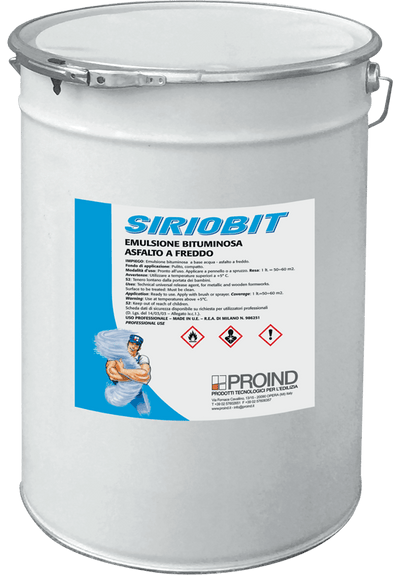
Bituminous products, such as Proind's Siriobit emulsion or the Prymer Black Catramina paint, are bitumen-based. Bentonite waterproofers, such as Proind's Bentogeo Grip, react with water and form a layer that expands. Bostik liquid rubber is an elastic product. The type is chosen according to the substrate, the exposure and the movement of the structure.
How do you seal joints and cracks before waterproofing?
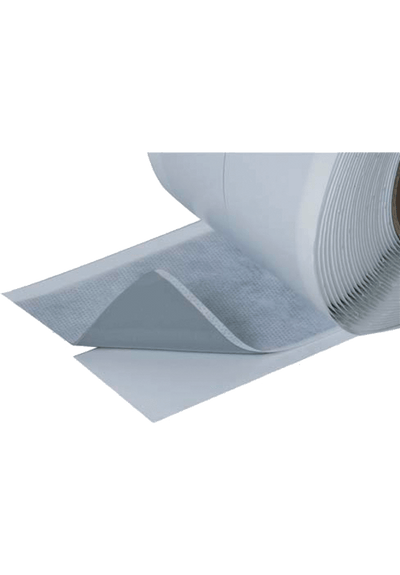
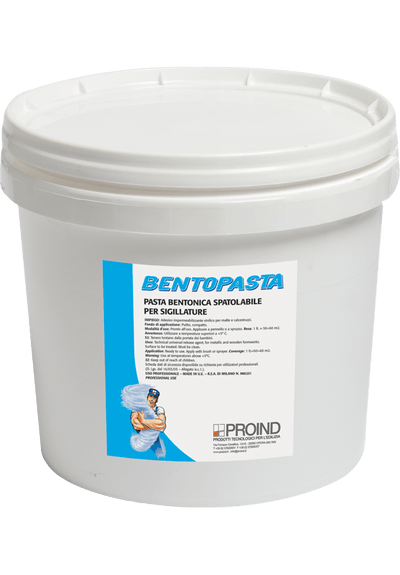
For joints, tapes and sealants are used, such as Proind's Sirioband joint cover tape, made of butyl and non-woven fabric, Bentopasta bentonite paste and the Expander K1 hydro-expansive polyurethane sealant in a 320 ml cartridge. Proind's BT 100 and BT 200 joints serve the same purpose. Clean the joint and follow the sealing and application instructions on the data sheet.
How do you protect masonry from rising damp?
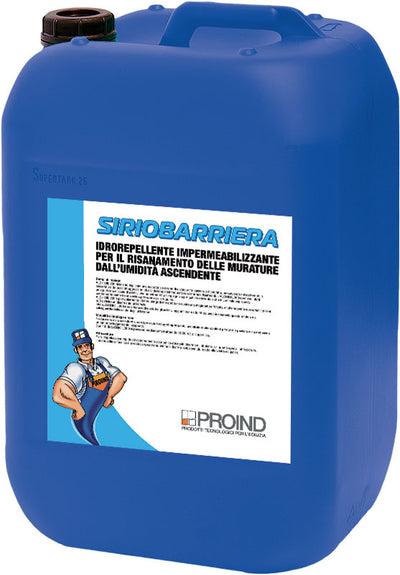
Against rising damp, waterproofing water repellents for masonry are used, such as Proind's Siriobarriera and Siriobarriera WR, which is an impregnating agent. The treatment must be applied according to the product data sheet. First deal with deteriorated plaster and remove salt residues, because the result depends on the quality of the substrate.
Which primer is needed before applying a bituminous product to a substrate?
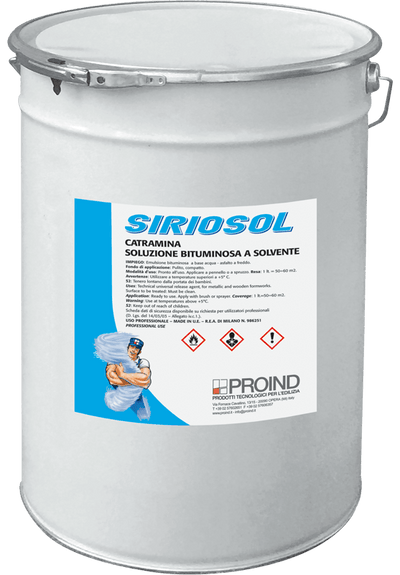
Proind's Siriosol quick-drying solvent-based bituminous primer and Unifix's TecLine bitumen primer prepare the substrate before the bitumen is applied. The primer must be applied to a clean, dry surface. Solvent-based primers are flammable: work with ventilation and keep flames and sparks away until completely dry.
How do you waterproof foundations and below-ground masonry?
For foundations and below-ground masonry, bentonite waterproofers such as Proind's Bentogeo Grip TP and TG are used, or the Bentopol PF or Adeka 2020 waterproofer, also from Proind. The substrate must be cleaned and prepared according to the data sheet, because the continuity of the layer is decisive. The application steps must be followed carefully, with no breaks in the spreading.
Which waterproofing mortar should I use for tanks and bathrooms?
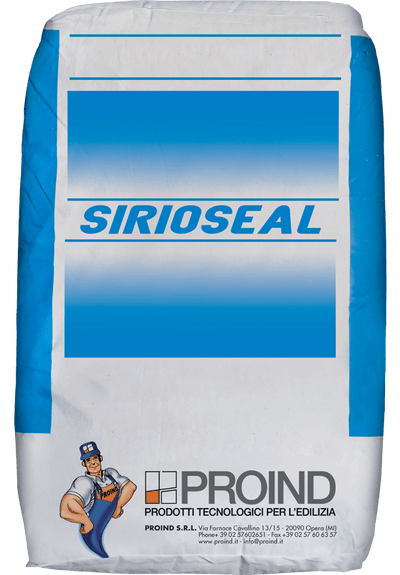
Proind's Sirioseal osmotic cementitious mortar is a waterproofer for mineral substrates, such as tanks and below-ground walls. It must be mixed with water and applied according to the technical data sheet. The choice depends on the substrate and on the presence of standing or pressurised water. For bathrooms, also consider the slope of the floor, because the water must run towards the drain.