
 In your quote
In compare
Chemical Surface Protectors
157 products · Chemical Products for Surfaces and Cleaning
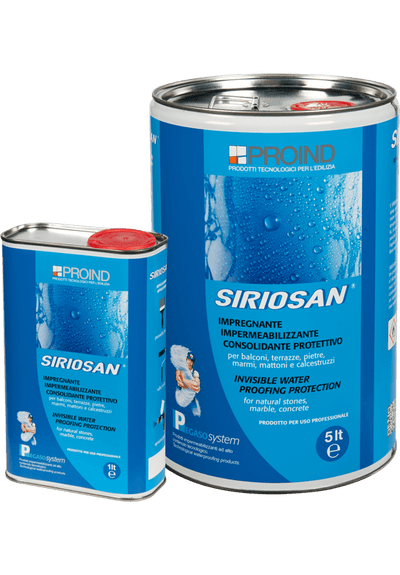
Chemical products for protecting building and industrial surfaces from water, dirt, stains and corrosion: natural stone, marble, terracotta, concrete, wood and metals.
Product types
- Waxes and protectors for stone, terracotta and porous materials (Rubi, Chemical Roadmaster).
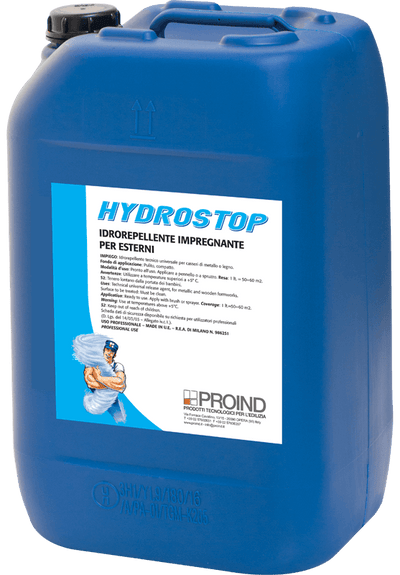
- Water-repellent, oil-repellent and anti-stain products (Faren, Kimia).
- Cleaners and protectors for facades (Kimia).
- Zinc sprays and corrosion inhibitors for iron and metals (NPT Sigill).
- Wood treatments, such as polishes.
How to choose
What counts is the material to be treated (porous, polished, metallic), whether the setting is indoor or outdoor and the final effect wanted: natural, matt or glossy. It is good practice to test the product on a small hidden area before applying it to the whole surface. Clean, dry surfaces ensure a more uniform and longer-lasting result, especially where there is traffic or damp.
AMES Srl works on a quotation basis: tell us the application, quantities and site timescales, then call us on 051 728529 or write to us for availability, advice on choosing and terms.
Active filters:
Products in this collection
In your quote
In compare
 In your quote
In compare
 In your quote
In compare
 In your quote
In compare
 In your quote
In compare
Chemical Roadmaster
Waterproofing agent for fabrics and wood Nautica Water Proof Chemical Roadmaster
 In your quote
In compare
 In your quote
In compare
 In your quote
In compare
 In your quote
In compare
 In your quote
In compare
 In your quote
In compare
 In your quote
In compare
 In your quote
In compare
 In your quote
In compare
 In your quote
In compare
 In your quote
In compare
 In your quote
In compare
 In your quote
In compare
 In your quote
In compare
 In your quote
In compare
 In your quote
In compare
 In your quote
In compare
 In your quote
In compare
 In your quote
In compare
Frequently asked questions: Chemical Surface Protectors
Which protective treatment should you choose for natural stone, terracotta or exterior concrete?
For natural stone, terracotta or exterior concrete, use water-repellent impregnators, which let water run off without forming a film on the surface. Stain-resistant treatments add protection against oil and dirt. Before applying, clean the surface and check that it is dry. Choose a water repellent if water is the main concern, or a stain-resistant treatment if stains matter most.
Which protective product should I use on tile grout?
Grout sealer closes the pores of the grout, so stains, dirt and moisture penetrate less. Apply it to clean, completely dry grout, after the curing time stated on the technical data sheet. In areas exposed to dirt or liquids, such as kitchens and bathrooms, repeat the treatment at the frequency the manufacturer specifies.
Which wax should you choose for parquet and laminate floors?
Waxes for parquet and laminate protect the floor and give a matt, satin or glossy effect depending on the product. Apply them in thin coats, let them dry and buff. On laminate and varnished wood, a liquid wax is preferable. On oiled or oil-treated wood, check that the wax is compatible, to avoid marks.
What are marble polishes and wood polishes for?
Marble polishes shine and protect the stone after cleaning, but on marble and porous stones they should not be used as cleaners. Wood polish revives the finish and softens surface marks. Apply the product to a clean surface with a cloth and buff it. Before using a polish on an antique piece of furniture or a fine stone top, test in a hidden spot.
Which woodworm treatment should I use on wood, and how is it applied?
Woodworm treatments act against the larvae of insects that tunnel through wood. They are applied by spray or brush to clean, dry wood, including hidden areas, and repeated as stated on the label. If the infestation is widespread, a surface treatment is not enough and a more thorough intervention is needed, with a structural check of the piece.
How do you repair scratches on resilient flooring?
For small scratches on vinyl or linoleum floors there are repair kits, such as ScratchFix by Dr. Schutz, with products in the right colour. Clean the area, apply the product in thin coats and let it dry before walking on it. Deep scratches require replacing the plank or tile, as the kit repairs only the surface layer.
What precautions are needed with water repellents and protective sprays?
Water repellents and protectants contain active ingredients that can irritate the eyes and respiratory tract, and spray products must be used with care. Work in a ventilated area, wear gloves and eye protection, and do not spray near people or plants. Prevent the product from reaching drains or soil. Read the label: some exterior protectants specify drying times before contact with water.