
 In your quote
In compare
Personal Protection
477 products
Personal protective equipment (PPE) protects workers from falls, impacts, cuts, noise, dust, heat and physical overload. In the collection you will find protection for the body, head, hands, eyes and airways, for construction sites, workshops and industry.
Product types
- Fall protection: lanyards with energy absorber, retractable fall arresters, anchor points (Irudek).
- Gloves for work and cut protection, with accessories such as glove clips (Portwest, Base Protection).
- Head, face and hearing protection: visors, ear defenders, safety glasses.
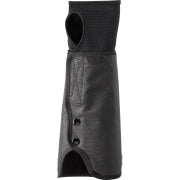
- Body supports: back support belts, wrist supports and exoskeletons (SpanSet, Base Protection).
- Heat protection, such as aluminised overshoes (Neri).
How to choose
Start from the risk to be covered, as set out in the company's risk assessment, then check the size, comfort and compatibility between the different PPE items used together.
AMES Srl works on a quotation basis: tell us the application, the quantities and the site timescales, then call us on 051 728529 or write to us for availability, advice on what to choose and terms.
Active filters:
Products in this collection
In your quote
In compare
 In your quote
In compare
 In your quote
In compare
 In your quote
In compare
 In your quote
In compare
 In your quote
In compare
 In your quote
In compare
 In your quote
In compare
 In your quote
In compare
 In your quote
In compare
 In your quote
In compare
 In your quote
In compare
 In your quote
In compare
 In your quote
In compare
 In your quote
In compare
 In your quote
In compare
 In your quote
In compare
 In your quote
In compare
 In your quote
In compare
 In your quote
In compare
 In your quote
In compare
 In your quote
In compare
 In your quote
In compare
 In your quote
In compare
Frequently asked questions: Personal Protection
What is a DPI?
Personal protective equipment (DPI) is worn or held by the worker to protect them from one or more hazards. In Europe it is governed by Regulation (EU) 2016/425.
What are the categories of DPI?
The regulation divides DPI into three categories: Category I for minimal risks, Category II for intermediate risks, and Category III for serious risks, such as falls from height or exposure to lethal substances. The category determines the type of conformity control the device undergoes.
What is the difference between DPI and DPC?
DPI protect the individual person. DPC, meaning collective protections such as guardrails and nets, protect all workers in an area. D.Lgs. 81/2008 requires giving priority to collective protections and using DPI when risks cannot be eliminated in other ways.
How do you choose a DPI?
Start from the workplace risk assessment: mechanical, chemical, thermal, fall, noise or dust risks. Each DPI bears the CE marking and the reference standard, which states the tests it has passed. The device should be chosen according to the standard, the risk and the size.
Who must provide DPI to workers?
Under D.Lgs. 81/2008 the employer provides DPI, ensures their maintenance and replacement when worn, and provides training on their correct use.
How long do DPI last?
Lifespan depends on the type of DPI and its use. Fall-arrest devices must be replaced after a fall or according to the manufacturer's manual. DPI with an expiry date must be replaced at expiry, even if they look intact.