
 In your quote
In compare
Gaskets and sealing tapes
57 products
This collection brings together the materials that ensure the tightness of threaded fittings and pipework: thread sealing tapes and threads, flat gaskets and O-rings. They are consumables needed in every plumbing and fluid distribution system, on site and in the workshop.
Types in the collection
- PTFE (Teflon) tapes for threads, with versions dedicated to plumbing and gas, from brands such as Panfilm, Neri and Vigor.
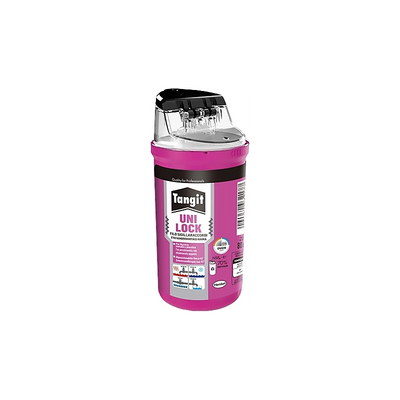
- Sealing thread for threads, in dispensers.
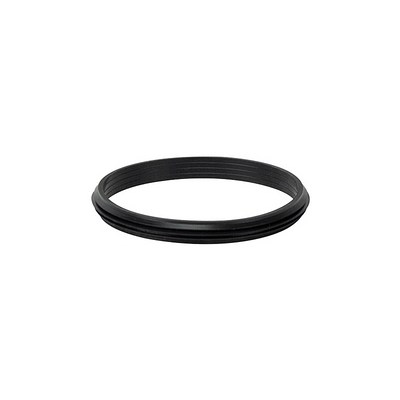
- Flat gaskets in rubber, aluminium and copper, including for high temperatures.
- O-rings and assortments, such as those by Fervi and Unifix, in metric and inch sizes.
How to choose
For tapes, the fluid, water or gas, and the thread size matter. For gaskets and O-rings, diameter, thickness and material matter: the choice depends on the fluid and the operating temperature. If you do not know the exact size, an assortment of O-rings or gaskets is the most practical way to cover several cases.
Tell us the sizes and quantities: we will prepare a quotation.
Active filters:
Products in this collection
In your quote
In compare
 In your quote
In compare
 In your quote
In compare
 In your quote
In compare
 In your quote
In compare
 In your quote
In compare
 In your quote
In compare
 In your quote
In compare
 In your quote
In compare
 In your quote
In compare
 In your quote
In compare
 In your quote
In compare
 In your quote
In compare
 In your quote
In compare
 In your quote
In compare
 In your quote
In compare
 In your quote
In compare
 In your quote
In compare
 In your quote
In compare
 In your quote
In compare
 In your quote
In compare
 In your quote
In compare
 In your quote
In compare
 In your quote
In compare
Frequently asked questions: Gaskets and sealing tapes
Which PTFE tape should I use for threaded plumbing fittings?
To seal threaded fittings, use PTFE tape, known as Teflon tape, wound in the direction of the thread. The collection includes plumbing and gas tapes from brands such as Panfilm, Neri and Vigor, as well as DuPont Teflon tape. Choose the plumbing version for water systems and the dedicated gas version if you work on gas systems.
What is the difference between sealing thread and PTFE tape?
Thread sealing cord, such as Tangit Uni-Lock Rhino, is applied in a spiral on the thread and is designed for metal threads. PTFE tape is wound onto the thread and seals without the need for paste. Viky Plast green paste is instead a spread-on alternative. Choose according to the type of fitting and the system pressure.
Which O-rings do I need for a quick-release coupling?
For quick-release couplings, use O-rings or rubber gaskets specific to the coupling, such as those listed for quick couplings in the collection. The inside diameter and cross-section must be measured on the original part. There are mixed O-ring assortments, such as the 225-piece set, useful for having several sizes to hand.
Which gasket should I choose for high temperatures?
For high temperatures the collection offers silicone rubber gaskets resistant up to 200 °C, such as those for stove pipes, and Viton gaskets. Flat aluminium and copper gaskets are suitable for sealing flanges. Always check the maximum temperature of the fluid and of the material on the technical sheet before fitting the part.
How do I choose a gasket for a fitting or a union?
To choose a gasket you need to measure the fitting: inside diameter, thickness and the material of the seat. The collection includes gaskets for fittings, for unions, semi-perforated rubber ones and ones for hoses. Bring the old part as a sample, because sizes that seem identical can differ by a few tenths of a millimetre.
Which gasket should I use for stove pipes or for connecting a stove?
For stove pipes the collection offers silicone rubber stove pipe gaskets with 8 and 10 cm diameter, resistant up to 200 °C. The gasket must be replaced when it hardens or crumbles, because it loses its seal. Always check the pipe diameter and the maximum expected temperature before fitting it.
Who uses gaskets and sealing tapes, and where?
Plumbers, heating engineers, fluid system installers, mechanics and maintenance workers use them on site and in the workshop. They are consumables needed every time a fitting, pump or hose is taken apart and refitted, so it is worth keeping a small assortment always to hand.