
 In your quote
In compare
Ventilation Systems, Air Grilles and Vents
190 products · Ventilation and Cooling
This collection brings together equipment for circulating, extracting and cleaning the air in work environments: from portable fans to high-capacity systems, as well as ducts and vents for ventilation. They are used on site, in workshops and in enclosed premises where stale air or dust has to be removed.
Product types in the collection
- Fans: portable cordless or mains-adapter models (Makita) and industrial ventilation systems (Dantherm Group).
- Air purifiers and filters: Kärcher purifiers and replacement filters for air cleaners.
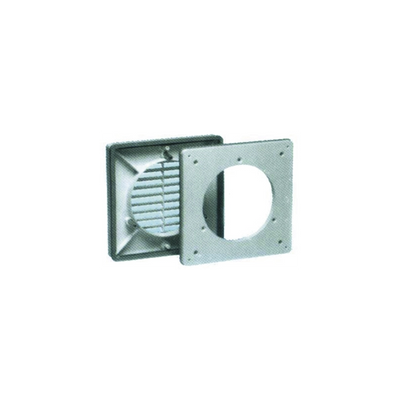
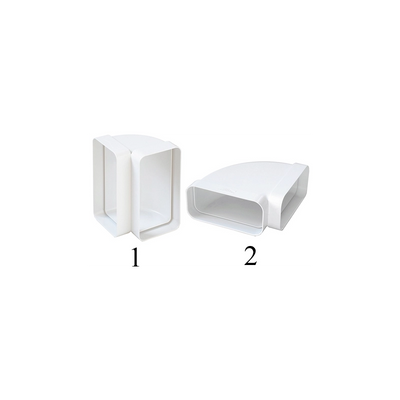
- Ducts and ventilation accessories: articulated and flexible ducts, silencers and vent covers.
- Extractors and vents: wall extractors and wind-driven roof extractors.
How to choose
Start from the volume of the room and the result you want to achieve: air exchange, cooling or dust filtration. Then check the airflow, the power supply (mains or battery) and the diameter of the ducts to be connected.
For quantities, availability and delivery times AMES Srl works on a quotation basis: write to info@amessrl.com or call 051 728529.
Active filters:
Products in this collection
In your quote
In compare
 In your quote
In compare
 In your quote
In compare
 In your quote
In compare
 In your quote
In compare
 In your quote
In compare
 In your quote
In compare
 In your quote
In compare
 In your quote
In compare
 In your quote
In compare
 In your quote
In compare
 In your quote
In compare
 In your quote
In compare
 In your quote
In compare
 In your quote
In compare
 In your quote
In compare
 In your quote
In compare
 In your quote
In compare
 In your quote
In compare
 In your quote
In compare
 In your quote
In compare
 In your quote
In compare
 In your quote
In compare
 In your quote
In compare
Frequently asked questions: Ventilation Systems, Air Grilles and Vents
What are portable fans for sites and workshops used for?
They circulate air in enclosed spaces and sites where natural ventilation is lacking, or help expel fumes and dust. Battery models are useful where there is no power supply, while mains-powered models suit longer jobs. Choose the airflow according to the room volume, and check the power and noise level on the data sheet.
Does an air purifier replace ventilation?
No. The purifier traps dust and particulates with a filter, but it does not replace ventilation where fumes, gases or vapours are produced. Consider the surface of the room, the type of pollutant and how often the filters need replacing. The range includes Kärcher purifiers and replacement filters: use only those specified by the manufacturer.
How is a ventilation grille installed?
A hole sized to the grille is made, then the grille is fixed with springs or screws, depending on the model. Grilles must let air pass without creating unpleasant draughts and without obstructing the free area. Anti-intrusion aluminium grilles or spring-loaded flaps are designed for masonry and walls. Check dimensions and fixing on the data sheet.
Copper or metal grilles: which should I choose?
Copper grilles, such as the GR and GRA series, have a more decorative look and resist corrosion well. Metal or aluminium grilles are cheaper and suit external walls or technical passages. The choice depends on the environment, the aesthetics and the type of wall. For damp rooms or places near the sea, consider more resistant materials.
What standards govern ventilation of workplaces?
Ventilation of workplaces is governed by D.Lgs. 81/2008 (Italian Legislative Decree 81/2008 on workplace safety), which requires environments with healthy and adequate air. Municipal building regulations and requirements on air changes complete the picture. For rooms with combustion appliances, specific rules on flue discharge apply. For ventilation designs, have the calculation checked by a qualified technician.
How is a ventilation duct silencer used?
The silencer is inserted into the duct to reduce the noise that travels along the pipe, without blocking the airflow. It must be fitted in the direction marked on its body, usually by an arrow. On long pipes or pipes with many bends, choose a model with adequate capacity, otherwise the ventilation loses effectiveness.
Rigid PVC or flexible aluminium duct for ventilation: which should I choose?
Rectangular PVC duct is rigid and tidy, suitable for ducting that must stay in line. Flexible aluminium duct adapts to curved routes and is quicker to install, but creates more resistance to airflow. More bends and more length reduce the airflow, so choose the diameter with care.