
 In your quote
In compare
Equipment for Metal Fabricators
9315 products
The metal fabricator works metal to make gates, railings, window frames and locks. In this collection you will find workshop tools, abrasives, hardware and fixings for cutting, drilling, finishing and fitting structures.
What you will find in this collection
- Professional drill bits for metal and plastic, and metal drill bits
- Flap discs, mounted abrasive points, abrasive sheets and pads
- Angle grinders
- Locks, padlocks and security hardware
- Window and door hardware
- Turning, milling and threading tools, rotary burrs
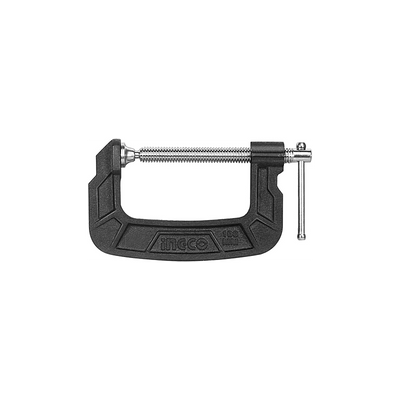
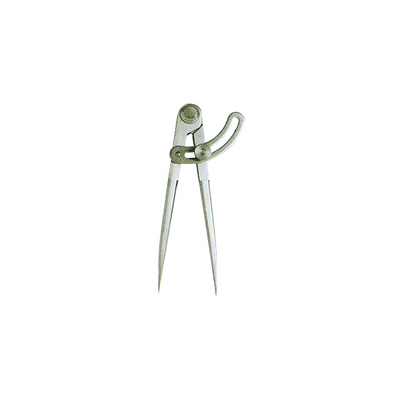
- Workshop bench machines and tools, vices and clamps
- Wall plugs and heavy-duty fixings
How to choose
- Choose drill bits according to the material: steel, stainless steel or thin sheet call for different types.
- For deburring and finishing, match discs and abrasive points to the grinder and the metal being worked.
- For gates and security grilles, use heavy-duty fixings sized for the masonry substrate.
To receive a quote or advice on your choice, write to or call the AMES technicians: they will help you find the right items for your work.
Active filters:
Products in this collection
In your quote
In compare
 In your quote
In compare
 In your quote
In compare
 In your quote
In compare
 In your quote
In compare
 In your quote
In compare
 In your quote
In compare
 In your quote
In compare
 In your quote
In compare
 In your quote
In compare
 In your quote
In compare
 In your quote
In compare
 In your quote
In compare
 In your quote
In compare
 In your quote
In compare
 In your quote
In compare
 In your quote
In compare
 In your quote
In compare
 In your quote
In compare
 In your quote
In compare
 In your quote
In compare
 In your quote
In compare
 In your quote
In compare
Frequently asked questions: Equipment for Metal Fabricators
Which flap discs or abrasive wheels should I choose for metal?
Flap discs, mounted points and abrasive pads are chosen according to the metal and the operation: roughing, finishing or smoothing. Cutting wheels and grinding wheels are not interchangeable, and must only be used for the function shown on the label. The grit indicates the fineness of the abrasive, from the coarsest for heavy work to the finest for finishing. Always use the guard and safety glasses.
Which angle grinder should a blacksmith choose?
Angle grinders are chosen according to the disc diameter, power and power supply. Diameters of 115 and 125 mm are common for cutting and deburring, while 230 mm is for heavier work. Check the maximum speed and that the disc is compatible with the machine. The protective guard must never be removed and should be checked before every use.
How do I choose locks, padlocks and hardware for gates?
Locks, padlocks and security hardware are chosen according to the level of protection desired, the type of leaf and the material of the frame. For gates and railings it is also worth considering resistance to the weather. Hinges must be sized for the weight of the leaf, because an inadequate load causes wear and sagging. Check compatibility with the existing drilling before fitting.
How do I choose plastic-coated wire mesh for fencing?
Plastic-coated wire mesh is chosen according to the height of the fence, the mesh size and the colour. A tighter mesh holds back small animals and reduces visibility through the fence, while a wider mesh lets more air and light through. The plastic coating protects the wire from rust and the elements. Fixing to the posts must be solid and at regular intervals.
Which flood barrier should I choose for windows and doorways?
Flood barriers are chosen according to the opening to be protected, the expected water height and the type of access. Folding aluminium barriers are fitted across a passage, while full closures for windows or doors are fixed to the opening. Check with a technician the protection height needed and the dimensions of the opening before buying. For basement windows there are opaque and transparent versions.
How do I install a cut-to-size flood barrier?
The cut-to-size barrier must be adapted to the width of the opening, measured at several points. Cutting is done with a tool suited to aluminium, and the edges must be deburred to avoid injuries. Fixing must be done at the points provided by the system, without compromising the seal. Before installation, a preliminary check of the opening's structure is advisable.
How do I use a quick-release spreader clamp?
The spreader clamp holds the pieces to be joined or locked in place during assembly or welding. The quick-release mechanism lets you adjust the grip with a few movements. The nylon and fibreglass jaws protect the surface from marks. Check that the opening capacity covers the size of the piece, and do not force beyond the limit stated by the manufacturer.