
 In your quote
In compare
Equipment for Painters and Decorators
2246 products
Painters and decorators prepare surfaces and paint them: they sand, smooth, protect, and apply paints and finishes, including at height. The collection gathers what is needed for these stages, with brands such as Wagner, Colorificio Adriatico, Panfilm, Svelt, Fervi, Makita and DeWalt.
What you will find in this collection
- Painting and treatment tools, brushes
- Misting and spraying systems
- Interior and exterior paints, wood paints and varnishes
- Abrasive sheets, pads and rolls, sandpaper, backing pads for sanders
- Protective sheets and bags
- Dust and gas masks
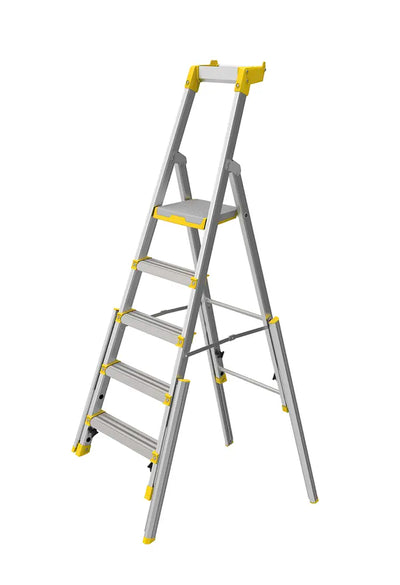
- Professional ladders, step stools and aluminium mobile scaffold towers
How to choose
- Abrasive grit: use coarse grits for rough sanding and fine grits for finishing before painting.
- Brush, roller or spray: spraying is useful on large surfaces, but requires careful protection of the surrounding area.
- Work at height: choose a ladder, step stool or mobile scaffold tower according to the height and duration of the job.
- Protection: use suitable masks when sanding or working with atomised products.
To choose the right models, quantities and compatibility for your work, request a quote: AMES technicians will help you find the right solution.
Active filters:
Products in this collection
In your quote
In compare
 In your quote
In compare
 In your quote
In compare
 In your quote
In compare
 In your quote
In compare
 In your quote
In compare
 In your quote
In compare
 In your quote
In compare
 In your quote
In compare
 In your quote
In compare
 In your quote
In compare
 In your quote
In compare
 In your quote
In compare
 In your quote
In compare
 In your quote
In compare
 In your quote
In compare
 In your quote
In compare
 In your quote
In compare
 In your quote
In compare
 In your quote
In compare
 In your quote
In compare
 In your quote
In compare
 In your quote
In compare
 In your quote
In compare
Frequently asked questions: Equipment for Painters and Decorators
What tools does a house painter need to prepare and paint walls?
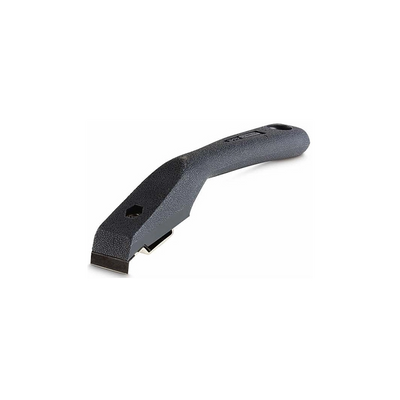
A house painter uses spatulas, scrapers and abrasive paper to prepare the substrate, then brushes, rollers and sheets for painting. For large surfaces there are spray guns and spraying systems. For working at height you need stable ladders and step stools. Dust sheets, tapes and dispensers protect floors and window and door frames. Choose tools according to the surface and the type of paint.
Which ladder should I choose to paint ceilings and high walls safely?
Choose the ladder according to the working height and the type of support. Portable ladders must comply with EN 131, while work at height is regulated by D.Lgs. 81/2008 (the Italian Legislative Decree on workplace safety). The catalogue has aluminium ladders and multi-position ladders with telescopic legs, useful on uneven steps. Do not lean your body out beyond the ladder, and always make sure it rests on stable support.
Which spray gun should I use for paint and varnish on walls?
The spray gun should be chosen according to the type of product and the surface. The 20 V battery model with an 800 ml tank is handy where there is no mains supply. Adjust the pressure and test the spray on a scrap surface before starting, to avoid runs and excess overspray. Protect window and door frames and nearby areas from the paint mist.
Which abrasives do I need for sanding walls before painting?
For sanding, abrasive sheets, pads and rolls are used, chosen according to grit. A coarser grit removes old paint or uneven skim coats, a finer one is for finishing. On wood or plaster, sheets are used by hand, while for large surfaces sanders with Velcro backing pads are used. Wear a dust mask while sanding.
How do I protect floors and window frames during painting?
Eyeleted sheets, protective bags and masking tapes cover floors, furniture and window and door frames during painting. Choose the sheet according to the type of job and the foot traffic expected: the catalogue has green, grey, blue and mesh versions. Secure the sheets with elastic sheet tensioners so they do not lift in the wind. Remove the tape when the paint is touch-dry.
Which masks and protection should I use with paints and solvents?
With solvent-based paints and spray application you need a mask for gases and vapours or dust, with a filter suited to the substance given in the safety data sheet. Dust masks are classified FFP2 or FFP3 under EN 149. Use goggles and solvent-resistant gloves, and work in ventilated areas. The employer must assess the chemical risk before work begins.
Who uses house painter equipment, and for what work?
It is used by house painters, building painters, decorators and maintenance staff who paint interiors and exteriors, renovate flats and offices or refresh facades. It is needed to prepare surfaces, apply paints and finishes and protect rooms. For tall walls or facades, plan access equipment and product drying times in advance.