
 In your quote
In compare
Submersible Wastewater Pumps
20 products
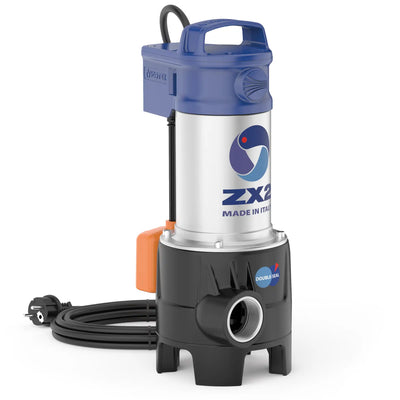
Submersible electric pumps for dirty water are pumps designed to be immersed directly in the water, built to move dirty water containing mud, sand and small solid debris. On site they are used to empty excavations, foundations, manholes and flooded rooms.
Types in this collection
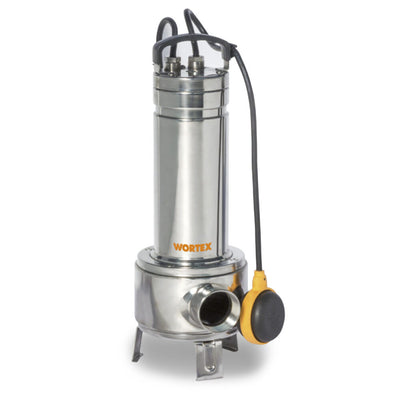
- Stainless steel pumps, robust and suited to frequent use and very dirty water.
- Pumps with a reinforced plastic body, lighter and easier to move.
- Pumps with float switch, which start and stop automatically according to the water level.
The range includes products by Wortex, Kärcher and Annovi Reverberi.
How to choose the electric pump
Consider the flow rate, i.e. the litres moved over time, and the head, i.e. the height to which the pump can lift the water. Check the maximum size of solids the pump can pass and the minimum suction height. Finally, check the cable length and the diameter of the discharge connection.
For a quotation or help with your choice, contact AMES Srl: we will point you to the right solution for your job and tell you what is available.
Active filters:
Products in this collection
In your quote
In compare
 In your quote
In compare
 In your quote
In compare
 In your quote
In compare
 In your quote
In compare
 In your quote
In compare
 In your quote
In compare
 In your quote
In compare
 In your quote
In compare
 In your quote
In compare
 In your quote
In compare
 In your quote
In compare
 In your quote
In compare
 In your quote
In compare
 In your quote
In compare
 In your quote
In compare
 In your quote
In compare
 In your quote
In compare
 In your quote
In compare
 In your quote
In compare
Frequently asked questions: Submersible Wastewater Pumps
What are submersible electric pumps for dirty water used for?
They are used to move dirty water containing mud, sand and small solid debris. They are placed directly in the liquid and are used to empty excavations, foundations, sumps and flooded rooms, on site or during maintenance. They are designed for water that a clean water pump could not handle without clogging or wearing out quickly.
What is the difference between pumps with a stainless steel body and reinforced plastic pumps?
Pumps with a stainless steel body are sturdy and designed for frequent use and very dirty water. Those with a reinforced plastic body are lighter and easy to move by hand, handy for short jobs or for carrying from one point of the site to another. Choose according to the weight you can handle and how dirty the water is.
When is a pump with a float switch better than one without?
A pump with a float switch starts and stops by itself according to the water level, so there is no need to keep switching it on and off. It is useful in sumps and tanks where the water returns cyclically. Without a float switch the pump has to be operated by hand and watched while it works, to stop it running dry when the level drops too far.
Which dirty water electric pump models are in the collection?
There are Wortex pumps, such as the DXG stainless steel, SVS-VA, PROFI-V and PROFI-T series, the GRINDER macerator pump and the JV. Kärcher offers the SP Dirt series in the SP 9.500, 11.000, 16.000 and 22.000 models, also with Level Sensor. There are also a Pedrollo ZXm 2-GM and an Annovi Reverberi ARUP Series 1100XD. Compare flow rate and power on the data sheet of each model.
Can I also use a dirty water pump for clean pool or well water?
Dirty water pumps are designed for liquids containing mud and solids, and the right choice depends on the liquid to be handled. For clean water or for uses other than draining excavations and flooded rooms, check on the technical data sheet whether the model is suitable for that type of liquid. If you are unsure about the water to be pumped, request a quote stating the use.
How do I choose a pump according to the amount of dirt and the type of excavation?
First assess what is in the water: if it contains a lot of mud, sand or debris, look at models with a sturdy body or with a macerator. Then consider the depth you are pumping from and the amount of water to be moved, comparing the flow rate and head figures on the data sheets. For excavations and foundations, where the level rises and falls, a pump with a float switch is often the most practical choice.
How do I use a submersible pump safely on a construction site?
Keep the electric cable lifted out of the water and connect the pump to a socket protected by a residual current device (RCD), as required on construction sites. Do not touch the pump with your hands in the water while it is powered. Check that it is submerged at least to the minimum level shown on the data sheet, to stop it running dry and being damaged.