
 In your quote
In compare
Professional Acrylic, PU, MS Polymer and Bituminous Sealants
252 products · Professional Acrylic, PU, MS Polymer and Bituminous Sealants
Sealants are used to close joints and gaps, to ensure watertightness and airtightness and, in some cases, to bond. In this collection you will find acrylic, silicone, polyurethane, MS Polymer and bituminous sealants, together with liquid gaskets, mounting adhesives and primers, from brands such as NPT Sigill, Unifix, Fischer, Faren, Vigor, Kimia and Carver.
Types in the collection
- Silicones, including neutral-cure, for window frames and sanitaryware.
- Acrylic sealants for joints and connections.
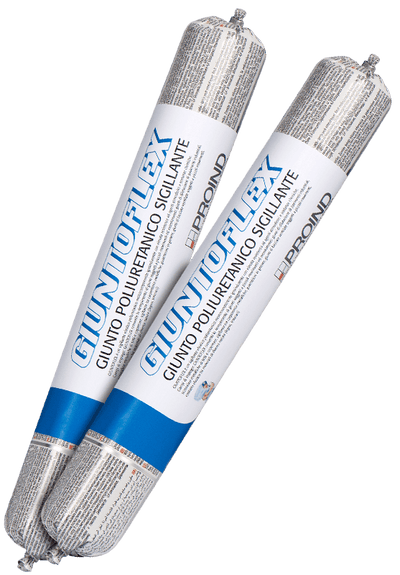
- PU and MS Polymer sealants for joints subject to movement.
- Bituminous sealants for roofing.
- Liquid gaskets and anaerobic sealants for threads and flanges.
- Mounting adhesives and adhesion primers.
How to choose
Consider the substrate to be treated, exposure to moisture, temperature swings and UV rays, the expected movement of the joint and whether the sealant can be painted over. Before use, read the technical data sheet and, if necessary, use the recommended primer.
AMES works on a quotation basis: not all items are available for immediate delivery. If you are unsure about your choice, tell us the material, substrate and quantity: we will reply with the alternatives available. For a made-to-measure supply, write to us or call us and we will help you prepare the quotation.
Active filters:
Products in this collection
In your quote
In compare
 In your quote
In compare
NPT Sigill
Bituminous adhesive sealant Sigill Bitum Gasket 300 ml NPT Sigill
Code bitum-gasket-adesivo
 In your quote
In compare
Progress Profiles
Sealant Proband Fix for balconies and terraces Progress Profiles
Code sigillante-monocomponente-imp
 In your quote
In compare
Progress Profiles
One-component waterproof sealant Proband Fix in 290 ml cartridge Progress Profiles
Code 172
 In your quote
In compare
 In your quote
In compare
 In your quote
In compare
NPT Sigill
Anaerobic sealant for plumbing and natural gas Sigill Block NPT Sigill
Code block-idraulica-gas-metano
 In your quote
In compare
 In your quote
In compare
 In your quote
In compare
 In your quote
In compare
 In your quote
In compare
 In your quote
In compare
 In your quote
In compare
 In your quote
In compare
 In your quote
In compare
 In your quote
In compare
 In your quote
In compare
 In your quote
In compare
 In your quote
In compare
 In your quote
In compare
 In your quote
In compare
NPT Sigill
Green sealant for mating surfaces and flanges Block NPT Sigill
Code block-sigillante-verde
 In your quote
In compare
 In your quote
In compare
Frequently asked questions: Professional Acrylic, PU, MS Polymer and Bituminous Sealants
Which sealant should you use for window frames and glass?
For window frames and glass use neutral silicones, which do not attack materials and bond well to glass, aluminium and most building materials. Acetic silicone releases acetic acid as it cures, so it should be used on surfaces that are not affected by it, such as ceramic and glass, but not on marble or sensitive metals. For joints that move a lot, consider a PU or MS Polymer sealant.
Which silicone should you choose for bathrooms, kitchens and sanitaryware?
For bathrooms, kitchens and sanitaryware, use a silicone designed for wet areas, with good resistance to mould and condensation. Acetic silicones for bathrooms have a pungent smell while curing, but are suitable for ceramic and glass. Before applying, clean the joint and remove the old silicone. On surfaces such as marble or stone, check that the product is compatible.
Which acrylic sealant should you use for joints that will be painted?
Acrylic sealants can be painted and are used for interior joints between wall and frame, cornices or joints under little stress. They do not cope well with continuous water or strong joint movement. Painters' sealant, such as those in the catalogue, is designed to be finished with paint. Before painting, wait for the stated curing time, otherwise the paint will not adhere well.
When should you choose a PU or MS Polymer sealant for joints in movement?
Polyurethane and MS Polymer sealants are elastic and paintable, suited to joints that expand and contract, such as those between panels or between different materials. Polyurethane should be painted only after full curing. On joints subject to movement, respect the width and depth stated by the manufacturer, and use a backing rod that limits adhesion to the base.
Which bituminous sealant should you use for roofs and roof flashings?
For roofs, roof flashings and joints exposed to water, use bituminous sealants, which adhere to metal and cementitious surfaces and resist moisture. They are often dark and not very attractive, so use them where they are not visible. Before applying, clean the surface of dust and moisture and respect the minimum application temperature stated on the data sheet.
Which heat-resistant sealant should you use for stoves and fireplaces?
For stove and fireplace seals, use heat-resistant sealants, which do not deteriorate with heat. Not all silicones withstand high temperatures: check the maximum temperature stated on the data sheet. For closing flue pipes, check the suitability of the installation and local regulations, as the sealant alone does not replace the required checks.
Which standards apply to sealants for construction?
For construction sealants the EN 15651 series applies, which covers products for non-structural use in buildings, with tests for elasticity and adhesion. On the data sheet look for the CE marking and the declared class, especially for façades and window frames. If the sealant is used on water systems, check that it is marked as suitable for drinking water.