IrudekRescue descender BOREAS HUB Irudek
Lower a person stranded at height safely to the ground, protecting them from falling.

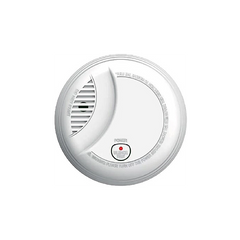
Gas/methane/LPG detector. Key specifications: regulations EN 50194-1, EN 50194-2.
The room detector is a device with a sensor and siren that signals the presence in the room of dangerous gases, such as carbon monoxide, methane or LPG.
Used for installing building services and plant, for inspecting plant, pipework and structures and for heating homes and small premises.
Install it following the instructions, in the position suited to the gas to be detected: methane rises and is sought high up, LPG sinks and is sought low down. Power it as indicated by the manufacturer and test it periodically with the test button. In the event of an alarm, ventilate, avoid flames and switches, and leave the room.
Designed for plumbers, health and safety officers and heating and plumbing engineers.
Tell us the quantities you need and the intended use: if there is a more suitable version, or an equivalent available sooner, we will let you know.
For prices and availability, request a quote from AMES Srl: we will reply with our quotation, delivery times and, where needed, an equivalent technical alternative.
| Item code | 230.208.60700 |
|---|---|
| Regulations | EN 50194-1, EN 50194-2 |
Everything you need in one place, from functionality to safety.
Lower a person stranded at height safely to the ground, protecting them from falling.
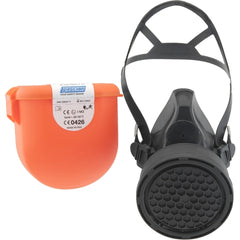
Protect breathing from dust, gases and vapours, including in oxygen-deficient atmospheres.
Protect the airways from dust, fumes, gases and vapours during work.
Protect against falls from height by supporting the body during work at height.
We use essential cookies to make the site work, and, only with your consent, analytics and marketing cookies to understand how it is used and to offer you relevant content. You can change your mind at any time. Read the privacy policy
For purchasing offices and MRO buyers
Search by task
Thank you! Your request has reached one of our buyers: we'll reply within 24 working hours with the quote or with any questions needed to complete it.